
How long does damp proofing last? It’s something many homeowners and renters start wondering the moment damp patches or musty smells appear.
The truth is, damp proofing longevity depends on a few things: what method was used, how it was installed, and how the home is looked after.
In this quick guide, we’ll cover typical lifespans for the most common methods, early signs your system might be failing, and how to get more years out of what you’ve already got. We’ll also explain why acting early and choosing the right expert can save you a lot of time, stress and money later on.
Factors That Affect the Longevity of Damp Proofing
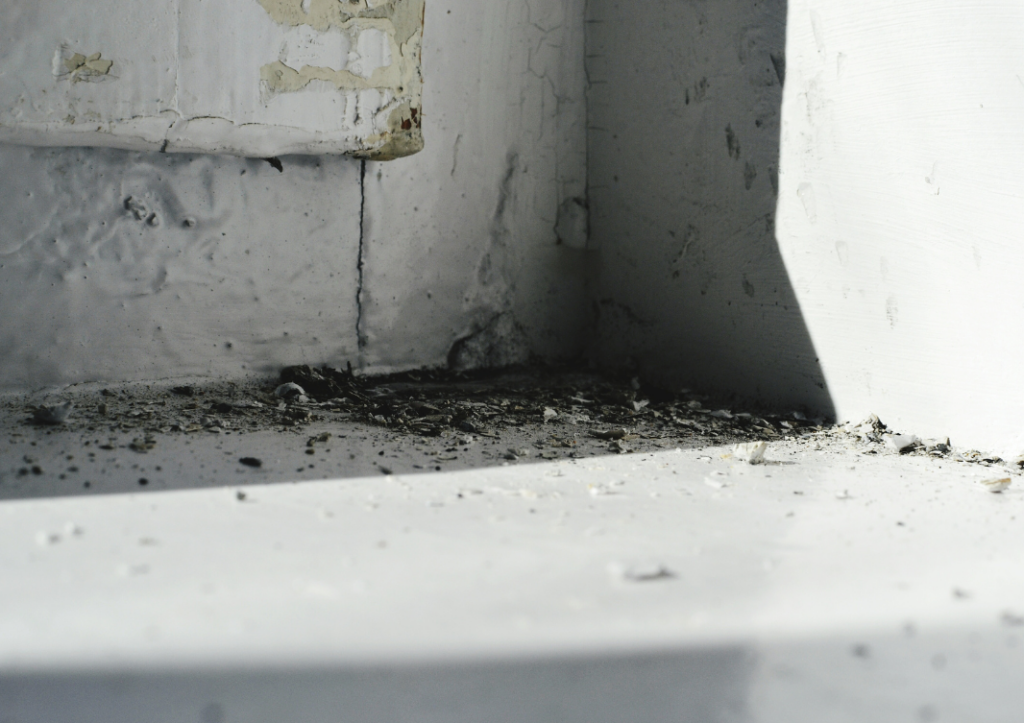
So, damp proofing longevity isn’t just a case of ticking a box and forgetting about it. In reality, how long it lasts, whether it’s a damp proof course or membrane, often depends on a mix of what your home’s made of, how it’s been looked after, and what’s going on around it. Here’s what tends to make the biggest difference:
- Installation quality – If the job wasn’t done properly the first time, it might not last as long as expected.
- Type of materials – Some chemical damp proof courses wear down quicker than others, especially cheaper or outdated ones.
- Weather exposure – Homes in coastal areas or places with heavy rainfall typically put more strain on damp proofing.
- Existing structural issues – Cracks in brickwork or ongoing leaks often speed up failure.
- Previous damp damage – If problems ran deep, expect reapplication sooner than average.
Types of Damp Proofing Methods and Their Durability
Chemical Damp Proof Course (DPC)
One of the most common methods in UK homes, a chemical DPC usually lasts 20 to 30 years. It works by creating a water-repelling layer inside your walls. Still, if poorly installed or made with weaker materials, the damp proof course’s lifespan could be much shorter.
Damp Proof Membrane (DPM)
This is a physical sheet, often laid under flooring or behind walls. A well-fitted membrane, especially high-density polyethene, can last 20 to 50 years. The damp-proof membrane’s lifespan depends heavily on whether it stays intact and protected from damage.
Electro-Osmotic Systems
These systems are less common but can last decades, sometimes indefinitely, if maintained. They redirect moisture using small electrical charges, with minimal disruption to your property.
Durability Ranges
Some methods only last 10 years, while others exceed 50. Ultimately, extending damp proofing life comes down to installation quality, regular checks, and how well your home handles moisture over time.
Signs That Your Damp Proofing Needs Replacing

It’s not always obvious straight away, but over time, a failing damp barrier tends to make itself known, often in ways you can see, smell or feel. If you’re wondering whether yours is still doing its job, keep an eye out for these tell-tale signs of damp proofing failure:
- Peeling paint or wallpaper – Often caused by moisture building up behind the surface.
- Mould patches or musty smells – A clear sign that damp is finding a way through.
- Tide marks or salt stains – These appear along skirting boards or walls as water travels upwards and then evaporates.
- Crumbling plaster or soft walls – Especially if it feels damp to the touch.
- Cold, damp floors – Particularly if you had a damp proof membrane installed under flooring.
Spotted any of the above? That’s probably your home telling you it’s time for action.
How Often Should Damp Proofing Be Inspected?
There’s no exact rule, but most properties benefit from a basic visual check once a year, especially before or after the wetter seasons. You don’t need to go digging into walls, but spotting early issues like flaky plaster, white salt marks or damp patches can make a big difference.
For added peace of mind, arranging a professional review every 5 to 10 years is a smart move, particularly if your home is older or in a high-risk area. Staying on top of your damp proofing inspection frequency helps you avoid long-term damage and keeps repair costs lower. The earlier you catch it, the easier it is to sort.
If you’re unsure what to look for, check out the benefits of having a damp survey; it’s a great place to start.
Maintenance Tips to Extend the Life of Damp Proofing
Even the best damp proofing won’t last forever, but a bit of simple upkeep can go a long way in extending damp proofing life. Here are a few things worth staying on top of:
- Ventilation matters – Use extractor fans in kitchens and bathrooms, and open windows when possible to reduce condensation.
- Keep gutters and downpipes clear – Blockages can lead to water overflow, soaking external walls.
- Fix leaks quickly – Whether it’s a dripping tap or a broken roof tile, any excess moisture speeds up damp problems.
- Check exterior brickwork – Cracks or eroded mortar can let water in where it’s not wanted.
- Professional top-ups – A damp specialist can spot early signs and carry out remedial injections where needed.
A little maintenance now often saves a lot of hassle (and money) later.
Costs Involved in Reapplying Damp Proofing
Prices vary quite a bit depending on your property’s size, the method used, and how bad the damp issue is. In general, the cost of reapplying damp proofing ranges from £300 to £5,000. That might sound steep at the higher end, but it usually covers extensive treatment, including internal plastering and external waterproofing if needed.
In many cases, catching the issue early and doing minor repairs is far more affordable. That’s why regular checks and light maintenance often end up being the most cost-effective choice. Chemical DPC reapplication tends to sit at the lower end of the range, while membrane replacement or full structural work pushes it higher. Either way, it’s worth getting professional input before committing to anything.
So, how long does damp proofing last? Well, depending on the method, materials and maintenance, you’re typically looking at 20 to 50 years, sometimes longer. But like most things in a home, it won’t just look after itself. Staying alert to signs of damp proofing failure, getting regular inspections, and acting early all help avoid bigger problems and higher costs later on.
Whether you’re living with visible damp or simply want peace of mind, it’s always worth getting advice from someone who knows what they’re doing. At Home Energy Save GB, we’ll talk you through your options clearly, no pressure, no upselling. Just honest guidance that works for your property.
Need help? Contact us today at Home Energy Save, and we’ll be happy to talk it through with one of our team.
