
Penetrating Damp Services
At Home Energy Save GB, we carry out thorough investigations to identify the source of water ingress and provide targeted remedial solutions in line with British Standards, protecting your property from further deterioration and restoring a dry, healthy living environment.
WHY CHOOSE US?
- Experienced & Qualified Local Surveyors
- 40+ Years Experience
- KIWA Accredited
- 5 Star Google Reviews
- 25 Year Guarantee On All Services
Book your FREE Comprehensive Damp Survey now or call us on 0800 065 4044 to take the first step towards a drier and healthier home.
Book Your FREE Survey Here
Our Accreditations and Sponsors


Customer Reviews
EXCELLENTTrustindex verifies that the original source of the review is Google. Very happy with the service, the guys were very helpful. Did a good job and all sorted in one day. Very happy.Posted on GoogleTrustindex verifies that the original source of the review is Google. Josh & Tom arrived on time, explained everything in detail as they walked me around the property. They carried out a great Job & cleaned & tidied afterwards. Both friendly & polite lads. Would definitely recommend.Posted on GoogleTrustindex verifies that the original source of the review is Google. The whole process of dealing with this company, has been seemless everything was handled professionally, John who came to do the actual work did a very professional job, everything left neat and tidy, and all the process explained as the job progressed. Very pleased and satisfied with the end result.Posted on GoogleTrustindex verifies that the original source of the review is Google. Had Joel and Dylan from Home Energy Save GB. Very friendly professional and efficient. Completed a very dirty job in very warm conditions very well. Would definitely recommend.Posted on GoogleTrustindex verifies that the original source of the review is Google. Ellick came out today and did a full house insulation survey. Very efficient, friendly and thorough. Honest free advice provided, would highly recommend them to you.Posted on GoogleTrustindex verifies that the original source of the review is Google. Excellent workers Sean and Evan done a really good job house looks as if they haven't been . Am very pleased. .Posted on GoogleTrustindex verifies that the original source of the review is Google. The inspection went great, was very informative and gave us some things to keep in mind for the future. Thank you Dan for everything.Posted on GoogleTrustindex verifies that the original source of the review is Google. Excellent work by Adam, Ryan and Jake. Very professional and couteous, a great combination to see from these hard working lads.
Signs You Have Penetrating Damp in Your Home
Damp Patches on Walls or Ceilings
You’ll often see irregular, darkened patches that worsen during or after rain. These damp spots show where water is penetrating the building fabric from outside.
Mould Growth
Black, green, or grey mould can appear on affected walls and ceilings. It thrives in areas where moisture builds up over time, causing health concerns and unpleasant smells.
Peeling Paint or Wallpaper
Moisture behind surfaces causes paint to bubble, crack, or peel away. Wallpaper can also lift at the edges or blister, especially near windows, external walls, or roof junctions.
Musty Smell
A persistent, damp, or mouldy odour often accompanies penetrating damp, indicating trapped moisture and poor ventilation within the affected rooms.
Discoloured or Stained Plaster
Water infiltration leaves yellow, brown, or rusty stains on plaster surfaces. The plaster may also soften, crumble, or flake due to prolonged exposure to moisture.

What is Penetrating Damp?
Penetrating damp is caused by water entering a building through external walls or defects in the structure. Unlike rising damp, which travels up from the ground, penetrating damp moves horizontally through walls. It often results from issues like damaged brickwork, cracked render, or porous brickwork.
What is the Penetrating Damp Treatment Process?
Survey and Diagnosis
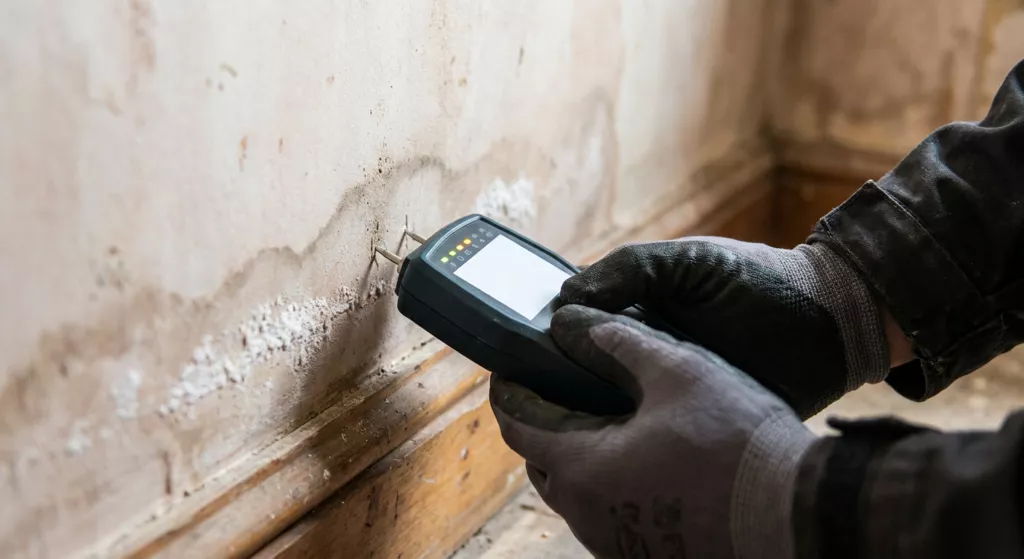
A detailed inspection is carried out to locate the source of moisture and assess how far the damp has spread. This ensures the right treatment is applied.
Repair External Defects
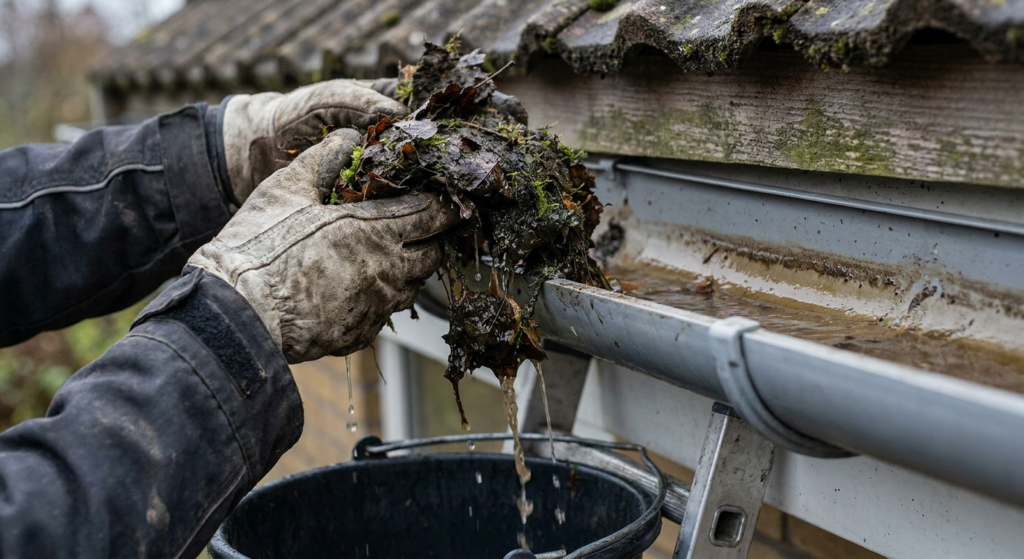
Cracks in brickwork, damaged render, broken gutters, or leaking roofs are repaired to stop water from entering the building.
Apply Protective Coatings
Water-repellent wall coatings will be applied externally to prevent future water ingress and improve long-term protection.
Free Penetrating Damp Survey with Home Energy Save GB
Book your free penetrating damp survey with Home Energy Save GB and receive expert, no-obligation advice. Our skilled surveyors use advanced tools to accurately identify moisture sources and assess the extent of damp penetration.
Whether you’ve noticed damp patches, mould, or musty smells, we provide a clear diagnosis and tailored treatment options. Early detection prevents costly repairs and protects your home’s structure and air quality.

Causes of Penetrating Damp
Penetrating damp happens when water from outside the building manages to get through the walls or roof due to faults or damage in the building’s exterior. Penetrating damp usually results from issues allowing rainwater or moisture to enter directly. Common causes include:
Why You Should Book Professional Penetrating Damp Treatment Services
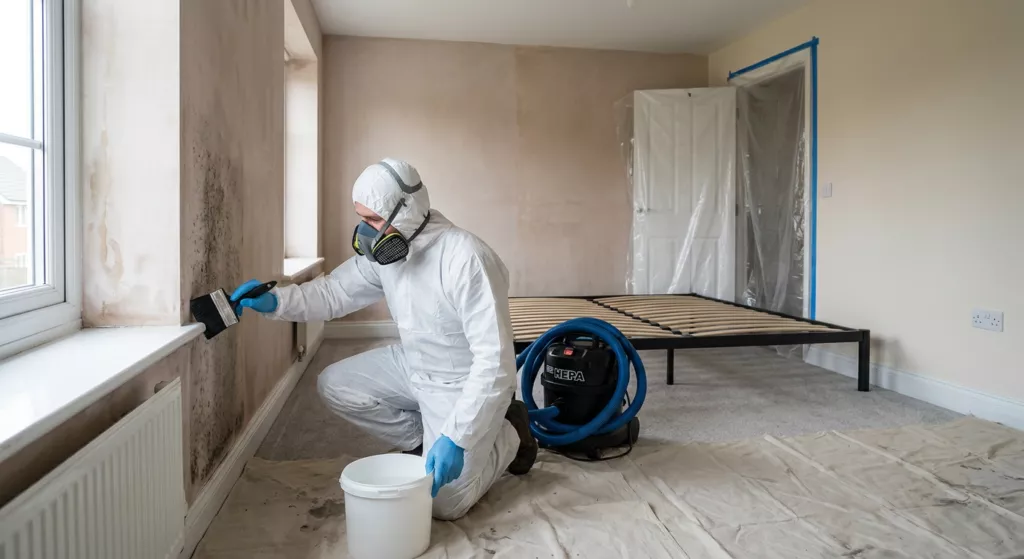
Booking professional penetrating damp treatment services ensures the problem is correctly identified and thoroughly resolved. Experts use specialist equipment to find the exact source of moisture and apply targeted repairs.
DIY fixes often fail to address underlying causes, allowing damp to return and cause further damage. Professional treatment protects your home’s structure, prevents mould growth, and improves indoor air quality. Early intervention by trained specialists saves you money in the long run and provides lasting peace of mind.
Frequently Asked Questions
What is penetrating damp and how does it happen?
Penetrating damp occurs when water enters your home through external walls, roofs, windows, or masonry. It is usually caused by defects such as cracked brickwork, damaged render, leaking gutters, or loose roof tiles. Unlike rising damp, it can appear at any height on a wall. At Home Energy Save GB, we regularly identify penetrating damp through detailed inspections and offer free damp surveys to pinpoint the exact cause.
What are the most common signs of penetrating damp?
Common signs include damp patches on walls or ceilings, peeling paint, bubbling plaster, mould growth, and water staining that worsens after rainfall. You may also notice a musty smell in affected rooms. Because penetrating damp often relates to external defects, symptoms can appear suddenly. Our experienced surveyors at Home Energy Save GB offer free damp surveys to assess these signs and recommend the correct long term solution.
Is penetrating damp worse after heavy rain?
Yes, penetrating damp often becomes more noticeable after prolonged or heavy rainfall. Water enters through external defects and travels through the structure of the building, leading to visible damp patches inside. If you notice damp worsening during wet weather, it is a strong indicator of penetrating damp. Home Energy Save GB provides free damp surveys to help homeowners confirm the cause and prevent further water damage.
Can penetrating damp cause mould in my home?
Penetrating damp creates damp conditions that allow mould to grow, particularly on internal walls and ceilings. This can affect air quality and may cause health concerns if left untreated. Mould linked to penetrating damp usually appears near external walls or roof areas. At Home Energy Save GB, we specialise in identifying moisture sources and offer free damp surveys to help stop mould at its source.
Can penetrating damp affect ceilings as well as walls?
Yes, penetrating damp can affect ceilings, particularly if water is entering through roof defects, chimney stacks, or flashing. Ceiling damp often shows as brown stains, peeling paint, or sagging plaster. These signs should never be ignored. Our surveyors at Home Energy Save GB carry out free damp surveys to locate roof related issues and advise on the most effective remedial work.
Is penetrating damp expensive to fix?
The cost of fixing penetrating damp depends on the cause and how long it has been present. Minor repairs such as repointing or gutter repairs are usually straightforward if caught early. More extensive damage can increase costs. That is why Home Energy Save GB offers free damp surveys, allowing homeowners to understand the problem early and take cost effective action.
Can cracks in render cause penetrating damp?
Yes, cracks or damaged render can allow rainwater to penetrate external walls, leading to internal damp patches. Even small cracks can let in significant moisture over time. Regular inspection of render is important, especially after winter weather. Home Energy Save GB offers free damp surveys to assess external finishes and advise on repairs to prevent further water ingress.
How do I arrange a free damp survey for penetrating damp?
Arranging a free damp survey with Home Energy Save GB is simple. Our experienced surveyors will visit your property, carry out a thorough inspection, and explain what is causing the penetrating damp. You will receive clear, honest advice with no obligation. This allows homeowners to understand the issue fully and take the right steps to protect their home.