
Rising Damp Services
At Home Energy Save GB, we diagnose rising damp accurately and install compliant damp-proofing measures in accordance with British Standards, ensuring long-term protection and a healthier internal environment.
WHY CHOOSE US?
- Experienced & Qualified Local Surveyors
- 40+ Years Experience
- KIWA Accredited
- 5 Star Google Reviews
- 25 Year Guarantee On All Services
Book your FREE Comprehensive Damp Survey now or call us on 0800 065 4044 to take the first step towards a drier and healthier home.
Book Your FREE Survey Here
Our Accreditations and Sponsors


Customer Reviews
EXCELLENTTrustindex verifies that the original source of the review is Google. Very happy with the service, the guys were very helpful. Did a good job and all sorted in one day. Very happy.Posted on GoogleTrustindex verifies that the original source of the review is Google. Josh & Tom arrived on time, explained everything in detail as they walked me around the property. They carried out a great Job & cleaned & tidied afterwards. Both friendly & polite lads. Would definitely recommend.Posted on GoogleTrustindex verifies that the original source of the review is Google. The whole process of dealing with this company, has been seemless everything was handled professionally, John who came to do the actual work did a very professional job, everything left neat and tidy, and all the process explained as the job progressed. Very pleased and satisfied with the end result.Posted on GoogleTrustindex verifies that the original source of the review is Google. Had Joel and Dylan from Home Energy Save GB. Very friendly professional and efficient. Completed a very dirty job in very warm conditions very well. Would definitely recommend.Posted on GoogleTrustindex verifies that the original source of the review is Google. Ellick came out today and did a full house insulation survey. Very efficient, friendly and thorough. Honest free advice provided, would highly recommend them to you.Posted on GoogleTrustindex verifies that the original source of the review is Google. Excellent workers Sean and Evan done a really good job house looks as if they haven't been . Am very pleased. .Posted on GoogleTrustindex verifies that the original source of the review is Google. The inspection went great, was very informative and gave us some things to keep in mind for the future. Thank you Dan for everything.Posted on GoogleTrustindex verifies that the original source of the review is Google. Excellent work by Adam, Ryan and Jake. Very professional and couteous, a great combination to see from these hard working lads.

What is Rising Damp?
Rising damp is a form of moisture that travels upward through walls from ground level due to capillary action. It typically affects older buildings without a proper damp-proof course (DPC) or where the DPC has failed. You might notice signs such as tide marks on walls, peeling paint or wallpaper, and a musty smell.
Over time, rising damp can damage plaster, timber, and decorations, and it can even impact indoor air quality. Addressing rising damp early prevents further structural damage and keeps your home dry, healthy, and protected for the long term.
What is the Rising Damp Treatment Process?
1. Survey and Diagnosis
A thorough damp survey is carried out to confirm rising damp, identify moisture levels, and assess any damage.
2. Remove Affected Materials
Damaged plaster, skirting boards, and any contaminated materials are carefully removed to expose the affected wall areas and prevent further spread.
3. Install Damp-Proof Course (DPC)
A new damp-proof course is installed—usually via chemical injection into the masonry to create a barrier that stops moisture from rising through the wall.
4. Replaster and Restore
The walls are re-rendered with a damp and salt-resistant plaster process.
Signs You Have Rising Damp in Your Home
Tide Marks on Walls
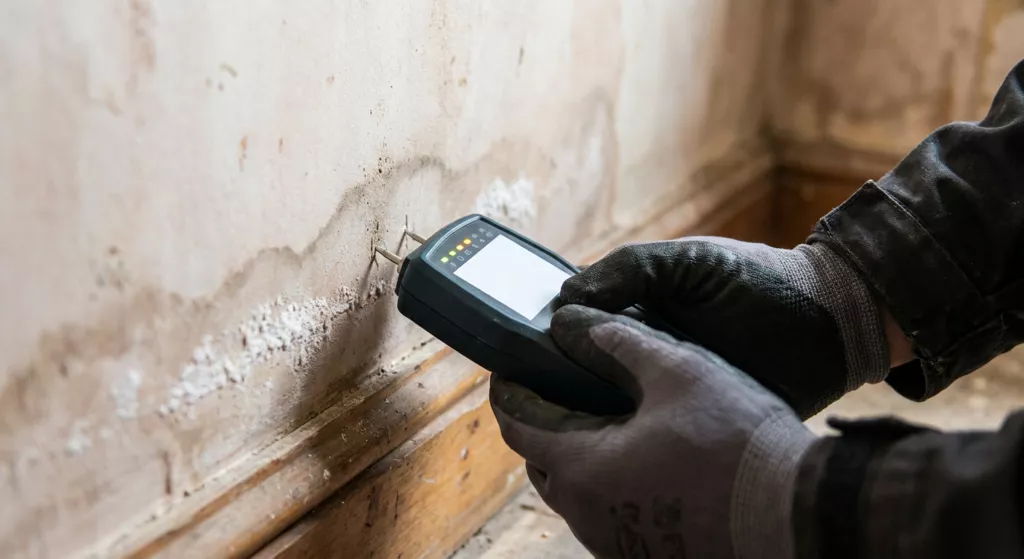
Look for horizontal, discoloured lines or stains, usually up to about one metre from the floor. These are caused by water rising through the wall and depositing salts from the ground.
Peeling Paint or Wallpaper
Moisture behind walls can cause paint to bubble and flake, or wallpaper to lift and curl at the edges. This often starts near the skirting board and works its way upward.
Damp or Musty Smell
A persistent, musty odour, especially noticeable in basements or ground floor rooms, often indicates trapped moisture and poor ventilation associated with rising damp.
Salt Deposits
White, powdery substances may appear on the surface of plaster or brick. These are mineral salts left behind as damp evaporates, a clear sign moisture is travelling through the wall.
Crumbling Plaster or Timber
Plaster may become soft, flaky, or begin to disintegrate, while wooden skirting boards can swell, crack, or rot due to long-term exposure to moisture.
Cold or Damp Wall Patches
Walls affected by rising damp often feel noticeably cooler or damp to the touch compared to surrounding areas. These patches may not dry out, even with heating.
Free Rising Damp Survey with Home Energy Save GB
Book your free rising damp survey with Home Energy Save GB for expert, no-obligation advice. Our qualified surveyors use professional equipment to check for moisture, identify the cause, and recommend the best solution. If you’ve spotted tide marks, peeling paint, or damp smells, we’ll give you a clear diagnosis and explain your options simply.
There’s no pressure or sales pitch. Early detection prevents costly damage, so contact us today to arrange your free survey and protect your home. This is a comprehensive survey, so it will pick up any dampness that is not visible to the naked eye.

Causes of Rising Damp
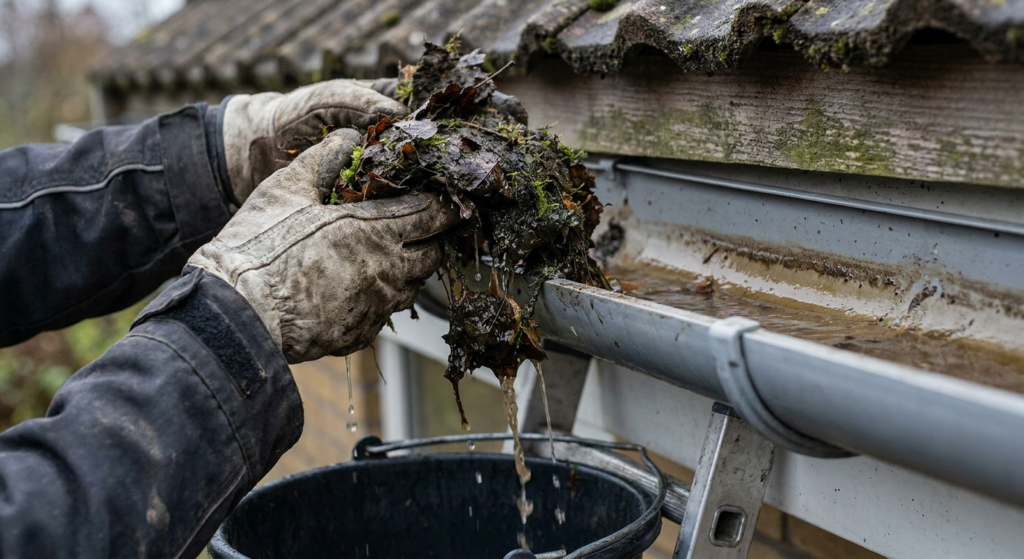
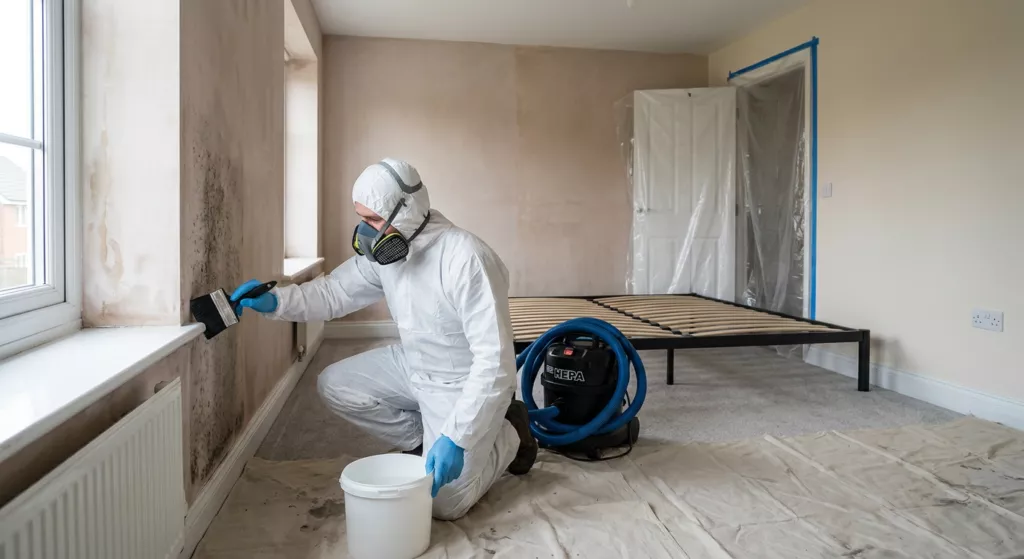
Rising damp happens when moisture from the ground moves upward through walls due to capillary action. It’s most common in older buildings but can affect any property where damp protection has failed. Common causes include:
Why You Should Book Professional Rising Damp Treatment Services
Booking professional rising damp treatment services ensures the problem is accurately diagnosed and effectively resolved. DIY methods often only mask the symptoms, allowing moisture to continue damaging your walls, plaster, and timber. Trained specialists use the right tools and materials to install a reliable damp-proof course and restore affected areas. They also identify any underlying issues, such as poor drainage or bridged DPCs.
Frequently Asked Questions
What exactly is rising damp and why does it happen?
Rising damp is a form of moisture that travels up from the ground through brickwork and masonry by capillary action. It usually occurs when a damp proof course is missing, damaged, or bridged. Older homes are particularly prone to rising damp due to age and construction methods. At Home Energy Save GB, we regularly identify rising damp during our free damp surveys and provide clear advice on the most effective long term solution.
What are the early signs of rising damp in a house?
Common signs of rising damp include tide marks on internal walls, crumbling or blistering plaster, peeling wallpaper, and skirting boards that appear rotten or damaged. You may also notice a musty smell near ground level walls. These symptoms typically worsen over time if left untreated. Home Energy Save GB offers free damp surveys to confirm whether rising damp is present and explain what is causing the issue.
How is rising damp different from condensation or penetrating damp?
Rising damp comes up from the ground, while condensation is caused by excess moisture in the air and penetrating damp enters through walls or roofs. Rising damp usually affects the lower part of walls and produces salt deposits and tide marks. Misdiagnosis is common, which is why a professional assessment matters. At Home Energy Save GB, our free damp surveys are designed to correctly identify the source of moisture before any treatment is recommended.
Is rising damp more common in older properties?
Yes, rising damp is more common in older homes, particularly those built before modern damp proof courses were standard. Some properties may never have had a damp proof course installed, while others have systems that have failed over time. Home Energy Save GB regularly works with homeowners in older properties and uses free damp surveys to assess whether rising damp is present and what remedial work is required.
How do you confirm that rising damp is the real issue?
Proper diagnosis involves inspecting internal walls, checking moisture levels, identifying salt deposits, and examining the condition of the damp proof course. Visual signs alone are not always enough. At Home Energy Save GB, our surveyors carry out free damp surveys that look at the full picture of your property, ensuring rising damp is correctly identified rather than confused with condensation or other moisture problems.
Is rising damp expensive to fix?
The cost of treating rising damp depends on the severity of the problem and the size of the affected area. Early intervention is usually more cost effective than delaying action. A proper diagnosis ensures the correct solution is applied rather than wasting money on temporary fixes. Home Energy Save GB provides free damp surveys so homeowners can understand the issue and potential costs before committing to any work.
How do I book a free rising damp survey?
Booking a free damp survey with Home Energy Save GB is simple. Once arranged, one of our experienced surveyors will visit your home to assess signs of rising damp and identify the underlying cause. You will receive clear, honest advice and a no obligation report outlining recommended next steps. Our goal is to help homeowners resolve rising damp effectively and with complete confidence.