
Dry Rot Services
At Home Energy Save GB, we carry out accurate moisture and timber assessments and implement compliant treatment and ventilation measures in line with British Standards, protecting your property’s structural integrity and preventing future recurrence.
WHY CHOOSE US?
When it comes to dry rot, trust Home Energy Save GB to accurately diagnose the cause and deliver effective, long-term treatment. Our experienced specialists identify the source of excess moisture, eradicate the fungal growth, and implement preventative measures to help protect the structural integrity of your property.
- Experienced & Qualified Local Surveyors
- 40+ Years Experience
- KIWA Accredited
- 5 Star Google Reviews
- 25 Year Guarantee On All Services
Book your FREE dry rot survey today or call us on 0800 065 4044 to take the first step towards protecting your property from structural timber damage and restoring a healthier home.
Book Your FREE Survey Here
Our Accreditations and Sponsors


Customer Reviews
EXCELLENTTrustindex verifies that the original source of the review is Google. Very happy with the service, the guys were very helpful. Did a good job and all sorted in one day. Very happy.Posted on GoogleTrustindex verifies that the original source of the review is Google. Josh & Tom arrived on time, explained everything in detail as they walked me around the property. They carried out a great Job & cleaned & tidied afterwards. Both friendly & polite lads. Would definitely recommend.Posted on GoogleTrustindex verifies that the original source of the review is Google. The whole process of dealing with this company, has been seemless everything was handled professionally, John who came to do the actual work did a very professional job, everything left neat and tidy, and all the process explained as the job progressed. Very pleased and satisfied with the end result.Posted on GoogleTrustindex verifies that the original source of the review is Google. Had Joel and Dylan from Home Energy Save GB. Very friendly professional and efficient. Completed a very dirty job in very warm conditions very well. Would definitely recommend.Posted on GoogleTrustindex verifies that the original source of the review is Google. Ellick came out today and did a full house insulation survey. Very efficient, friendly and thorough. Honest free advice provided, would highly recommend them to you.Posted on GoogleTrustindex verifies that the original source of the review is Google. Excellent workers Sean and Evan done a really good job house looks as if they haven't been . Am very pleased. .Posted on GoogleTrustindex verifies that the original source of the review is Google. The inspection went great, was very informative and gave us some things to keep in mind for the future. Thank you Dan for everything.Posted on GoogleTrustindex verifies that the original source of the review is Google. Excellent work by Adam, Ryan and Jake. Very professional and couteous, a great combination to see from these hard working lads.

What is Dry Rot?
Dry rot is a type of wood decay caused by a fungus that thrives in damp, poorly ventilated conditions. Despite its name, dry rot needs moisture to grow and typically affects timber in hidden areas like behind walls or under floors.
It breaks down the wood’s structure, making it brittle and crumbly, and can spread quickly if left untreated. Signs include a musty smell, cracking timber, and fruiting bodies or spores. At Home Energy Save GB, we identify the source of the moisture, treat the fungus, and repair the damage to protect your home from further structural issues.
What is the Dry Rot Treatment Process?
1. Inspection and Diagnosis
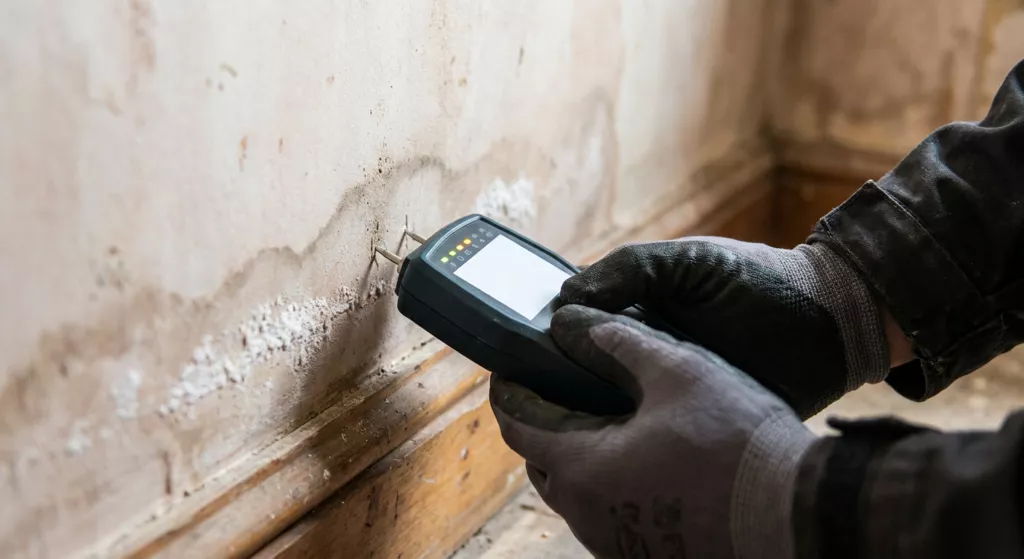
Our specialists inspect affected areas to confirm dry rot, identify moisture sources, and assess the extent of the damage.
2. Remove Damaged Timber
All infected and weakened wood is carefully removed to prevent the spread of the fungus to healthy structural areas.
3. Treat the Area
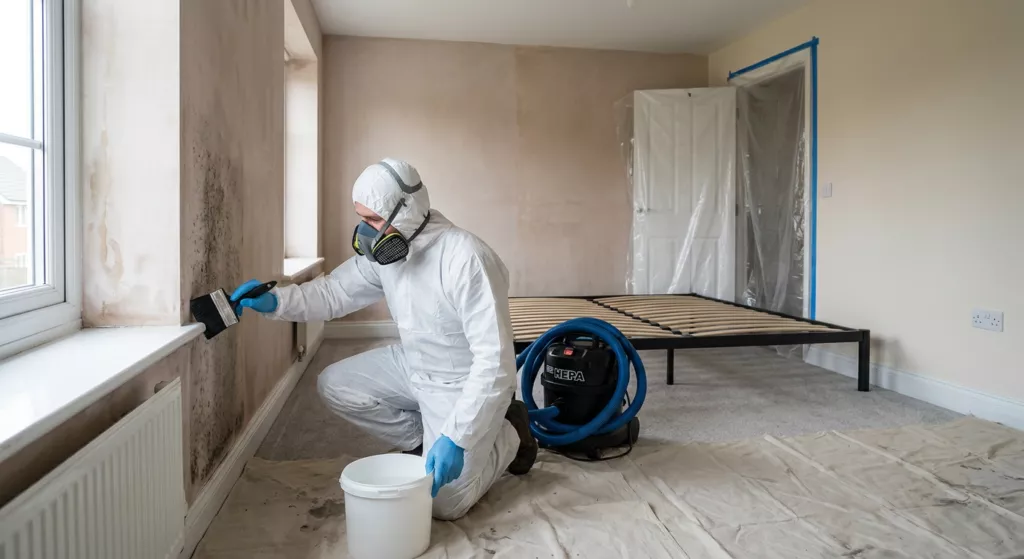
We apply professional-grade fungicidal treatment to surrounding surfaces, ensuring all spores and hidden fungal growth are completely eliminated.
4. Repair and Protect
New treated timber is installed, and preventative measures are taken to improve ventilation and eliminate excess moisture for long-term protection.
Signs You Have Dry Rot in Your Home
Musty or Damp Smell
A persistent, earthy odour often indicates fungal growth hidden behind walls, under floors, or in poorly ventilated spaces.
Cracked or Brittle Timber
Dry rot weakens wood, causing it to shrink, crack across the grain, and crumble easily when touched.
Fungal Growth (Mycelium)
White or grey cotton wool-like strands can appear on wood or masonry, indicating active fungal spread.
Fruiting Bodies
Rusty red or orange mushroom-like growths release spores and are a clear sign of established dry rot.
Paint Peeling or Bubbling
Moisture behind walls causes paint to lift or blister, often near the hidden rot.
Cuboidal Cracking
Timber develops deep, square-shaped cracks as it dries and shrinks due to fungal decay.
Free Dry Rot Timber Survey with Home Energy Save GB
Book your free dry rot timber survey with Home Energy Save GB today and get expert advice with no obligation. Our experienced surveyors will inspect your property, identify any signs of dry rot, and assess the extent of the damage.
We’ll also check for underlying moisture problems that will be the root cause of the issue. Once complete, we’ll provide a clear explanation of our findings along with tailored treatment recommendations.
Early detection is key to preventing costly repairs. Get peace of mind and professional support from a trusted team. Contact us now to arrange your no-cost survey at a time that suits you.

Causes of Dry Rot
Dry rot thrives in damp conditions, often caused by leaking pipes, rising damp, penetrating damp or poor drainage. Moisture creates the perfect environment for fungal spores to grow and spread rapidly.
Areas with limited airflow, such as basements, crawl spaces, and behind walls, trap moisture. This lack of ventilation encourages fungal growth and allows dry rot to develop unnoticed over time.
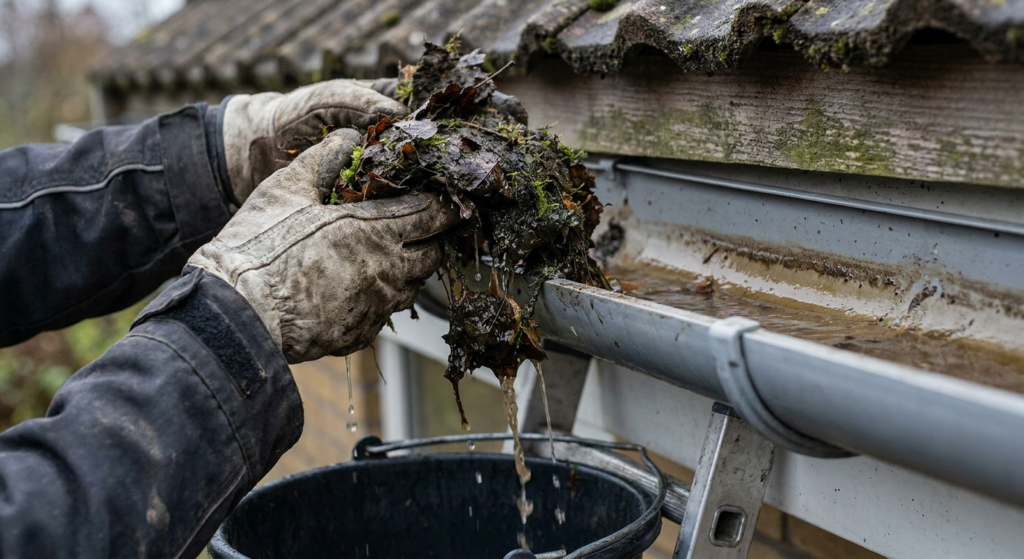
Broken roof tiles, blocked gutters, or leaking downpipes allow water to seep into timber structures, keeping them damp and vulnerable to fungal infection like dry rot.
Hidden leaks from pipes or appliances can slowly saturate nearby timber. Even small, persistent drips can provide enough moisture for dry rot fungi to colonise and cause significant damage.
Why You Should Book Professional Dry Rot Treatment Services
Booking professional dry rot treatment services is essential to protect your home’s structural integrity and prevent the problem from spreading. Dry rot can cause severe damage to timber, often hidden behind walls or under floors.
At Home Energy Save GB, our specialists accurately diagnose the issue, eliminate the source of moisture, and apply effective treatments to stop the fungus. We also carry out necessary repairs and offer long-term prevention solutions. DIY attempts often miss hidden rot or fail to fully treat the fungus.
Frequently Asked Questions
What is dry rot?
Dry rot is a type of wood-decaying fungus (Serpula lacrymans) that thrives in damp, poorly ventilated conditions. It breaks down the structure of timber, causing it to become brittle and crumbly. Despite the name, dry rot needs moisture to grow. It can spread through brick, plaster, and other building materials in search of more timber. Early detection is essential as untreated dry rot can cause serious structural damage to a property.
How do I know if I have dry rot?
Common signs include a musty or damp smell, cracking or crumbling timber, cotton wool-like fungal growth (mycelium), and orange or rust-coloured mushroom-like fruiting bodies. You might also notice peeling paint or plaster, or deep cuboidal cracks in the wood. Dry rot often begins in hidden areas, such as under floorboards or behind walls, so it’s not always obvious at first. If you suspect dry rot, it’s best to book a professional timber survey to confirm the diagnosis and assess the extent of the issue.
What causes dry rot?
Dry rot is caused by a specific fungus that feeds on damp timber. It needs moisture to grow, so it’s usually triggered by water ingress from leaky roofs, plumbing issues, poor drainage, or rising damp. Poor ventilation allows moisture to linger, creating ideal conditions for fungal growth. Once established, the fungus produces spores that can spread through the air and infect other areas with suitable conditions. Preventing dry rot involves keeping your property well-ventilated and dry, fixing leaks promptly, and ensuring timber is not exposed to prolonged dampness.
How serious is dry rot?
Dry rot is one of the most serious forms of timber decay. It compromises the structural integrity of wood, making it brittle and unsafe. If left untreated, it can spread rapidly, affecting large areas of a property. It can also travel through building materials like brick and plaster to find new sources of timber. The longer dry rot is left, the more damage it can cause, leading to expensive repair bills and potential safety issues. Professional treatment is essential to fully eliminate the fungus and protect your property.
What does dry rot look like?
Dry rot may first appear as cracked or shrunken wood, often with a crumbly texture. You might see grey or white mycelium – a cotton wool-like growth – on surfaces near the timber. Fruiting bodies can appear as flat, rust-red or orange mushrooms with white edges. Affected wood often develops deep cuboidal cracking and may darken in colour. You might also spot fine orange or reddish-brown dust (spores) nearby. These visual signs are strong indicators, but a professional survey is needed to confirm the presence and extent of dry rot.
Is dry rot covered by home insurance?
In most cases, standard home insurance policies in the UK do not cover damage caused by dry rot. This is because it’s considered a preventable issue resulting from a lack of property maintenance. However, some specialist or comprehensive policies might offer limited coverage for rot under certain circumstances, especially if caused by an insured event like storm damage. It’s always best to check with your insurer directly and consider preventive maintenance to avoid issues. Regular property checks and prompt repair of leaks can reduce your risk significantly.
Can dry rot spread to other parts of the house?
Yes, dry rot can spread beyond its initial location. Although the fungus feeds on timber, it can travel through porous materials like brick, plaster, and mortar in search of new wood. Spores can also spread through the air to settle in other damp areas. This makes it especially dangerous if left untreated. The longer it’s active, the more structural damage it can cause, even in hidden parts of your home. Early detection and professional intervention are crucial to stop its spread and protect your property.
Can I treat dry rot myself?
While minor surface mould or damp patches might be manageable on your own, dry rot should never be treated DIY. It often spreads unseen behind walls, under floors, or within structural timber. Simply applying fungicide to visible areas won’t solve the root cause or stop it from spreading. Without professional tools and expertise, you’re likely to miss hidden damage or fail to fix the underlying moisture issue. A trained specialist can fully assess the situation, remove all infected material, and apply proper treatment to ensure it doesn’t return.
Will dry rot come back after treatment?
Dry rot can return if the source of moisture isn’t properly fixed or if treatment was incomplete. That’s why professional services are essential. At Home Energy Save GB, we don’t just remove the fungus, we also identify and fix the moisture problem and apply preventive treatments to the surrounding areas. We may also recommend ventilation improvements or damp-proofing measures. If these steps are followed and your home is kept dry and well-ventilated, the chances of dry rot returning are significantly reduced.
Can dry rot affect newer homes?
Yes, dry rot can affect newer homes, especially if they suffer from water ingress or poor ventilation. Although older properties with untreated timber are more susceptible, modern homes aren’t immune. Leaky roofs, plumbing issues, or construction defects can create damp conditions where dry rot can develop. In some cases, poorly sealed bathrooms or kitchens can be problem areas. Newer homes may have better damp-proofing, but if the building materials become compromised or if moisture is allowed to accumulate, dry rot can still occur.