
Mould Services
At Home Energy Save GB, we identify the underlying causes of mould growth and implement compliant ventilation and moisture-control solutions in line with British Standards, restoring a healthier indoor environment and helping to prevent future recurrence
WHY CHOOSE US?
When it comes to mould issues, trust Home Energy Save GB to not only diagnose the problem accurately but also to provide effective solutions backed by decades of industry experience.
- Experienced & Qualified Local Surveyors
- 40+ Years Experience
- KIWA Accredited
- 5 Star Google Reviews
- 1 Year Guarantee On All Services
Book your FREE Comprehensive Damp Survey now or call us on 0800 065 4044 to take the first step towards a drier and healthier home.
Book Your FREE Survey Here
Our Accreditations and Sponsors


Customer Reviews
EXCELLENTTrustindex verifies that the original source of the review is Google. Very happy with the service, the guys were very helpful. Did a good job and all sorted in one day. Very happy.Posted on GoogleTrustindex verifies that the original source of the review is Google. Josh & Tom arrived on time, explained everything in detail as they walked me around the property. They carried out a great Job & cleaned & tidied afterwards. Both friendly & polite lads. Would definitely recommend.Posted on GoogleTrustindex verifies that the original source of the review is Google. The whole process of dealing with this company, has been seemless everything was handled professionally, John who came to do the actual work did a very professional job, everything left neat and tidy, and all the process explained as the job progressed. Very pleased and satisfied with the end result.Posted on GoogleTrustindex verifies that the original source of the review is Google. Had Joel and Dylan from Home Energy Save GB. Very friendly professional and efficient. Completed a very dirty job in very warm conditions very well. Would definitely recommend.Posted on GoogleTrustindex verifies that the original source of the review is Google. Ellick came out today and did a full house insulation survey. Very efficient, friendly and thorough. Honest free advice provided, would highly recommend them to you.Posted on GoogleTrustindex verifies that the original source of the review is Google. Excellent workers Sean and Evan done a really good job house looks as if they haven't been . Am very pleased. .Posted on GoogleTrustindex verifies that the original source of the review is Google. The inspection went great, was very informative and gave us some things to keep in mind for the future. Thank you Dan for everything.Posted on GoogleTrustindex verifies that the original source of the review is Google. Excellent work by Adam, Ryan and Jake. Very professional and couteous, a great combination to see from these hard working lads.
What is the Mould Treatment Process?
1. Initial Inspection
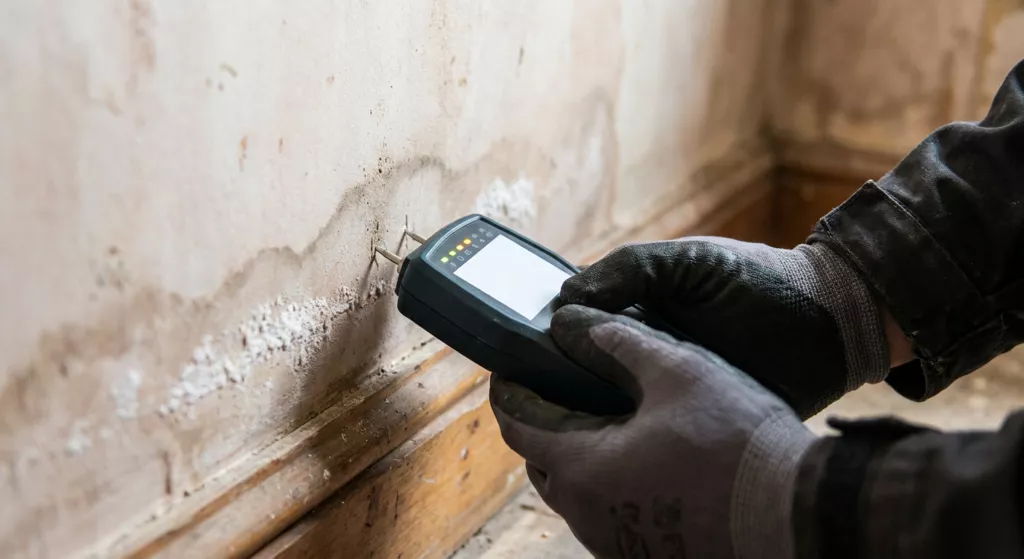
A qualified surveyor visits your home to assess visible mould and underlying moisture. Checks include ventilation, heating patterns, wall temperatures and signs of damp. This helps identify whether condensation or damp issues are contributing to mould growth within the property.
2. Cause Diagnosis
Findings from the inspection are reviewed to pinpoint the root cause of mould. Moisture sources, lifestyle factors and building defects are considered. This ensures any treatment plan addresses the problem correctly rather than relying on short term surface solutions alone.
3. Safe Treatment
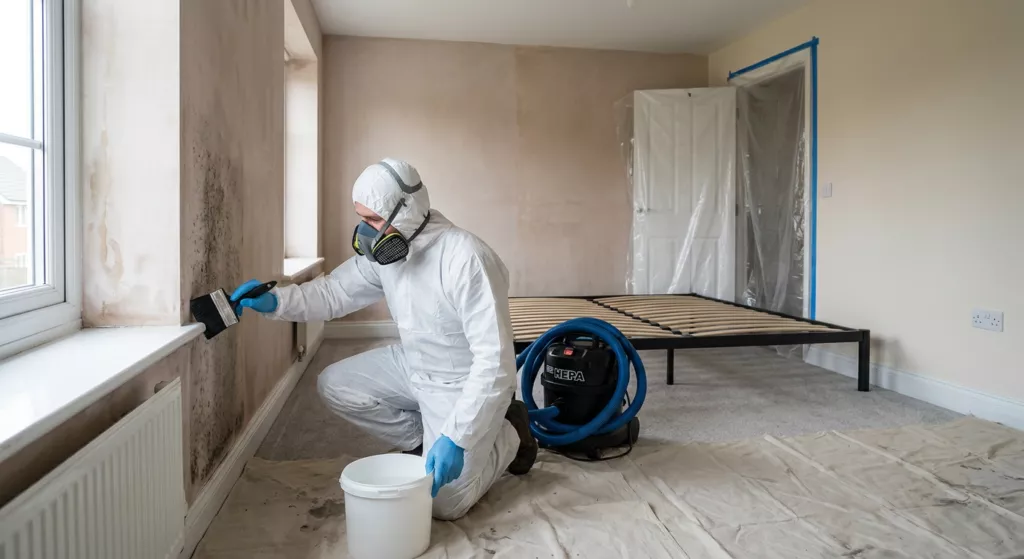
Specialist mould treatments are applied to affected areas using professional grade products. Surfaces are cleaned, sanitised and prepared to inhibit future growth. Care is taken to protect occupants, furnishings and finishes while restoring a clean and healthy internal environment again.
4. Prevention Advice
Following treatment, clear guidance is provided to help prevent mould returning. Recommendations may include ventilation improvements, heating adjustments or further damp solutions. Homeowners receive practical advice tailored to their property to support long term protection against future moisture issues occurring.
Damp in the Home is the Main Cause of Mould
Mould does not appear without reason. Persistent damp inside the home creates the moisture mould needs to grow and spread across walls, ceilings and furnishings. Rising damp, penetrating damp and trapped moisture all keep surfaces cold and wet. Cleaning mould without fixing damp is pointless. It will return, often worse than before. Proper damp investigation is essential to protect health, prevent damage and stop mould becoming a permanent problem for homeowners seeking long term solutions.
Is Mould Dangerous?
Mould growing on walls and within the home can pose health risks, particularly when exposure is ongoing. Airborne spores can affect indoor air quality and may trigger symptoms such as coughing, sneezing, headaches or irritation of the eyes and throat, especially in poorly ventilated spaces.
Certain people are more vulnerable to the effects of mould, including children, older adults and those with asthma or respiratory conditions. Prolonged exposure can worsen existing health issues and make everyday living uncomfortable, particularly in bedrooms and living areas.
Beyond health concerns, mould can damage internal surfaces and finishes if left untreated. Paint, plaster and furnishings can deteriorate over time, while persistent moisture often points to underlying damp or condensation problems that should be professionally assessed.

Common Types of Mould Found in Homes
Green Mould
Regularly forming on walls, soft furnishings and around window frames, this mould develops quickly in damp and humid conditions. It is commonly associated with condensation but may also appear where water ingress is present. Spores released into the air can impact indoor comfort and cleanliness.
This type of mould often spreads across porous surfaces if moisture remains unresolved. Its appearance usually highlights ventilation shortcomings or damp problems that should be addressed to protect the home.
White Mould
Often mistaken for salt deposits or dust, this mould grows in areas where moisture lingers on walls, timber or stored items. It is frequently linked to condensation problems and inadequate ventilation, especially in cupboards, lofts and unused rooms.
Although it may look less severe, it can spread across surfaces and indicate elevated humidity levels. Left untreated, it can affect building materials and signal underlying moisture issues that require professional investigation within the property.
Black Mould
Commonly developing on walls, ceilings and around windows, this mould thrives in environments where moisture is consistently present. Poor ventilation, high humidity and cold surfaces all contribute to its growth inside homes. It often appears in bathrooms, bedrooms and living spaces where airflow is limited.
Spores can become airborne and affect indoor air quality, particularly during colder months. Its presence usually indicates an ongoing condensation or damp issue that needs addressing to prevent repeated growth and further damage.
Frequently Asked Questions
What causes mould to grow inside homes?
Mould grows when excess moisture is present within a property. This is commonly caused by condensation, rising damp or penetrating damp. Poor ventilation, cold wall surfaces and everyday activities such as cooking and showering can all contribute. At Home Energy Save GB, we focus on identifying the moisture source through free surveys, as treating the mould alone without resolving damp issues will usually result in it returning.
Is mould a sign of damp problems?
In many cases, mould is a visible warning sign of an underlying damp issue. Persistent condensation or water ingress creates the conditions mould needs to thrive. While surface mould can be cleaned, the damp causing it must be addressed. Home Energy Save GB carries out free surveys to identify whether rising damp, penetrating damp or condensation is present and recommends suitable long term solutions.
Can mould affect health inside the home?
Mould can impact indoor air quality and may cause health concerns, particularly for children, older people and those with respiratory conditions. Symptoms may include coughing, wheezing and irritation of the eyes or throat. Long term exposure is not advisable. Home Energy Save GB recommends professional assessment through our free surveys to identify moisture sources and prevent mould from continuing to affect living conditions.
Why does mould keep coming back after cleaning?
Cleaning mould removes surface growth but does not remove the moisture causing it. If condensation or damp remains, mould is likely to return. This is a common issue in homes with poor ventilation or hidden damp. Home Energy Save GB investigates the root cause through free surveys and provides treatment plans that focus on preventing mould regrowth, not just temporary removal.
Can condensation cause mould on walls?
Yes, condensation is one of the most common causes of mould in UK homes. Warm air meets cold surfaces, creating moisture that allows mould to grow. This often affects bedrooms, bathrooms and external walls. Home Energy Save GB specialises in identifying condensation issues through free surveys and recommending solutions that reduce moisture and improve ventilation.
Is black mould more dangerous than other mould types?
Black mould is often associated with prolonged moisture problems and can be more noticeable on walls and ceilings. While all mould types should be treated seriously, black mould often indicates persistent damp or condensation. Home Energy Save GB treats mould safely and focuses on resolving the moisture issues identified during our free surveys to prevent recurrence.
Why choose Home Energy Save GB for mould problems?
Home Energy Save GB takes a whole house approach to mould treatment. We focus on identifying damp and condensation issues rather than offering temporary fixes. Our experienced surveyors provide free surveys, clear advice and long term solutions designed to protect both your health and your home from recurring mould problems.