
Woodworm Treatment Specialists
At Home Energy Save GB, we carry out accurate assessments and apply compliant treatment solutions in line with British Standards, protecting your property’s structural integrity and preventing further infestation.
WHY CHOOSE US?
If woodworm is affecting the timber in your property, Home Energy Save GB can carry out a thorough inspection and provide targeted treatment to eliminate active infestations. Our experienced team identifies the species involved, treats affected timbers, and advises on preventative measures to help protect the long-term strength and safety of your home.
Why homeowners choose us:
- Experienced & Qualified Local Surveyors
- 40+ Years Experience
- KIWA Accredited
- 5 Star Google Reviews
- 25 Year Guarantee On All Services
Book your FREE woodworm assessment today or call us on 0800 065 4044 to take the first step towards protecting your property’s timber and maintaining a healthy, structurally sound home.
Book Your FREE Survey Here
Our Accreditations and Sponsors


Customer Reviews
EXCELLENTTrustindex verifies that the original source of the review is Google. Very happy with the service, the guys were very helpful. Did a good job and all sorted in one day. Very happy.Posted on GoogleTrustindex verifies that the original source of the review is Google. Josh & Tom arrived on time, explained everything in detail as they walked me around the property. They carried out a great Job & cleaned & tidied afterwards. Both friendly & polite lads. Would definitely recommend.Posted on GoogleTrustindex verifies that the original source of the review is Google. The whole process of dealing with this company, has been seemless everything was handled professionally, John who came to do the actual work did a very professional job, everything left neat and tidy, and all the process explained as the job progressed. Very pleased and satisfied with the end result.Posted on GoogleTrustindex verifies that the original source of the review is Google. Had Joel and Dylan from Home Energy Save GB. Very friendly professional and efficient. Completed a very dirty job in very warm conditions very well. Would definitely recommend.Posted on GoogleTrustindex verifies that the original source of the review is Google. Ellick came out today and did a full house insulation survey. Very efficient, friendly and thorough. Honest free advice provided, would highly recommend them to you.Posted on GoogleTrustindex verifies that the original source of the review is Google. Excellent workers Sean and Evan done a really good job house looks as if they haven't been . Am very pleased. .Posted on GoogleTrustindex verifies that the original source of the review is Google. The inspection went great, was very informative and gave us some things to keep in mind for the future. Thank you Dan for everything.Posted on GoogleTrustindex verifies that the original source of the review is Google. Excellent work by Adam, Ryan and Jake. Very professional and couteous, a great combination to see from these hard working lads.

What are Woodworm?
Woodworm are the larvae of certain beetles that infest and feed on wood, causing damage over time. They bore tiny holes in wooden structures like floorboards, furniture, and beams, weakening the wood’s strength and appearance. While woodworm are common in older buildings, they can affect any untreated or damp wood.
The most frequent species in the UK is the Common Furniture Beetle. Early signs include small exit holes and fine dust called frass. If left untreated, the infestation can spread and cause serious structural issues. Professional treatment is essential to protect your home and prevent further damage.
What is the Woodworm Treatment Process?
A professional inspects the property to identify the extent of the woodworm infestation. They check the affected wood and the surrounding areas to determine the species and level of damage for an accurate treatment plan.
Before treatment, the area is cleared of furniture and coverings. Any loose or severely damaged wood may be removed. The environment is prepared to ensure effective and safe application of treatment products.
A specialised insecticide is applied to affected wood using sprays or injections. This kills the larvae and prevents reinfestation. Treatment reaches deep into the wood for long-lasting protection.
After treatment, regular checks are scheduled to ensure the woodworm has been eradicated. Homeowners are advised on humidity control and maintenance to prevent future infestations and keep wood healthy.
Signs You Have Woodworm in Your Home
Tiny round holes, usually 1 to 2 millimetres in diameter, appear on wooden surfaces. These exit holes indicate adult beetles have emerged, signalling an active or past woodworm infestation.
You may notice a powdery dust, called frass, around holes or on the floor beneath wooden structures. This is the woodworm larvae’s waste, a clear sign they’re feeding inside the wood.
Wood affected by woodworm often becomes soft, fragile, or crumbly. Pressing it may cause it to break easily, showing that the larvae have damaged the wood’s internal structure.
Tapping wood with a tool or knuckle may produce a hollow or dull sound instead of a solid one, suggesting internal decay caused by woodworm tunnelling.
If you can see inside cracks or damaged wood, you might notice winding tunnels created by the larvae. These tunnels weaken the wood and indicate active infestation.
Seeing small beetles, usually about 3 to 5 millimetres long, flying near wooden furniture or beams is a sign that adult woodworm beetles are emerging, confirming an infestation.
Free Woodworm Timber Survey with Home Energy Save GB
At Home Energy Save GB, we offer a free woodworm timber survey to help protect your home from costly damage. Our expert surveyors will visit your property to thoroughly inspect all wooden structures for signs of woodworm infestation. Using their knowledge and specialised tools, they will assess the extent of any damage and identify the type of woodworm present.
After the survey, you will receive a detailed assessment and clear advice on the best treatment options. This no-obligation service ensures you understand your home’s condition and can take prompt action to safeguard your timber.
Causes of Woodworm
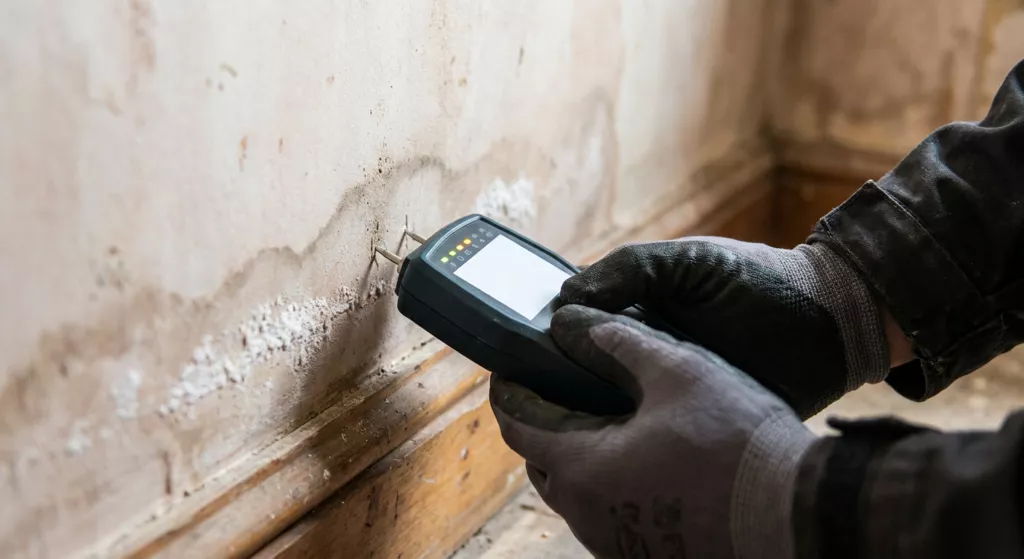
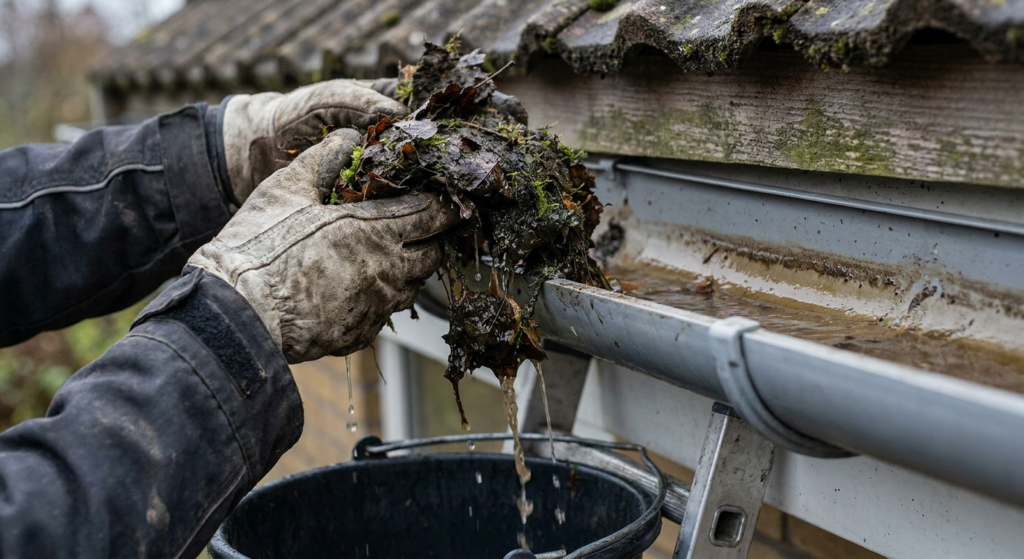
Woodworm thrive in moist environments because damp wood softens, making it easier for larvae to bore tunnels. High humidity or water leaks create perfect conditions for woodworm infestation.
Lack of airflow increases moisture levels in wood, encouraging woodworm activity. Poorly ventilated spaces like basements and lofts are common hotspots where woodworm can easily establish.
Wood that hasn’t been treated with preservatives or protective coatings is more vulnerable. Without treatment, woodworm beetles can easily lay eggs and larvae can develop unchecked.
Old timber often carries dormant woodworm eggs or larvae. Using secondhand wood without proper inspection or treatment can introduce infestations into otherwise healthy homes.
Why You Should Book Professional Woodworm Treatment Services
Booking professional woodworm treatment services ensures effective and lasting protection for your home. We have the experience to accurately identify the type and severity of the infestation, allowing them to tailor treatments specifically for your situation.
We use safe, high-quality products that reach deep into the wood, killing larvae and preventing reinfestation. Professionals also spot underlying issues like damp or poor ventilation that contribute to woodworm problems.

Frequently Asked Questions
How do I know if I have woodworm?
Look for small round holes approximately 1-2 millimetres in diameter on wooden surfaces, which indicate adult beetles have emerged. You might also notice a fine, powdery dust called frass around these holes or on the floor. Another sign is wood that sounds hollow or feels weak and crumbles easily when pressed. In some cases, visible tunnels inside damaged wood can be seen. Spotting adult beetles, usually 3-5 millimetres long, flying near wooden furniture or beams, is another clear indication of an active infestation.
Can woodworm damage be repaired?
Yes, woodworm damage can be repaired, but the approach depends on the extent of the infestation. Minor damage may only require treatment and surface repairs. However, severe infestations can weaken structural timber, which might need replacement or reinforcement. After treating the infestation, professionals often recommend repairing or restoring affected wood using fillers, resin, or by replacing damaged sections. Early detection and treatment are crucial to prevent extensive damage and costly repairs.
Is woodworm dangerous to humans or pets?
Woodworm itself is not dangerous to humans or pets as the larvae feed only on wood. However, an untreated infestation can cause structural damage to your home, which might pose safety risks. Some woodworm treatment chemicals may have slight health risks if not handled properly, so it’s best to use professional services that apply treatments safely and in compliance with health regulations.
Can I treat woodworm myself?
While DIY treatments are available, they often do not fully eradicate woodworm infestations, especially in severe cases. Professional treatments use specialised insecticides and application techniques that penetrate deep into timber. Experts also identify underlying causes like damp or poor ventilation, that encourage infestations. Incorrect DIY treatment may allow woodworm to continue damaging your property, making professional intervention the safer and more effective option.
What causes woodworm infestations?
Woodworm infestations are primarily caused by damp or moist conditions, which soften timber and make it easier for larvae to bore tunnels. Poor ventilation and untreated or unprotected wood also contribute to infestations. Old or secondhand timber can carry dormant larvae or eggs, introducing woodworm into homes. Addressing these underlying causes is key to preventing future infestations.
How long does a woodworm live?
The woodworm lifecycle typically lasts between 3 to 5 years. The larval stage, which causes the damage by feeding on wood, can last several years before the beetles emerge as adults. Adult beetles live for only a few weeks, during which time they mate and lay eggs, continuing the cycle.
How can I prevent woodworm infestations?
Prevent woodworm by keeping timber dry and well-ventilated to avoid damp conditions. Use treated or preservative-coated wood, especially in vulnerable areas. Regularly inspect wooden structures for early signs of infestation and promptly address any moisture problems.