
If you’ve had loft insulation installed and noticed damp patches or droplets appearing, you’re not alone. Many homeowners experience loft insulation condensation after improving their home’s energy efficiency. It happens when warm indoor air meets colder loft surfaces and moisture can’t escape.
The good news is this doesn’t mean your insulation is faulty. By understanding the main causes of loft condensation and improving ventilation for loft insulation, you can stop the problem before it spreads.
A few simple adjustments can prevent damp in loft areas and keep your home dry, warm, and energy efficient.
What Is Loft Insulation Condensation?
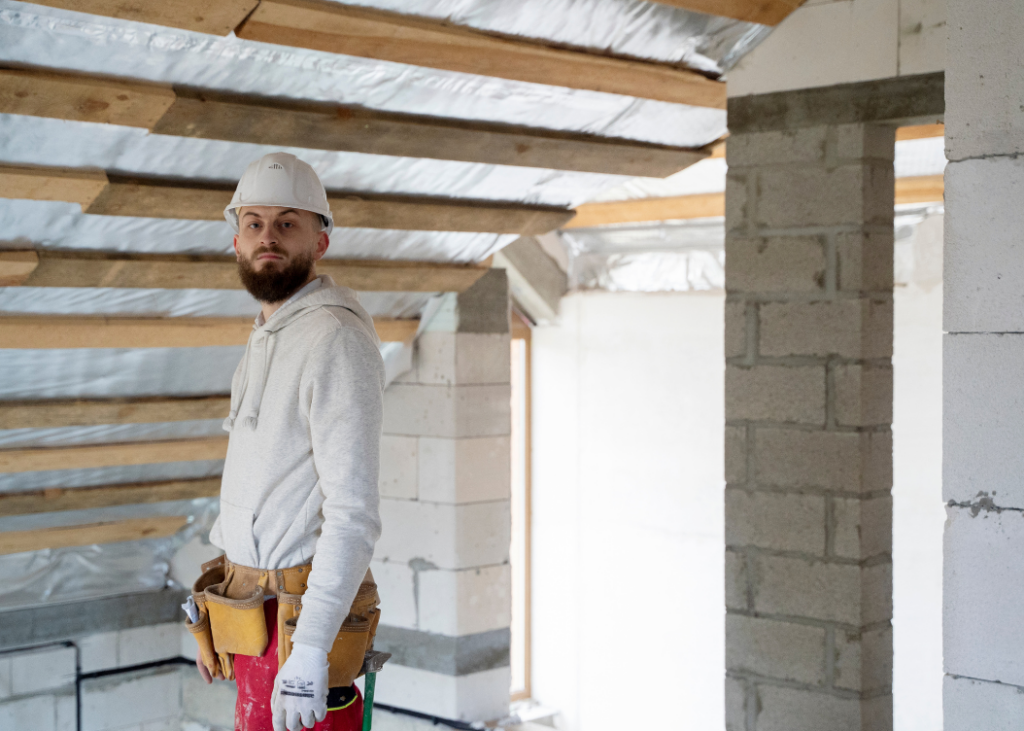
Condensation in loft spaces happens when warm, moist air from inside your home rises and meets the colder surfaces of your roof or insulation. The change in temperature causes the moisture to turn into tiny water droplets, which settle on rafters, felt, or insulation material.
This process is quite normal in a home that’s well insulated, since insulation tends to trap heat, and that can slightly reduce natural airflow. In a way, it’s a sign that your home is retaining warmth, yet without proper ventilation, the moisture has nowhere to go. Over time, this can make the space feel damp and uncomfortable.
Why Condensation Happens After Loft Insulation
After new insulation is fitted, your home holds more warmth, which slightly changes how air moves through it. Moist air from daily activities like cooking, showering, or drying clothes rises into the loft, and if the ventilation for loft insulation is poor, it quickly turns to moisture. Sometimes vents are blocked or air gaps sealed too tightly during installation, so airflow can’t circulate properly.
Cold bridges, where heat escapes through small joins, also add to the problem. The main causes of loft condensation usually come down to trapped moisture, not bad insulation, which means the issue is easy to correct.
Signs of Condensation in a Loft
Spotting condensation early can make a big difference, as it often starts small and builds up slowly. Homeowners usually notice one or more of these signs of condensation in attic spaces:
- Damp or soggy insulation that feels heavier than usual
- Small water droplets forming on the underside of the roof felt or rafters
- A musty or slightly stale smell that lingers in the loft
- Peeling paint or dark patches on ceilings just below the roof
- Black mould appearing around timber joints or corners
- Wooden beams that start to look darker or feel soft to the touch
Each of these clues points to moisture collecting where it shouldn’t. Once you recognise them, you can act quickly and stop the issue before it leads to lasting damage.
Risks of Leaving Condensation Untreated
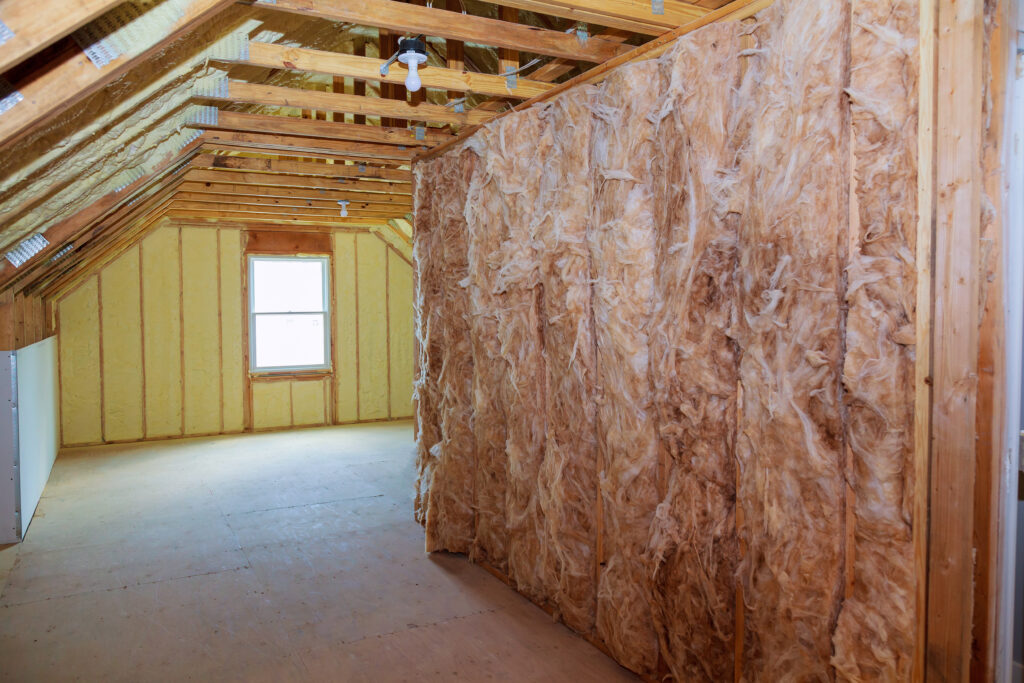
Condensation might seem harmless, yet leaving it too long can cause real damage. Moisture seeps into roof timbers, leading to soft wood, rot, and expensive repairs.
Damp insulation also stops working properly, so rooms feel colder and energy bills often rise. Another problem is mould, which starts as tiny black spots and can spread quickly, affecting both air quality and health. What begins as mild condensation in loft spaces can eventually weaken the structure of your home. Sorting it early is far easier and cheaper than fixing serious damp or decay later on.
How to Prevent Condensation After Loft Insulation
Once you understand what causes moisture to build up, knowing how to stop condensation in loft spaces becomes much simpler. Here’s a straightforward approach that usually helps:
- Keep ventilation gaps open — Check that air bricks, soffit vents, and other openings are clear so air can move freely through the loft.
- Install or repair vapour barriers — A thin sheet of protective material helps stop warm, moist air from rising into the loft in the first place.
- Inspect extractor fans — Make sure fans in bathrooms and kitchens vent outside, not into the roof space.
- Avoid blocking airflow — Don’t push storage boxes or insulation too tightly against the roof.
- Schedule a professional loft insulation inspection — Experts can identify hidden moisture, advise on ventilation for loft insulation, and suggest any repairs before problems develop.
By keeping these habits in mind, you can prevent damp in loft areas and protect both your home and your investment.
Best Ventilation Options for Lofts
Good airflow is the most effective way to manage loft insulation condensation, and there are several ways to achieve it. The right choice depends on your roof type, property age, and how much moisture tends to build up. In most cases, a mix of ridge and soffit vents works best since they let air enter low down and exit high up, creating a steady flow that carries moisture away.
For those unsure about the setup of their roof, here’s a quick look at common options:
| Ventilation Method | Typical Cost Range | Effectiveness | Maintenance Level |
| Soffit vents | Low | High when used with ridge vents | Very low |
| Ridge vents | Medium | Excellent airflow | Low |
| Roof tile vents | Medium to high | Good, but depends on placement | Low |
| Gable vents | Low | Moderate | Very low |
DIY solutions can sometimes help, yet a professional loft insulation inspection might be the safer choice if airflow patterns or vent blockages are uncertain. Correctly fitted vents not only stop moisture but also help insulation last longer and perform better overall.
When to Call in a Professional
If your loft still feels damp after trying simple fixes, it could mean there’s a deeper issue. Hidden damp, blocked vents, or insulation fitted too tightly can all cause lasting moisture problems.
A professional loft insulation inspection can reveal what’s really happening and show how to fix it safely. Specialists use tools to check airflow, humidity, and insulation gaps, then recommend the best ventilation for loft insulation. Getting expert help not only prevents damp in loft spaces from returning but also protects your home for the long term. You can contact us for trusted advice.
Condensation after loft insulation can look worrying, yet it’s actually common and easy to manage. It usually happens because airflow has been reduced, not because the insulation is faulty.
Once you understand what’s causing it, you can take simple steps to fix it and keep your loft dry. Regular checks, good ventilation, and quick action all make a big difference.
If you’ve noticed condensation in loft areas or want reassurance that your insulation is performing properly, a professional loft insulation inspection from Home Energy Save GB can help you prevent damp and protect your home long term.
