
PIV Unit Installation Specialists
Home Energy Save GB provides specialist PIV (Positive Input Ventilation) assessments and installations in line with British Standards, helping to control moisture levels, reduce condensation, and maintain a healthier, drier home environment.
WHY CHOOSE US?
Positive Input Ventilation units help reduce condensation and improve air quality when correctly installed. Home Energy Save GB can assess whether a PIV unit is suitable for your home and ensure it works properly with existing ventilation, helping to control moisture and reduce mould and condensation issues.
Why homeowners choose us:
- Experienced & Qualified Local Surveyors
- 40+ Years Experience
- KIWA Accredited
- 5 Star Google Reviews
- 25 Year Guarantee On All Services
Book your FREE assessment today or call us on 0800 065 4044 to take the first step towards a healthier, well-ventilated home.
Book Your FREE Survey Here
Our Accreditations and Sponsors


Customer Reviews
EXCELLENTTrustindex verifies that the original source of the review is Google. Very happy with the service, the guys were very helpful. Did a good job and all sorted in one day. Very happy.Posted on GoogleTrustindex verifies that the original source of the review is Google. Josh & Tom arrived on time, explained everything in detail as they walked me around the property. They carried out a great Job & cleaned & tidied afterwards. Both friendly & polite lads. Would definitely recommend.Posted on GoogleTrustindex verifies that the original source of the review is Google. The whole process of dealing with this company, has been seemless everything was handled professionally, John who came to do the actual work did a very professional job, everything left neat and tidy, and all the process explained as the job progressed. Very pleased and satisfied with the end result.Posted on GoogleTrustindex verifies that the original source of the review is Google. Had Joel and Dylan from Home Energy Save GB. Very friendly professional and efficient. Completed a very dirty job in very warm conditions very well. Would definitely recommend.Posted on GoogleTrustindex verifies that the original source of the review is Google. Ellick came out today and did a full house insulation survey. Very efficient, friendly and thorough. Honest free advice provided, would highly recommend them to you.Posted on GoogleTrustindex verifies that the original source of the review is Google. Excellent workers Sean and Evan done a really good job house looks as if they haven't been . Am very pleased. .Posted on GoogleTrustindex verifies that the original source of the review is Google. The inspection went great, was very informative and gave us some things to keep in mind for the future. Thank you Dan for everything.Posted on GoogleTrustindex verifies that the original source of the review is Google. Excellent work by Adam, Ryan and Jake. Very professional and couteous, a great combination to see from these hard working lads.

What are Positive Input Ventilation Units?
At Home Energy Save GB, we often recommend Positive Input Ventilation (PIV) units as an effective way to improve indoor air quality. A PIV unit is typically installed in your loft or wall and works by gently introducing drier, filtered air into your living space.
This constant airflow helps to push out humid air, reducing condensation, mould, and allergens. The unit automatically adjusts the temperature of the incoming air and can be configured to suit your preferences and specific household needs. PIV units offer a simple yet powerful solution to keep your home fresh, healthy, and well-ventilated all year round.
What is the PIV Unit Installation Process?
We begin with a home assessment to check ventilation needs, moisture levels, and determine the best PIV unit placement.
Based on your home’s needs, we select the right unit and configure settings like temperature control and airflow preferences.
Our qualified installers fit the PIV unit into your loft or wall, ensuring safe, secure, and discreet integration with your home.
We calibrate the unit to ensure optimal performance and explain how it works, including tips for maintaining long-term efficiency.
Signs You Need a PIV Unit Installed in Your Home
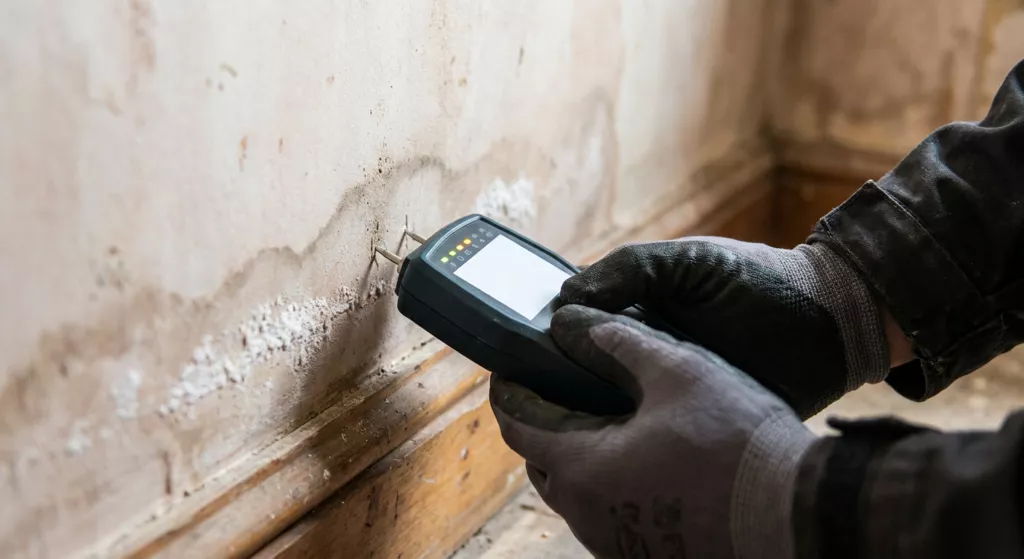
Persistent moisture or water droplets indoors often point to poor ventilation and rising humidity levels.
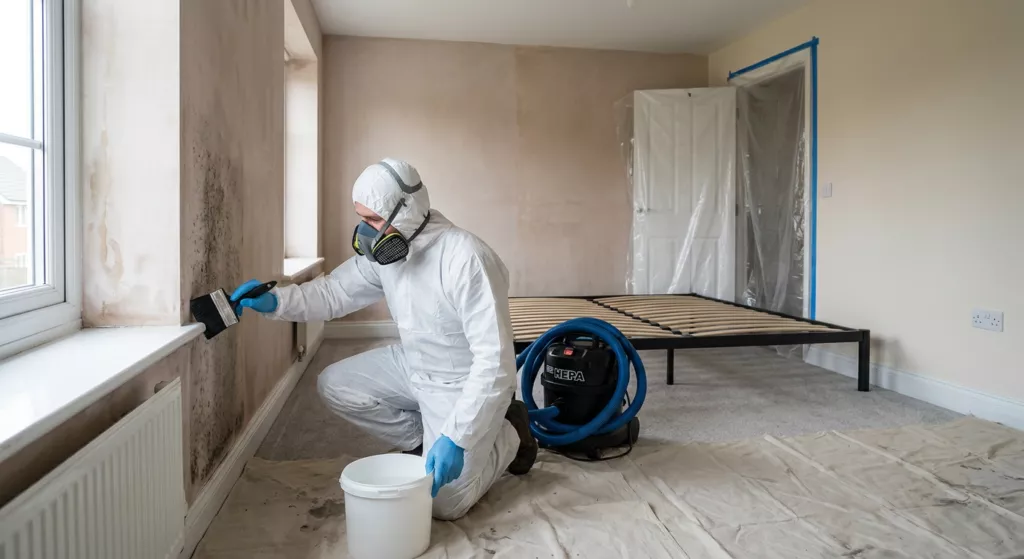
Visible mould, especially around windows or in corners, is a clear sign of excess moisture needing better airflow.
Unpleasant odours that don’t go away suggest trapped, stagnant air that’s not being properly refreshed.
Damp damage on walls and ceilings indicates a moisture problem often caused by insufficient air circulation.
A build-up of allergens, dust, and poor air quality can worsen respiratory issues and may improve with a PIV system.
If your heating feels ineffective, excess moisture could be impacting warmth retention - better ventilation helps regulate this.
Benefits of Having a PIV Unit Installed
Installing a Positive Input Ventilation (PIV) unit offers several key benefits for homeowners. It significantly reduces condensation and damp by gently introducing fresh, filtered air into the home, pushing out excess moisture. This helps prevent the growth of black mould, which can damage property and affect health.
By improving indoor air quality, PIV units reduce allergens, pollutants, and stale odours, creating a fresher, healthier living environment, especially beneficial for those with asthma or allergies.
A drier home also retains heat more effectively, improving energy efficiency and potentially lowering heating bills.

Eliminate Condensation and Experience Improved Air Quality
Eliminate condensation and enjoy cleaner, fresher air throughout your home with a Positive Input Ventilation (PIV) unit. By gently introducing filtered air from outside, PIV systems push out damp, stale air and reduce humidity levels. This helps prevent condensation on windows, damp patches, and mould growth. You’ll also benefit from improved indoor air quality, with fewer allergens and pollutants.
Identifying the Root Cause
Identifying the root cause of needing a PIV unit installed often begins with recognising persistent damp problems in the home. Signs such as condensation on windows, mould on walls, or musty odours may indicate poor ventilation.
In many UK properties, inadequate air circulation allows excess moisture to build up, leading to damp and related issues. A PIV unit helps tackle these conditions by introducing fresh filtered air indoors.

Free Condensation Assessment with Home Energy Save GB
At Home Energy Save GB, we offer a free insulation efficiency inspection to help determine if your home could benefit from a Positive Input Ventilation (PIV) unit. Our expert assessors will visit your property to check for signs of poor ventilation, such as condensation, damp, and mould, while also reviewing your home’s insulation levels.
This no-obligation inspection ensures we recommend the most suitable solution for your needs. Whether you’re experiencing persistent humidity or simply want to improve air quality, our team provides honest advice and tailored recommendations free of charge.

How Does a PIV Unit Work?
A Positive Input Ventilation (PIV) unit works by supplying fresh, filtered air into your home to improve air quality and reduce moisture. Installed in the loft or on a wall, it draws in clean air from outside or the loft space, filters out dust and pollen, then gently pushes it into living areas.
This creates slight positive pressure, forcing stale, humid air out through vents and gaps. The unit adjusts the air temperature automatically for comfort and energy efficiency, reducing condensation, damp, and mould, while providing a healthier, fresher indoor environment with minimal maintenance.
Frequently Asked Questions
Is installing a PIV unit disruptive?
Installation of a PIV unit is generally quick and minimally disruptive. It typically takes a few hours and involves mounting the unit in your loft or on a wall. The installer will connect ducting and electrical wiring, ensuring the unit is safely integrated into your home. No major building work or structural changes are usually needed. After installation, the unit operates quietly in the background without interfering with daily activities. Homeowners can usually continue their routine as normal during and after installation.
How long does it take to install a PIV unit?
Installing a PIV unit usually takes between two and four hours, depending on your home’s layout and accessibility. The process involves fitting the unit in the loft or on a wall, connecting ducting, and wiring it to your electrical supply. Once installed, the unit is tested to ensure it operates correctly and quietly. Minimal disruption is expected, and most installations can be completed within a single visit. Your installer will also explain how to use and maintain the unit before leaving.
Will a PIV unit increase my heating bills?
A PIV unit is designed to improve ventilation while being energy efficient. The incoming air is often drawn from the loft, which tends to be warmer than outside air, and the unit may gently warm the air before it enters your living space. This helps maintain comfortable indoor temperatures and can reduce the dampness that causes heat loss. While the unit uses electricity to run, many homeowners find it balances out by improving insulation efficiency and reducing the need for excessive heating. Overall, a well-installed PIV unit should not cause significant increases in heating costs.
Can a PIV unit help with mould and damp issues?
Yes, a PIV unit is an effective solution for managing mould and damp caused by excess moisture. By continuously introducing fresh, dry air and pushing out humid, stale air, the unit helps regulate indoor humidity levels. This reduces condensation on windows and walls, which is a common cause of mould growth. Improved ventilation also stops damp patches from worsening and prevents mould spores from settling. While a PIV unit won’t fix structural damp, it significantly improves air quality and moisture control, supporting a healthier, mould-free home environment.
Is a PIV unit suitable for all types of homes?
PIV units are suitable for most UK homes, especially those that experience condensation, damp, or poor ventilation. They work best in properties with loft space or a suitable external wall for installation. However, homes with very open ventilation or severe structural damp issues might not benefit as much. Before installation, a home energy professional should carry out an inspection to assess your property’s needs and determine if a PIV unit is right for you. This ensures the system will be effective and tailored to your home’s specific conditions.