
You walk into a room and pause, like the air feels heavy or slightly clammy against your skin, and you start asking yourself, why does my home feel damp? In many cases, that sensation points to everyday moisture issues rather than serious structural failure, yet it can still make your house feel uncomfortable and cold.
Many causes of damp in homes begin with small, overlooked details that build up over time. This guide breaks down ten common reasons, helping you spot patterns, notice warning signs, and decide whether simple changes might help or whether a closer look makes sense.
1. Poor Ventilation Throughout the Property
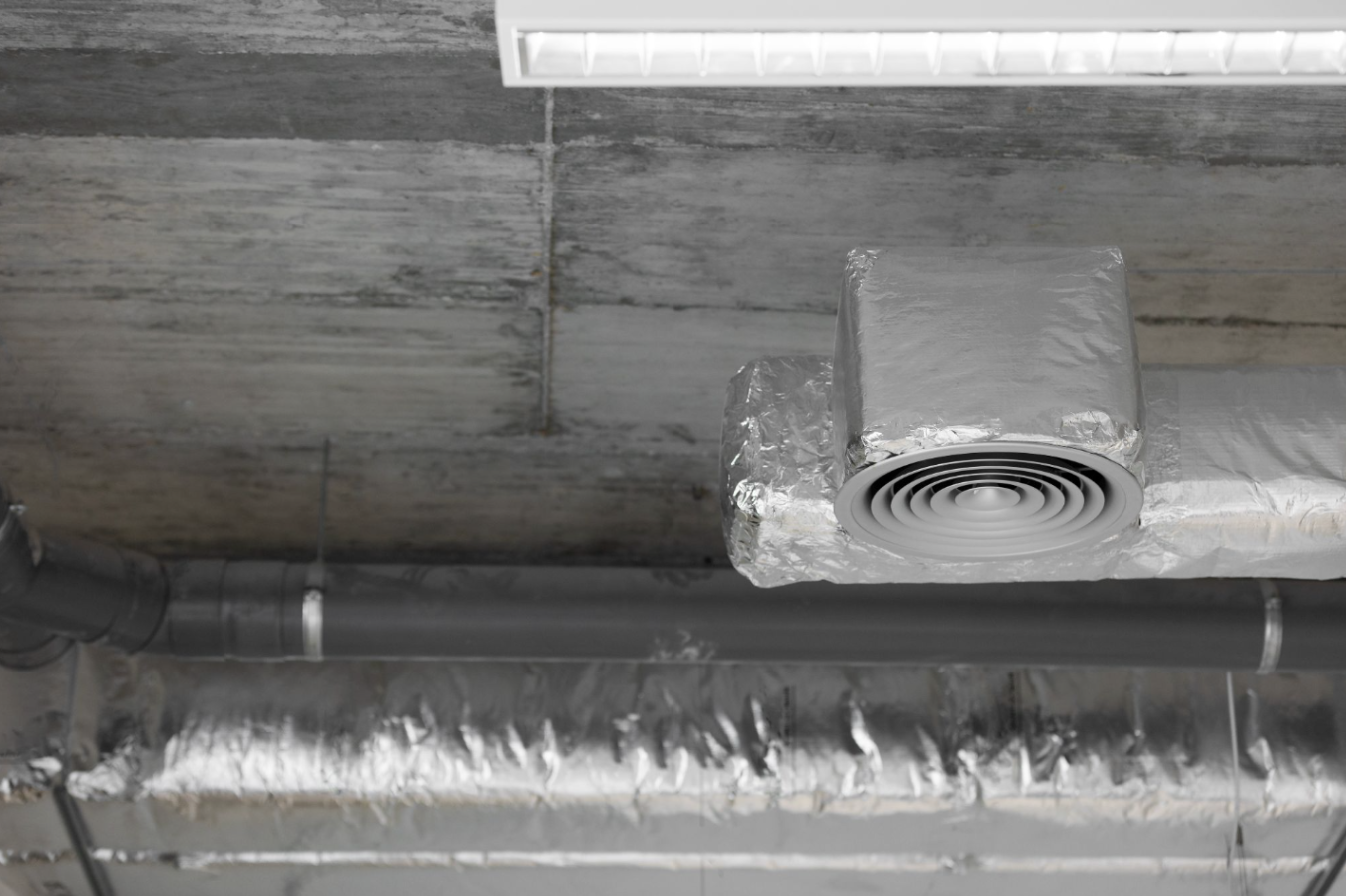
Poor airflow often traps moisture indoors, and rooms like kitchens and bathrooms tend to hold onto steam long after cooking or showering finishes. Extractor fans, trickle vents and open windows allow damp air to escape, yet sealed modern homes can restrict natural air movement.
In some respects, tighter insulation keeps warmth inside, yet it can leave moisture with nowhere to go. Condensation problems UK homeowners report often link back to stale, humid air settling on cold surfaces. Signs include misted windows most mornings, peeling paint, or a lingering musty smell that never quite shifts.
2. Blocked or Bridged Damp Proof Course
A damp proof course, often called a DPC, forms a barrier within the wall that stops ground moisture rising upward. Problems arise when external soil sits too high, internal plaster bridges the barrier, or debris blocks cavity gaps.
Moisture can then bypass the protection and appear as low-level damp patches on walls, usually close to skirting boards. This pattern may look minor, yet it often signals a deeper issue. A structured inspection from a specialist such as Home Energy Save GB can confirm whether bridging exists or whether another factor sits behind the symptoms.
3. High Indoor Humidity Levels
Daily routines add surprising amounts of moisture into the air, from boiling kettles to drying laundry on radiators. Relative humidity measures how much moisture the air holds compared to its capacity at a given temperature, and levels above 60% often increase condensation risk.
High humidity in house conditions can leave windows dripping, walls slightly cold to the touch, and rooms carrying a faint musty odour. A simple hygrometer gives a clear reading without fuss.
If readings stay high despite improving airflow, a structured damp assessment from specialists such as Home Energy Save GB can help determine whether ventilation, insulation or another factor is contributing.
If numbers remain high for long periods, small ventilation changes might help, yet persistent imbalance often needs closer review.
4. Leaking Gutters and Downpipes
External water mismanagement often leads to penetrating damp signs inside. Gutters that overflow during heavy rainfall can soak brickwork repeatedly, allowing moisture to travel inward. Cracked or disconnected downpipes may channel water directly against the wall, particularly near corners.
After storms, you might notice damp patches appearing or dark streaks forming along exterior surfaces. Regular checks, especially before winter, reduce this risk considerably. Maintenance may seem minor, yet blocked drainage systems can quietly create long-term moisture problems inside the property.
5. Cracked Brickwork or External Render Damage
Small cracks in brickwork or damaged render allow rainwater to enter the wall structure. Freeze–thaw cycles in UK weather often widen these gaps over time, particularly in exposed areas. Mortar pointing can erode gradually, leaving joints vulnerable.
Homeowners can inspect external walls for visible cracks, crumbling mortar, or flaking surfaces. Localised damp patches on internal walls frequently match the position of external defects. Repairs at the source often resolve the issue, preventing further moisture absorption and protecting the building fabric.
6. Cold Bridging in Walls and Ceilings
Cold bridging occurs where insulation gaps allow certain sections of a wall or ceiling to remain colder than surrounding areas. These cold spots in house environments attract condensation, since warm moist air condenses on cooler surfaces. Corners of rooms, lintels above windows, and wall-to-ceiling junctions commonly show this pattern.
Dark mould marks may develop in neat outlines, often mistaken for structural damp. Addressing insulation continuity often reduces recurring surface moisture, particularly in older properties where insulation standards differ from modern builds.
7. Inadequate Loft Insulation
Loft insulation helps regulate temperature across the entire property. If insulation remains thin or uneven, heat escapes through the roof space, leaving ceilings colder than expected. Warm air rising from below can condense when it meets these chilled surfaces.
Homeowners sometimes notice mould forming in upper corners of bedrooms or near ceiling lines. Balanced insulation works best alongside proper roof ventilation, allowing moisture to escape rather than settle. An assessment can determine whether insulation thickness or airflow requires adjustment.
8. Water Ingress Around Windows and Doors
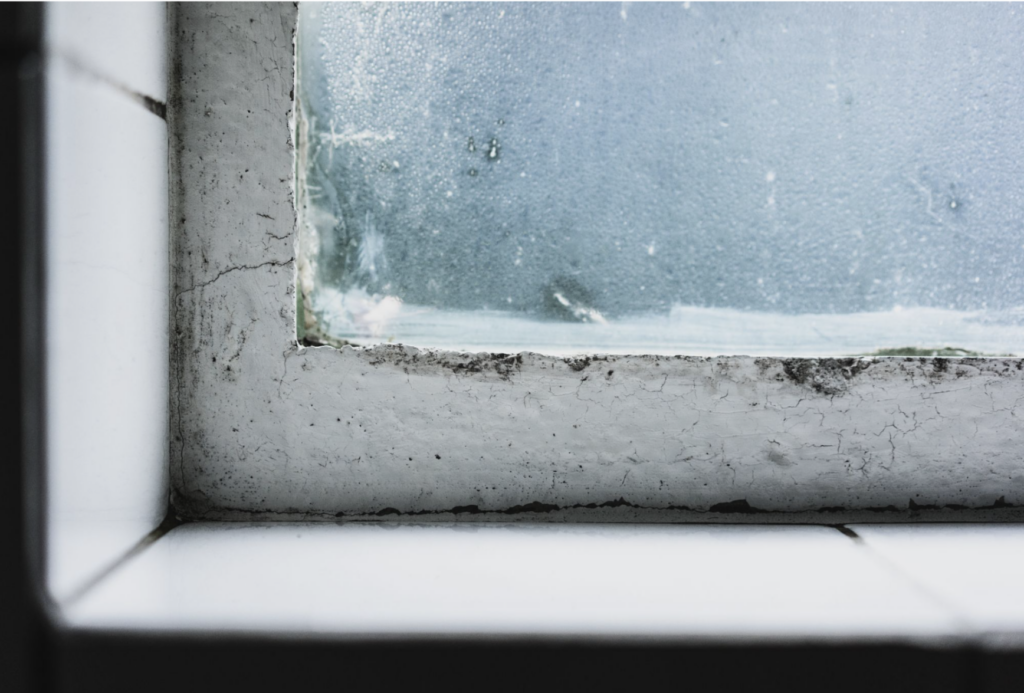
Seals around windows and doors deteriorate over time, and mastic can perish or crack. Gaps between frames and surrounding masonry allow wind-driven rain to penetrate weak points, particularly during storms.
Staining beneath window sills often signals water entry from above. In colder months, damp symptoms may worsen as rainfall increases and temperature drops. Checking seal condition and frame alignment forms part of routine property care. Small external repairs can prevent more extensive internal damage.
9. Plumbing Leaks Within Walls or Floors
Hidden plumbing leaks sometimes create unexplained damp patches that bear no link to weather conditions. Slow drips from central heating pipes, loose joints under sinks, or appliance hoses can release small amounts of water over extended periods.
Flooring may feel slightly spongy, or paint may bubble without visible surface cracks. If moisture appears consistently in one location, internal pipework warrants inspection. Identifying the source early limits structural impact and reduces repair costs later.
10. Failed or Saturated Cavity Wall Insulation
Cavity wall insulation works by filling the gap between external and internal walls, reducing heat loss and limiting condensation. Older or poorly installed materials can hold moisture if exposed to prolonged driving rain, particularly in open or coastal locations.
Symptoms may include damp patches at mid-wall height or walls feeling persistently cold. In such cases, specialist assessment becomes important. Home Energy Save GB carries out structured damp assessments to determine whether insulation remains effective or whether moisture transfer stems from another cause.
A home can feel damp for many different reasons, and identifying the cause often requires careful observation rather than quick assumptions. You might notice high humidity in house conditions, blocked drainage outside, or cold surfaces forming condensation. If the same question keeps coming back, why does my home feel damp, a closer look may help reveal what is happening.
Some issues have simple maintenance solutions, yet persistent damp patches on walls or recurring condensation problems that UK homeowners experience sometimes require professional investigation.
Home Energy Save GB provides structured surveys that help identify the underlying cause before recommending any repair work. If the investigation shows that moisture is entering the structure, targeted damp proofing solutions may sometimes be appropriate. If you would like practical guidance on what might be happening in your property, you can contact us to discuss the next steps.
