
A damp basement in July can feel confusing, almost unfair in a way, since sunshine sits outside yet moisture lingers below ground. Many homeowners quietly ask, why is my basement damp when the weather feels dry and warm upstairs. The reality is that basement damp in summer often links to air movement, soil moisture, or hidden structural pressure rather than fresh rainfall.
Basements behave differently from the rest of your home, since they sit below ground and hold cooler temperatures for longer. A patch of moisture might look serious at first glance, yet sometimes it forms from natural condensation rather than structural water ingress. Knowing the difference helps you respond calmly and avoid unnecessary disruption.
If symptoms feel persistent or unclear, Home Energy Save GB can assess what is really happening before small concerns turn into larger repair work.
1. Warm External Air Condensing on Cold Basement Walls
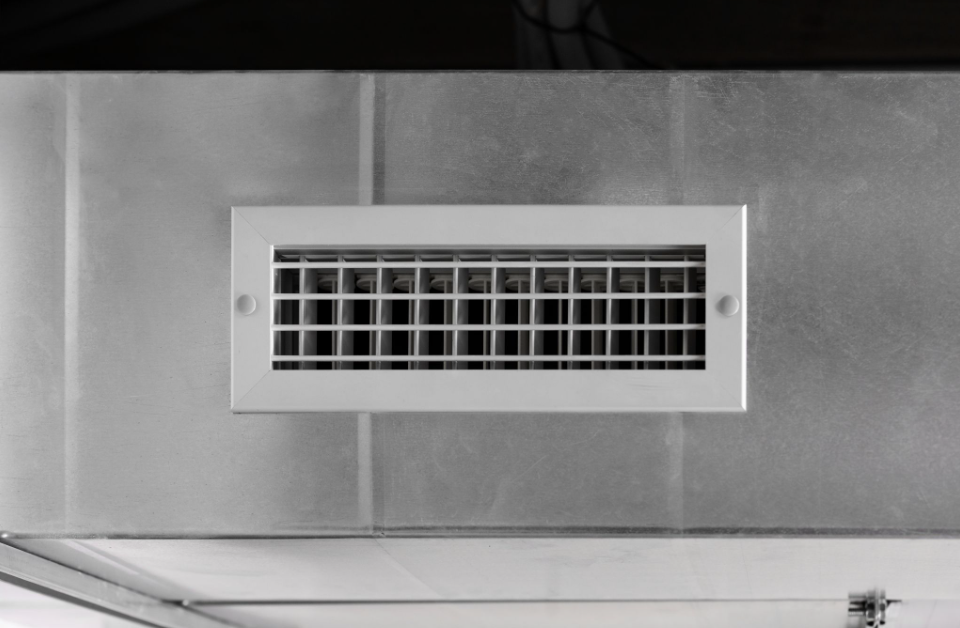
Summer air carries high humidity levels, so when that warm air drifts into a cool basement it cools quickly and releases moisture onto colder surfaces. Basement walls stay cooler than upper floors, since soil around them shields them from direct sun exposure.
This creates summer condensation in basement areas, particularly during humid spells. You might notice surface moisture, a light sheen on walls, or a damp smell without recent rainfall. This type of basement damp in summer usually sits on surfaces rather than soaking deeply into masonry.
Condensation forms from temperature difference, whereas structural ingress involves moisture forcing its way through the building fabric. That distinction matters. If you are unsure which issue you are facing, a professional inspection from Home Energy Save GB can clarify the source before assumptions lead to unnecessary work.
2. Poor Basement Ventilation
Basement air often remains trapped, especially in properties without windows or passive ventilation. Humid air enters, yet it has nowhere to escape, so moisture levels gradually build.
Sealed basement conversions can make this worse if airflow was not considered during renovation. Signs tend to include stale odours, mould forming in corners, or a heavy atmosphere that feels uncomfortable. These basement humidity problems do not always signal structural damp.
Balanced ventilation improves airflow without encouraging draughts. If airflow seems limited or mould returns repeatedly, Home Energy Save GB can assess ventilation performance and suggest practical next steps suited to your property.
3. High Groundwater Levels
Groundwater levels shift across seasons. Heavy spring rainfall can raise the water table well into early summer, even when surface conditions appear dry.
Basement walls remain in constant contact with surrounding soil, which often holds moisture below ground level. You may notice damp staining concentrated near the base of walls rather than higher sections. This pattern often differs from plumbing leaks, which usually follow pipe routes.
Among the common causes of damp in basements, seasonal groundwater remains a steady yet overlooked factor. A measured survey helps determine whether groundwater influence plays a role before internal treatments are considered.
4. Hydrostatic Pressure Against Foundation Walls
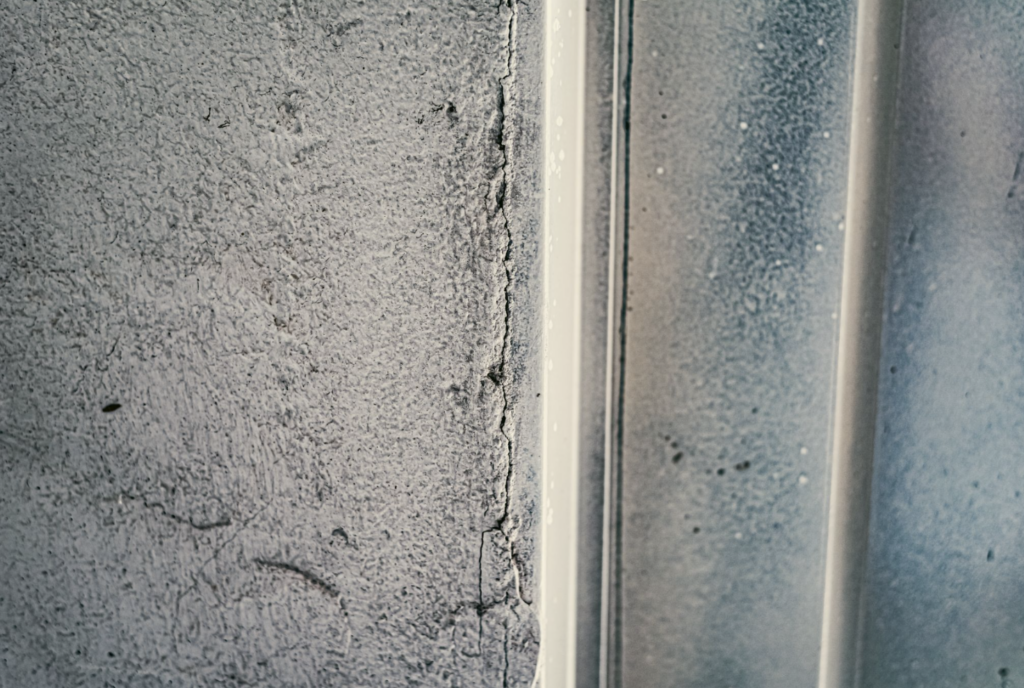
Hydrostatic pressure describes the force water-saturated soil exerts against foundation walls. After prolonged rainfall, soil absorbs water and expands slightly, increasing pressure against masonry.
Over time, that pressure pushes moisture through small pores, weak mortar joints, or tiny structural gaps. The phrase hydrostatic pressure basement walls may sound technical, yet the idea remains simple – water under pressure looks for a route inward.
Signs often include slow surface weeping or minor pooling at the floor-wall junction. Unlike condensation, this moisture can feel persistent and may leave light mineral deposits once dry.
If pressure-related damp seems likely, Home Energy Save GB can assess whether the issue relates to external conditions, internal defects, or both.
5. Cracked or Degraded Tanking Systems
Tanking systems create protective barriers along basement walls and floors to prevent moisture penetration. Over time, natural building movement can cause small cracks, or earlier installation work may have left vulnerable areas.
You might notice damp returning in isolated patches despite previous treatment. These symptoms often indicate basement waterproofing problems rather than entirely new moisture sources.
Before considering reapplication, a professional assessment determines whether the system failed fully or only in certain areas. Accurate diagnosis prevents unnecessary repeat work and protects long-term performance.
6. Blocked or Failed Drainage Systems
Perimeter drains and land drains divert water away from foundations. If these systems block with silt or debris, water accumulates around basement walls.
That accumulation increases pressure on masonry and can encourage moisture ingress. External clues might include pooling near the building or overflowing inspection chambers. Damp patches often intensify after rainfall yet linger into dry weather.
An external inspection identifies whether drainage flow remains effective. If drainage issues appear likely, Home Energy Save GB can advise on corrective action before internal damp symptoms escalate.
7. Bridged Damp Proof Membranes
A damp proof membrane, commonly called a DPM, blocks moisture rising through floors or walls. Bridging occurs when plaster, screed, or flooring materials connect across that barrier during renovations.
Moisture then bypasses the membrane and transfers into internal finishes. The result may resemble rising damp even though the original system remains intact.
Correct diagnosis matters here. Professional damp proofing assessment confirms whether bridging exists before recommending further damp proofing work. If needed, Home Energy Save GB can inspect and advise on appropriate damp proofing solutions suited to basements.
8. Leaking External Drainage or Gulleys
External drainage pipes close to basement walls can crack over time, particularly in older properties. Gulleys may shift or overflow, allowing water to collect beside foundations.
These leaks often remain hidden below ground, which makes detection difficult without specialist equipment. Damp may appear near service entry points or in isolated wall sections.
CCTV drain surveys can confirm concealed faults without invasive excavation. If moisture patterns seem localised or unusual, a structured inspection provides clarity before further damage develops.
9. Improperly Installed Basement Conversions
Some basement conversions focus heavily on layout and appearance, yet waterproofing detail may receive less attention. British Standard guidance outlines several waterproofing approaches, yet installation quality can vary.
Weak detailing around joints, service penetrations, or structural connections creates entry points for moisture. Damp patches may form behind plasterboard or newly finished walls months after completion.
A neutral inspection reviews installation methods and material condition without assigning blame. Home Energy Save GB offers experienced evaluation, helping homeowners understand whether corrective work is required and what level of intervention makes sense.
10. Seasonal Changes in Soil Moisture Content
Soil expands when wet and contracts as it dries. During summer, upper soil layers may dry in warm conditions, yet deeper layers often remain saturated from earlier rainfall.
This uneven moisture profile creates subtle ground movement. Minor shifts can form hairline cracks in masonry, allowing moisture to track inward.
These seasonal fluctuations explain why some homeowners notice basement dampness in summer rather than winter. The timing may feel surprising, yet the mechanism remains consistent with natural soil behaviour.
Summer basement damp often appears contradictory, since warm weather suggests dryness. In reality, temperature difference, soil pressure, ventilation limits, and hidden drainage faults can all contribute. Identifying the true cause matters far more than assuming the worst.
If damp marks persist, spread, or return repeatedly, a professional survey provides clarity without guesswork. Home Energy Save GB offers experienced inspections that pinpoint the source, so contact us today, and we can help outline practical next steps suited to your property.
