
Damp patches on walls, peeling paint and a faint musty smell can feel more than a little unsettling, particularly if you are unsure what sits behind the surface.
Resolving damp is rarely about one quick fix, yet many homeowners hope it might be as simple as repainting or improving airflow. In truth, damp behaves differently depending on its source, which means the path to putting it right depends entirely on correct identification.
Many properties across the UK show signs of moisture at some stage, especially older homes where materials have aged or building standards differ from modern expectations. Some symptoms look similar at first glance, yet the cause beneath can vary in significant ways. Rising damp moves upward through masonry, penetrating damp travels inward from external defects, and condensation forms from everyday living conditions.
This guide sets out how resolving damp works in practice. You will see how diagnosis shapes treatment, how recognised repair methods operate, and what realistic outcomes look like. The aim is clarity, confidence and steady decision-making, rather than rushed work that may only mask the issue.
Understanding the Type of Damp You Have
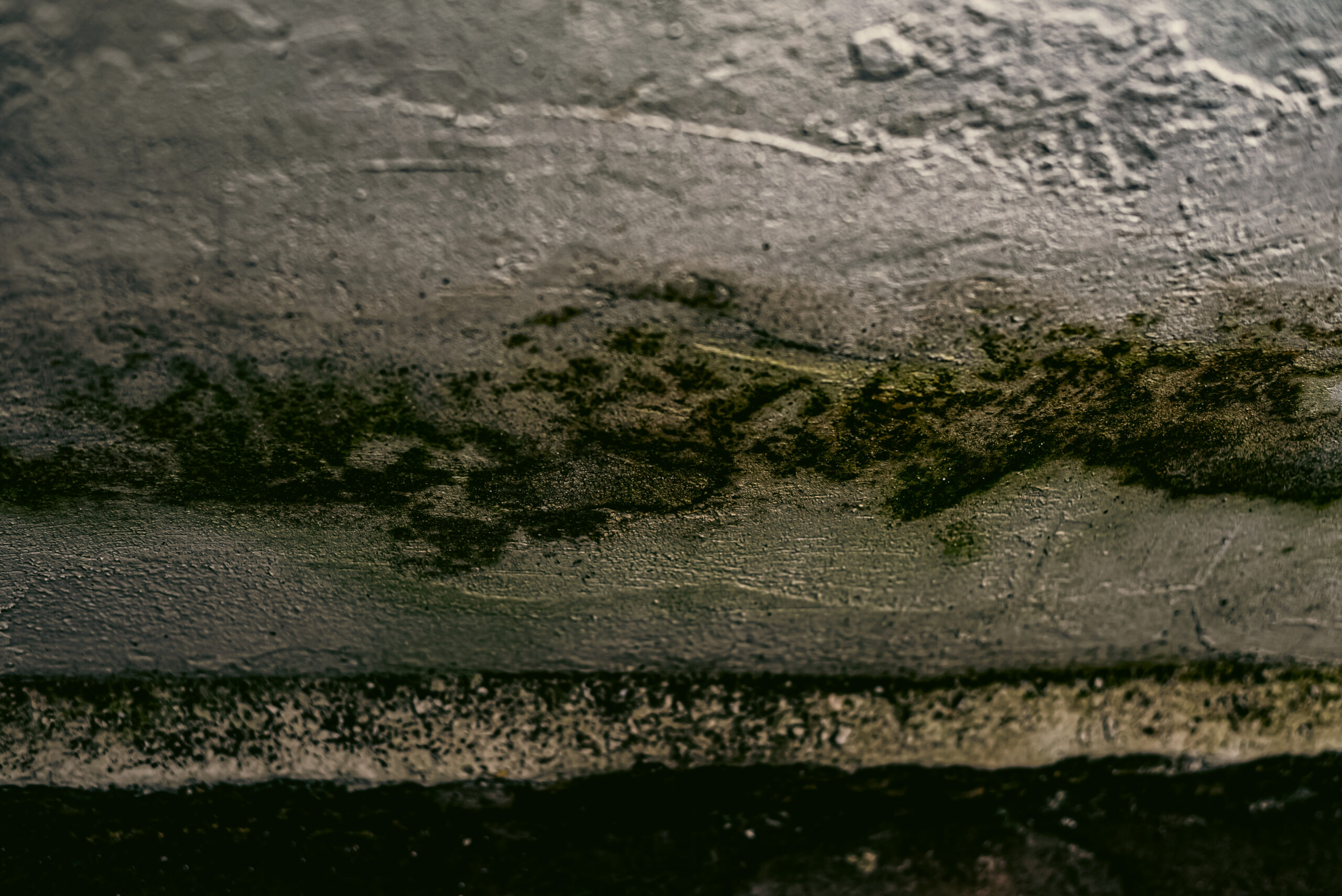
Before any repair begins, identifying the type of damp present is the foundation of resolving damp.
Three main categories appear in most domestic settings: rising damp, penetrating damp and condensation. Each has a distinct moisture source, which leads to different behaviour within walls and surfaces.
Rising damp occurs where ground moisture travels up through porous masonry. You might notice tide marks, crumbling skirting boards or a powdery residue on plaster at low level. Penetrating damp enters laterally through defects such as damaged brickwork, cracked render or faulty gutters. It often appears as isolated patches that worsen after heavy rainfall. Condensation forms when warm, moisture-laden air meets colder surfaces, leading to water droplets and black mould growth.
Although these categories sound clear in theory, symptoms can overlap in practice. Staining, blistering paint and damp smells appear across all three types. Treatment, however, depends entirely on the correct diagnosis. Applying a chemical damp-proof course to a condensation issue will not solve the underlying humidity problem. Replastering over salt contamination without addressing rising damp leaves moisture trapped.
Different moisture sources demand different repair strategies. Groundwater movement requires barrier systems and salt management. Rainwater ingress calls for structural repair. Internal humidity needs airflow and insulation adjustments. The wrong approach can increase cost, prolong disruption and leave homeowners frustrated.
A structured professional assessment sets the direction. Moisture readings, visual inspection and building fabric analysis combine to form a clear picture. Only once the source is confirmed can damp treatment solutions be recommended with confidence.
Why Correct Diagnosis Comes First
Misdiagnosis carries a financial risk that many homeowners underestimate. Paying for work that does not address the true moisture source often means paying again within months. Resolving damp begins with understanding how water enters and behaves within the building fabric, rather than reacting to surface damage alone.
Structural risk adds another layer of concern. If penetrating damp continues unchecked behind replastered walls, timber decay may develop quietly. If rising damp salts remain embedded, decorative finishes deteriorate repeatedly. Symptoms might look similar across cases, yet their movement patterns and long-term impact differ.
Moisture testing plays a key role at this stage. Surface readings, deeper probe measurements and inspection of external elevations help distinguish between upward moisture movement and lateral ingress. Experienced surveyors interpret these results in context, considering age, construction type and ventilation levels.
Home Energy Save GB carries out structured diagnostic surveys before recommending professional damp repair, which provides clarity for homeowners who want evidence rather than guesswork. A written report outlines findings, recommended works and expected outcomes, allowing informed decisions rather than pressure-led choices.
The Risks of Treating the Wrong Problem
Treating the wrong issue can create a chain of avoidable complications:
- Installing a chemical damp proof course where no rising damp exists may leave the original cause untouched.
- Replastering walls without removing moisture salts often results in staining reappearing.
- Adding ventilation units where structural defects allow rainwater in fails to stop penetrating damp.
- Repainting mould patches without addressing humidity encourages recurrence.
- Repeated disruption can leave homeowners feeling worn down and uncertain who to trust.
Educational awareness helps avoid these pitfalls. Correct identification protects both property structure and household peace of mind.
How Rising Damp Is Professionally Resolved
Rising damp treatment follows recognised processes that focus on stopping upward moisture movement and managing salt contamination. Resolving damp in this context involves more than injecting a barrier; it requires a combined approach that addresses both moisture control and internal finishes.
The first stage confirms that ground moisture rises through capillary action in the masonry. External ground levels are checked to confirm they sit below the internal floor level. Once the diagnosis is secure, a new damp proof course may be introduced where none exists or where the original barrier has failed.
Home Energy Save GB carries out rising damp treatment in line with relevant British Standards, which provides a framework for installation height, spacing and materials. The aim is to create a continuous barrier that restricts upward water movement.
Following installation, contaminated plaster is usually removed. Hygroscopic salts drawn up from the ground attract moisture from the air, which means leaving them in place can continue surface dampness even after the barrier is formed. Replastering then uses suitable renovating materials that allow controlled drying.
Drying time varies depending on wall thickness and severity. It can take weeks or, in some cases, several months for walls to reach stable moisture levels. Patience during this period supports long-term performance.
Damp Proof Course Installation
A chemical damp proof course involves injecting a water-repellent cream or fluid into a horizontal line within the mortar bed. This creates a barrier that reduces capillary rise. Installation suits properties where an original damp proof course is absent, bridged or deteriorated.
Small holes are drilled at consistent intervals along the chosen mortar course, usually close to internal floor level. The damp proofing material is then injected under controlled pressure or gravity feed, depending on the system. Correct height placement proves important, as positioning too low or too high reduces effectiveness.
After injection, the material disperses within the masonry and cures to form a resistant layer. Drying begins gradually once upward moisture movement decreases.
Salt Contaminated Plaster Removal
Ground salts carried by rising damp embed within plaster over time. These hygroscopic salts attract airborne moisture, leading to damp patches even when the wall behind starts to dry. Removing contaminated plaster reduces the risk of misleading symptoms.
Plaster is typically taken back to bare masonry at the low level, allowing the wall to breathe and dry. The removal depth depends on visible damage and moisture profile rather than a fixed universal measurement.
Surface preparation before replastering includes brushing down masonry and applying suitable bonding agents where required. This stage supports adhesion and performance of new materials.
Replastering to British Standards
Replastering uses renovating plaster systems designed to resist salt transfer and allow vapour movement. Following British Standard guidance supports consistency in material choice and application method.
Breathable finishes allow moisture to evaporate gradually without trapping it behind impermeable coatings. Decorative finishes should wait until moisture readings confirm sufficient drying, which protects against blistering and staining.
How Penetrating Damp Is Resolved
Penetrating damp repair focuses on stopping water from entering the building envelope. Resolving damp of this type begins outside, since rainwater ingress often drives the issue. Internal cosmetic repair without correcting the external defect rarely succeeds.
Professional damp specialists often examine both internal and external areas together, as the route water takes through a structure can differ from where the visible symptoms appear. Water follows the path of least resistance, which means even small defects can allow steady ingress over time.
Once the external source is addressed, internal areas are left to dry naturally. Repairing plaster or redecorating too early can trap residual moisture. Structural integrity and maintenance form the backbone of this approach.
External Repairs and Maintenance
Common external measures include:
- Repairing or replacing defective gutters and downpipes to direct rainwater away from walls.
- Repointing brickwork where mortar joints have eroded.
- Repairing flashing around chimneys and roof junctions.
- Restoring cracked or hollow render.
- Replacing slipped or broken roof tiles where water entry occurs.
These actions restore the building’s ability to shed water effectively.
Masonry Protection and Waterproofing
In certain cases, breathable water-repellent coatings may be appropriate. These treatments allow vapour to escape from within the wall yet reduce rain penetration from outside. Vapour permeability remains important, as sealing masonry with impermeable products can trap moisture.
Applied correctly, protective treatments can extend the lifespan of sound brickwork. They complement structural repair rather than replace it.
Internal Remedial Works
Internal repairs take place once moisture readings confirm drying. Damaged plaster is replaced, surfaces are prepared, and decorations restored. Allowing adequate drying time supports durability. Final checks verify that moisture levels remain stable before closing works.
How Condensation and Mould Problems Are Resolved
Condensation solutions for homes focus on reducing internal humidity and improving airflow. Resolving damp linked to condensation depends less on barriers and more on environmental balance.
Daily activities such as cooking, bathing and drying clothes release moisture into indoor air. When warm air meets colder surfaces, water droplets form. Over time, mould develops in corners, behind furniture and around window reveals.
Addressing condensation involves three strands: improving ventilation, reducing cold surfaces and maintaining consistent background airflow. Insulation upgrades and heating patterns play a role alongside extraction.
Improving Ventilation
Ventilation measures may include:
- Installing extractor fans in kitchens and bathrooms to remove moisture at source.
- Adding trickle vents to windows for steady airflow.
- Clearing and maintaining air bricks to support underfloor ventilation.
- Encouraging passive airflow through layout adjustments.
- Maintaining continuous low-level ventilation rather than intermittent bursts.
These changes lower relative humidity, reducing surface condensation.
Positive Input Ventilation Systems
Positive Input Ventilation systems introduce filtered air into the property from a central unit, typically located in the loft. The gentle airflow dilutes internal humidity and pushes stale air outward through natural leakage points.
PIV systems suit properties that are relatively airtight or recently insulated, where natural ventilation has reduced. By lowering humidity, mould growth decreases over time. Installation complements insulation improvements rather than replacing them.
Insulation Improvements
Cold bridging occurs where insulation gaps allow surfaces to cool below the dew point. Loft insulation upgrades reduce heat loss and warm ceiling surfaces. Wall insulation considerations depend on construction type and moisture profile.
Balancing insulation with ventilation remains important. Adding insulation without airflow can increase condensation risk. A coordinated plan supports healthier internal conditions.
Basement and Below Ground Waterproofing Solutions
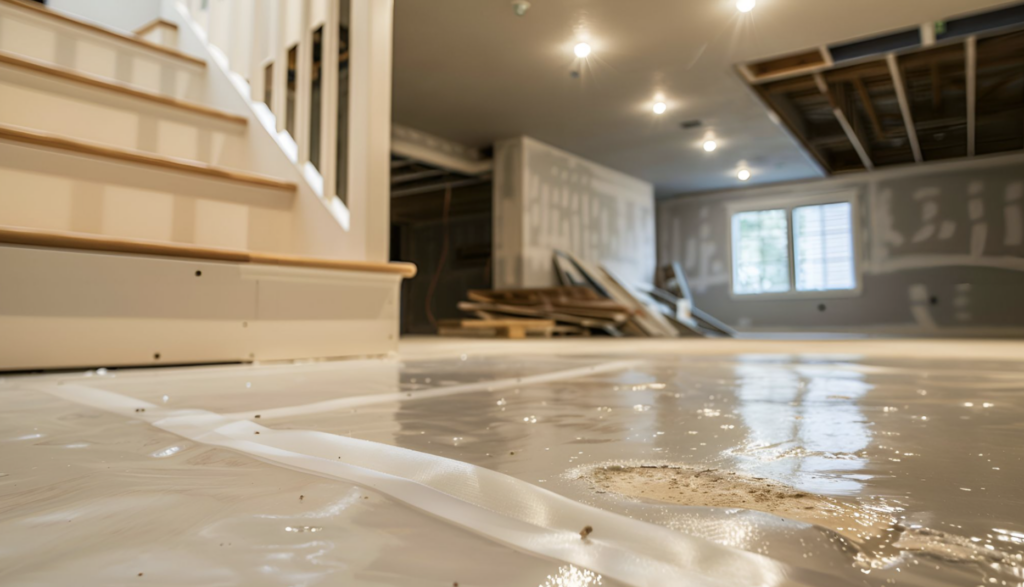
Below-ground spaces behave differently from above-ground walls. Damp proofing limits moisture movement, yet waterproofing manages water under pressure. Hydrostatic pressure builds when groundwater accumulates against basement walls, pushing moisture inward.
Resolving damp in basements often requires specialist systems designed to cope with constant moisture contact. The approach differs from simple rising damp treatment.
Cementitious Tanking
Cementitious tanking uses a slurry applied directly to masonry surfaces. Once cured, it forms a rigid barrier that resists water ingress. Suitable applications include cellars where structural movement is minimal.
Correct preparation proves important, as surfaces must be clean and sound. Limitations arise where movement cracks the barrier, which may allow water through if not addressed.
Cavity Drain Membrane Systems
Cavity drain membrane systems manage water rather than blocking it. A studded membrane fixes to walls and floors, creating a cavity through which water can travel safely to drainage channels.
Installation includes perimeter channels and, where required, sump pumps that remove collected water. This approach suits habitable basements, as it controls moisture without relying on a rigid barrier alone.
Repairing Structural Damage Caused by Damp
Long-term moisture can affect timber and finishes. Resolving damp includes addressing secondary damage once the moisture source is removed and drying is confirmed.
Timber decay occurs where persistent damp allows fungal growth. Some damage remains cosmetic, yet structural elements such as joists require careful assessment. Drying before repair prevents trapping moisture behind new materials.
Replacing Damaged Timber
Rotting skirting boards or joist ends may need replacement. Identifying the type of rot guides the extent of work. Ensuring the moisture source has been removed first protects new timber from repeat decay.
Plaster and Decorative Restoration
Replastering follows recognised standards and uses suitable breathable finishes. Breathable paints support evaporation, whereas vinyl wallpaper may restrict airflow in damp-prone areas. Patience during drying protects decorative investment.
How Long Damp Treatment Takes
Timeframes vary depending on damp type and severity. Installing a chemical damp proof course may take a few days on average property. External repairs for penetrating damp might extend across several days, depending on access.
Drying periods often last weeks or months. Wall thickness, seasonal temperature and ventilation levels influence speed. Winter conditions can slow evaporation, whereas warmer months support faster drying.
Setting realistic expectations avoids disappointment. Professional damp repair focuses on long-term stability rather than speed alone.
Costs Involved in Resolving Damp Issues
Costs depend on type, extent and property size. Minor gutter repairs cost far less than full rising damp treatment involving plaster replacement. Basement waterproofing systems require greater investment than localised condensation adjustments.
An accurate survey forms the basis of any quotation. Without inspection, fixed pricing claims lack context. Transparent reporting outlines recommended works and projected outcomes.
Resolving damp through proper diagnosis often protects property value and reduces repeat expenses. Temporary cosmetic fixes may appear cheaper at first glance, yet recurrence can increase total spend over time.
Choosing a Qualified Damp Specialist
Selecting a damp specialist UK homeowners can trust requires attention to accreditation, experience and communication. Resolving damp successfully depends on structured surveys, clear documentation and realistic guidance.
Home Energy Save GB supports homeowners through diagnosis, treatment and aftercare, delivering damp proofing services designed around the specific moisture source rather than a generic repair approach. A professional approach builds confidence for those who value reliability.
Accreditations and Guarantees
Look for recognised industry memberships and qualifications. Insurance-backed guarantees provide reassurance where applicable. Workmanship warranties outline the scope and duration of cover.
Survey Process Transparency
A thorough survey explains findings in clear language. Written reports detail moisture readings, recommended works and realistic timelines. Homeowners should feel able to ask questions and understand every stage of the process.
If you suspect damp in your property, arranging a professional damp survey can provide clear answers before any treatment begins. You can explore our damp proofing services or contact us at Home Energy Save GB to discuss your situation and receive practical guidance from an experienced specialist.
Resolving damp starts with accurate diagnosis and continues with carefully planned repairs that protect your home for the long term.
