
Damp Proofing Services
At Home Energy Save GB, we can expertly identify and treat all types of damp in accordance with British Standards, offering long-lasting solutions to protect your home from moisture damage and maintain a healthy, dry living environment.
WHY CHOOSE US?
- Experienced & Qualified Local Surveyors
- 40+ Years Experience
- KIWA Accredited
- 5 Star Google Reviews
- 25 Year Guarantee On All Services
Book your FREE Comprehensive Damp Survey now or call us on 0800 065 4044 to take the first step towards a drier and healthier home.
Book Your FREE Survey Here
Our Accreditations and Sponsors


Customer Reviews
EXCELLENTTrustindex verifies that the original source of the review is Google. Ellick , arrived punctually and was very thorough , helpful and informative . Highly recommend ,,, ask for ellick he's excellent and knows exactly what your home needs .Posted onTrustindex verifies that the original source of the review is Google. Rick, James, Ben and Alex were all great - personable, prompt, professional. Explained everything thoroughly. Were overly polite about asking to use the loo. Saved my house from getting wet through and falling down one day from now. Overall a very positive experience. If I forgot anyone's name specifically please don't inject the damp back into my walls as revenge.Posted onTrustindex verifies that the original source of the review is Google. Very impressed with the company from start to finish. The speed which it was done and everyone went above and beyond, would definitely have this company again. Special thanks to James, Nathan, Joel, kyle and Andrew.Posted onTrustindex verifies that the original source of the review is Google. Just had some insulation work done. Jim, Brandon, Joel and Kyle and the cavity wall guys (so sorry, we haven't got your names) worked very hard over three days and did a superb job. They were delightful to have on site, very helpful and obliging, tidy and with a decent taste in music. It was a pleasure to have them. The house is warmer already. We love our space-age loft! Thank you I also need to give a shout out to Sam, the surveyor who came to talk to us about what we wanted and what we needed. She was very thorough and made sure that we knew exactly what we were letting ourselves in for. She was delightful, very entertaining and had a fabulous array of stationery! She made us very confident.Posted onTrustindex verifies that the original source of the review is Google. Ric James Jack and Tom came to our property on time. They did a great job doing our dpc inside and out. quick and efficient very knowledgeable would definitely recommend this companyPosted onTrustindex verifies that the original source of the review is Google. Thorough and professional service, I have great confidence in the company.Posted onTrustindex verifies that the original source of the review is Google. Thank you to Simon B, Nathan and Steve. Came today and damp proofed my whole house. Arranged just a week ago and came today. Came with a 25 year guarantee. Great work. Thank you guys.Posted onTrustindex verifies that the original source of the review is Google. Johnny was very professional and explained the proposed work in detail. He provided expert advice and we are very pleased with what he suggested.Posted onTrustindex verifies that the original source of the review is Google. I couldn’t be happier with the damp proof course and weather treatment work carried out on my house. Ricky and his team were absolutely amazing from start to finish. The work took place over a few days and throughout the whole process they were polite, professional, and incredibly respectful of me, my property, and even my dog, who completely fell in love with Ricky. At the end of each day they took the time to show me the work they had done, made sure I was happy, and patiently answered all of my many questions. It was an absolute pleasure dealing with them. They explained everything clearly, worked efficiently, and the quality of the work is outstanding. I wouldn’t hesitate to recommend Ricky and the team to anyone. They did an amazing job!Posted onTrustindex verifies that the original source of the review is Google. Just had a damp course done today by Carl and Callum what fantastic lads really friendly cleaned up the mess left everywhere tidy put items back super lads 👍🏼thank you
What is the Damp Treatment Process?
1. Inspection and Diagnosis
We thoroughly inspect your property to identify the type and source of damp.
2. Bespoke Treatment Plan
Based on the diagnosis, we recommend the most effective damp proofing solution for your home.
3. Damp Proofing Application
Our team applies the chosen treatment, such as cream damp proof injections, membranes, or coatings, to eliminate damp.
4. Drying & Restoration
After treatment, we offer advice on drying out times and redecoration.
What is Damp Proofing?
Damp proofing is a method used to stop moisture from entering a building through walls or floors. It protects against issues like rising damp, penetrating damp, and condensation, which can cause mould, unpleasant smells, and damage to plaster, paint, or even the structure itself.
There are several ways to damp-proof a property, such as installing a damp proof course, applying waterproof membranes, or using tanking slurry. The right approach depends on the type and cause of the damp present.
Damp proofing helps keep a building dry, safe, and comfortable. It’s especially important in older buildings or properties in areas with high moisture levels. Tackling damp early prevents more serious and costly problems in the future.
Diagnosing Damp
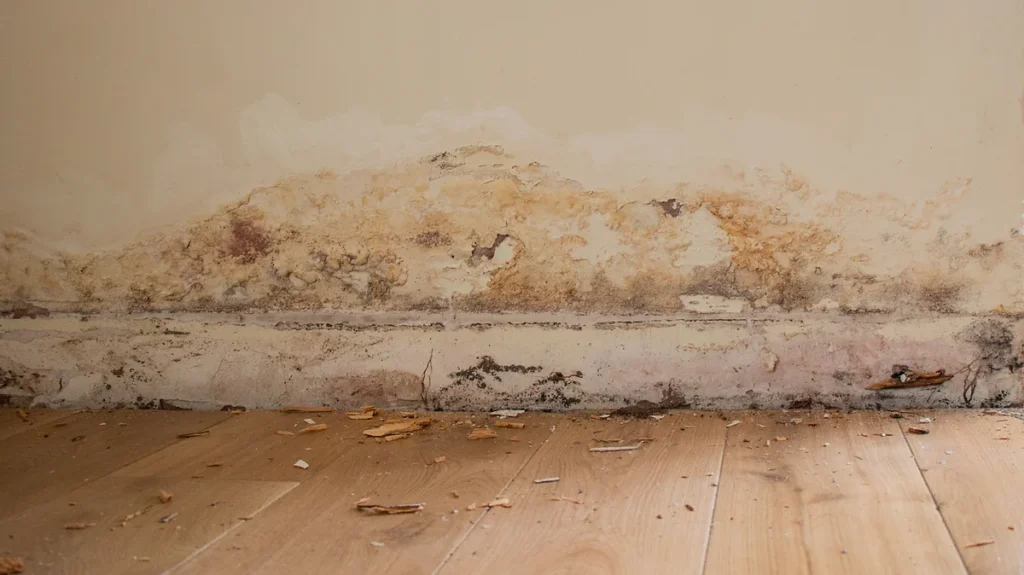
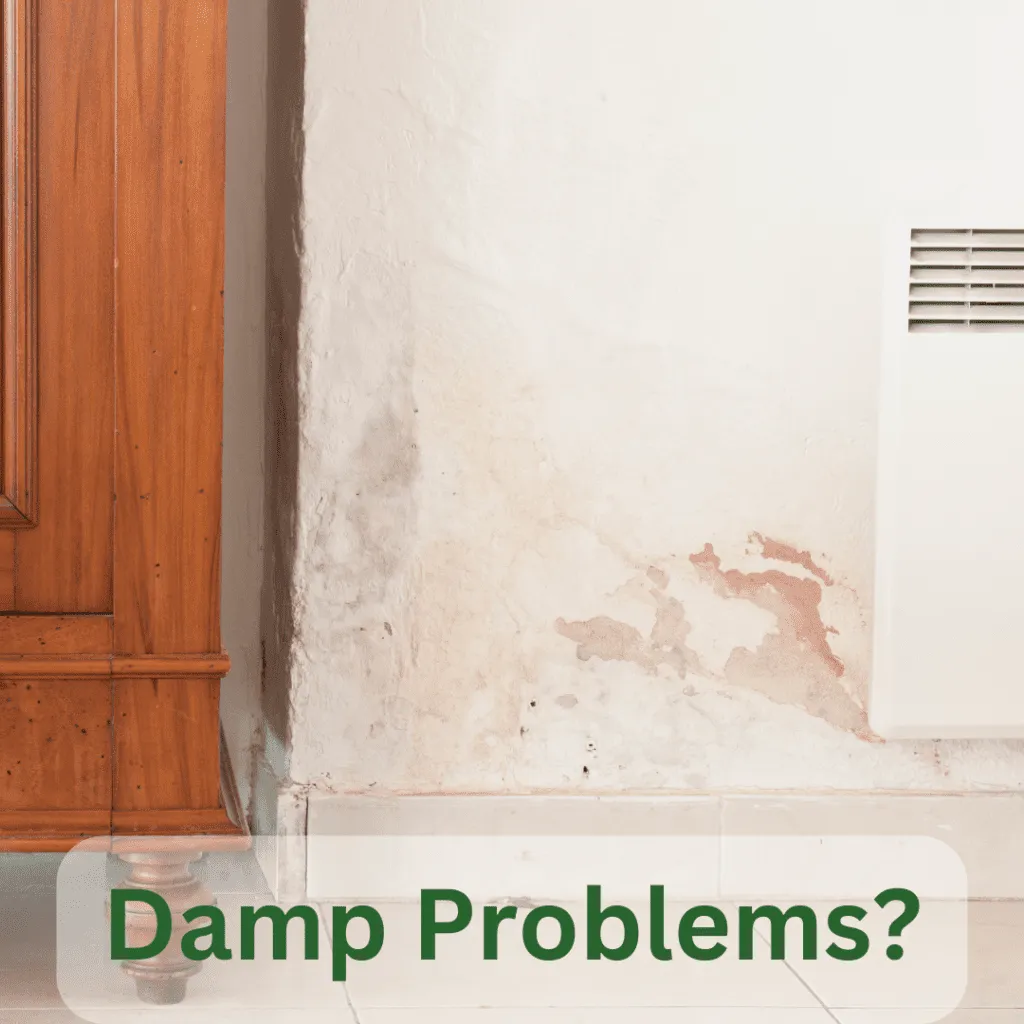
Diagnosing damp involves identifying the type, cause, and extent of moisture affecting a property. The three main types are rising damp, penetrating damp, and condensation, each with different symptoms and solutions. Common signs include tide marks on walls, peeling paint or wallpaper, black mould, and musty odours.
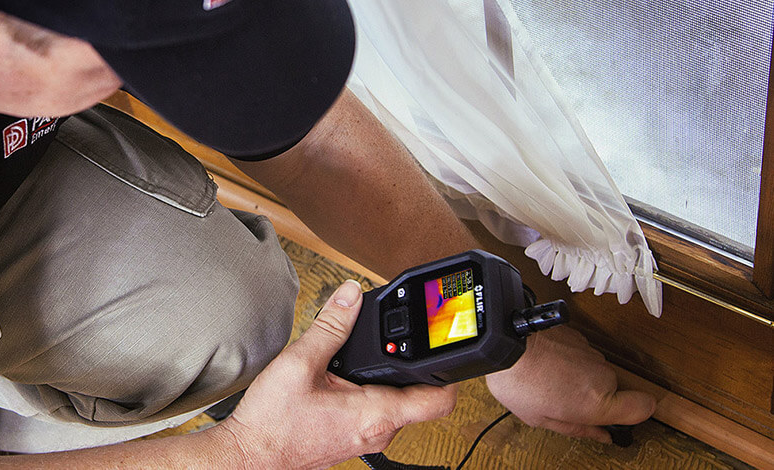
A thorough inspection will be carried out by our accredited assessors in accordance with BS 6576. This is essential to determine the source of the problem. This may include checking moisture levels in walls and floors, examining gutters and downpipes, and assessing ventilation.
Once the cause is identified, the appropriate treatment can be applied to stop the issue at its source and prevent further damage to the property.
Book a Free Damp Survey with Home Energy Save GB
Booking a free damp survey with Home Energy Save GB is the first step to protecting your home from damp issues. We will visit your property to carry out a thorough inspection, spotting any signs of damp and finding the cause. Our survey is completely free with no obligation, so we can recommend the best treatment tailored to your needs. Don’t wait for damp to cause costly damage. Get in touch with us today to arrange your free survey and keep your home dry, safe, and comfortable all year round.
Resolving Damp
Resolving damp starts with identifying the type and source of moisture, followed by applying the correct treatment to eliminate it. For rising damp, a common solution is installing or repairing a damp-proof course.
Penetrating damp often requires fixing external defects such as damaged brickwork or render and applying a waterproof coating
Condensation, another common issue, can be resolved by installing a PIV unit, improving ventilation, adding insulation
Each case of damp is different, so tailored solutions are essential. Resolving damp properly not only restores the building’s condition but also helps maintain a healthy, comfortable indoor environment.
Types of Damp
At Home Energy Save GB, we can expertly identify and treat all types of damp in accordance with British Standards, offering long-lasting solutions to protect your home from moisture damage and maintain a healthy, dry living environment.
Rising Damp
Rising damp happens when moisture from the ground slowly moves up through a building’s walls. It’s common in older homes that either don’t have a damp proof course or where it’s damaged. You might notice damp patches, peeling paint, or salt stains near the bottom of walls.
This kind of damp can cause plaster to crumble and lead to mould, making your home uncomfortable and unhealthy. Fixing rising damp usually means installing a new damp proof course and treating any plaster with materials that let the walls breathe. Catching and treating it early helps protect your home and keeps it dry.
Penetrating Damp
Penetrating damp occurs when water seeps through the walls from outside, often due to damaged brickwork, porous bricks or poor pointing. Unlike rising damp, it affects walls at any height, especially after heavy rain.
You might see wet patches, mould, or peeling paint on walls and ceilings. This type of damp can cause serious damage to both the structure and interior finishes if left untreated.
To fix penetrating damp, the source of water needs to be repaired, such as fixing any damaged brickwork or render and applying a micro-porous waterproof coating. Once the cause is resolved, affected areas can be dried and restored to keep your home safe and dry.
Condensation
Condensation happens when warm, moist air meets cold surfaces like windows or walls, causing water droplets to form. It’s one of the most common causes of damp in homes, especially in kitchens, bathrooms, and poorly ventilated rooms.
You might notice misty windows, damp patches, or black mould in corners and on walls. While it doesn’t damage the building itself, condensation can create an unhealthy environment, due to the mould, and cause damage to decorations and belongings.
The best way to reduce condensation is by installing a PIV to improve ventilation, having sufficient, good quality insulation, and controlling indoor humidity.


Our Damp Proofing Services
At Home Energy Save GB, we can expertly identify and treat all types of damp, offering long-lasting solutions to protect your home from moisture damage and maintain a healthy, dry living environment.
Energy Efficient Wall Coating
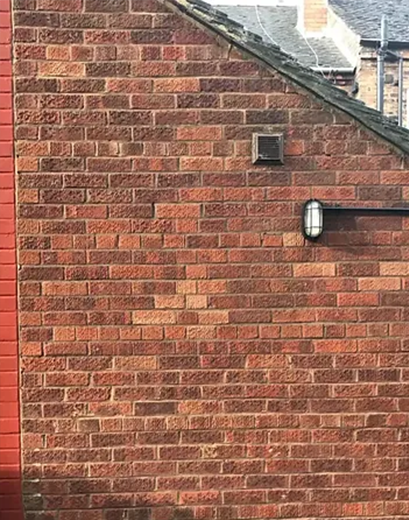
Energy-efficient wall coatings are a modern solution that helps protect your walls from damp while improving your home’s insulation. These specialised coatings create a breathable barrier that stops moisture from penetrating the walls, preventing issues like mould and damp patches. Unlike traditional damp proofing methods, energy-efficient coatings also reduce heat loss, helping to keep your home warmer and lowering energy bills.
Applied externally, these coatings are ideal for older properties or homes with damp problems caused by poor insulation. It requires specialist application with proper materials and processes, and requires minimal maintenance. Using wall coatings is a smart way to tackle damp whilst making your home more energy-efficient.
Elastomeric Energy Efficient Coating
Elastomeric energy-efficient coating is a high-performance solution designed to protect walls from damp while improving energy efficiency. This flexible, waterproof coating forms a durable barrier that prevents moisture from penetrating the surface, reducing problems like mould and damp stains. Its elastomeric properties allow it to expand and contract with the building, preventing cracks and maintaining long-lasting protection.
In addition to damp proofing, it provides excellent insulation, helping to keep your home warmer and reducing heating costs. The smooth, modern finish also enhances the appearance of your walls, giving the property a cleaner and more attractive look. Suitable for both internal and external walls, this coating is ideal for older properties or those prone to damp.
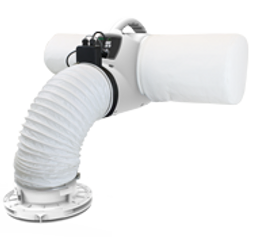
PIV Units
PIV units, or Positive Input Ventilation systems, are an effective way to reduce condensation and improve air quality in your home. They work by gently introducing fresh, filtered air into your property, pushing out damp, stale air and preventing moisture build-up on walls and ceilings.
By controlling humidity levels, PIV units help to reduce mould growth and keep your home healthier. They also improve energy efficiency by reducing the need for excessive heating caused by damp, cold air. Suitable for most homes, these units are easy to install and require minimal maintenance. Installing a PIV unit is a smart solution to tackle condensation and create a fresher, drier living environment.
Why You Should Book Professional Damp Proofing Services
Booking professional damp proofing services with us means you’re choosing experts who understand the causes and best solutions for all types of damp. We carry out thorough inspections to accurately diagnose the problem and use the most effective, long-lasting treatments for your home. All work is completed in line with the relevant British Standards, ensuring the highest level of safety, quality, and compliance throughout.
Trying to treat damp yourself can lead to mistakes and costly damage. With our professional service, you can be confident that the work meets industry standards, improves your home’s health, and helps maintain its value.
Frequently Asked Questions
What are the first signs of damp in a home?
Early signs of damp often include mould on walls or ceilings, a musty smell, peeling wallpaper, or cold and wet patches on internal walls. You may also notice condensation on windows most mornings. These symptoms are often overlooked until they worsen. At Home Energy Save GB, we recommend booking a free damp survey as soon as these signs appear so the underlying cause can be identified and treated correctly before further damage occurs.
Is condensation a form of damp?
Yes, condensation is one of the most common damp issues in UK homes. It forms when warm air meets cold surfaces, creating excess moisture that leads to mould growth. Bathrooms, kitchens, and bedrooms are often affected. While it may seem harmless, ongoing condensation can damage plaster and affect air quality. Home Energy Save GB offers free damp surveys to confirm whether condensation is the issue and advise on suitable ventilation or treatment options.
Can damp affect my health?
Yes, damp and mould can have a real impact on health, especially for children, older people, and those with asthma or allergies. Breathing in mould spores may cause respiratory issues, headaches, and ongoing irritation. Living in a damp home can also worsen existing conditions. At Home Energy Save GB, we take damp problems seriously and offer free damp surveys to help homeowners improve indoor conditions and protect household wellbeing.
How do I know what type of damp I have?
Different damp problems show similar symptoms, which makes self diagnosis difficult. Rising damp, penetrating damp, and condensation all require different treatments. Guessing the cause can lead to wasted money and unresolved issues. A professional assessment is always recommended. Home Energy Save GB provides free damp surveys where an experienced surveyor identifies the exact cause and explains the best next steps for your property.
Are damp problems expensive to fix?
The cost of damp treatment depends on the type of damp and how early it is addressed. Minor condensation issues may only need improved ventilation, while untreated rising damp can require more extensive work. Catching problems early usually keeps costs lower. This is why Home Energy Save GB offers free damp surveys, allowing homeowners to understand the issue clearly before committing to any work.
Can damp damage the structure of my home?
Yes, long term exposure to moisture can weaken timber, damage plaster, and affect brickwork. Damp can also lead to rot in floor joists and roof timbers if left untreated. Structural damage often develops slowly, making early detection important. At Home Energy Save GB, our free damp surveys are designed to identify risks early and help homeowners protect the condition and value of their property.
Do I need to move out during damp treatment?
In most cases, homeowners do not need to move out during damp proofing work. The level of disruption depends on the treatment required and the areas affected. Many solutions can be carried out while the property remains occupied. During your free damp survey, Home Energy Save GB will explain what the work involves, how long it may take, and what to expect so you can plan with confidence.
Is damp proofing the same as waterproofing?
Damp proofing focuses on controlling moisture within the structure, while waterproofing is designed to prevent water entry entirely in certain areas. The right approach depends on the problem and the property type. During a free damp survey, Home Energy Save GB will assess whether damp proofing, waterproofing, or a combination of solutions is most suitable for your home.
Can damp lower my property value?
Yes, visible damp and mould can put off buyers and reduce the value of a property. Survey results during a sale may also highlight damp issues that need resolving before completion. Booking a free damp survey with Home Energy Save GB allows homeowners to address problems early, helping to protect the condition and appeal of their home.
What happens after a free damp survey?
After your free damp survey, you will receive a clear explanation of the findings and the options available to resolve the issue. There is no obligation to proceed. At Home Energy Save GB, our goal is to help homeowners understand their damp problem fully and make informed decisions about protecting their home from further moisture damage.