
Wet Rot Services
At Home Energy Save GB, we accurately identify the source of excess moisture and deliver compliant wet rot treatments in line with British Standards. Our approach prevents further timber decay, improves ventilation where required, and helps maintain the long-term structural integrity of your property.
WHY CHOOSE US?
When it comes to wet rot and associated damp issues, trust Home Energy Save GB to diagnose the problem precisely and provide effective, long-lasting solutions backed by decades of industry experience.
- Experienced & Qualified Local Surveyors
- 40+ Years Experience
- KIWA Accredited
- 5 Star Google Reviews
- 25 Year Guarantee On All Services
Book your FREE comprehensive damp survey today or call us on 0800 065 4044 to take the first step towards a drier, healthier home.
Book Your FREE Survey Here
Our Accreditations and Sponsors


Customer Reviews
EXCELLENTTrustindex verifies that the original source of the review is Google. Just had damp proof tanking done, although there were a few glitches along the way ( due to the 4 stars )all were rectified and the finishing guys ( Dan and Ryan ) did a great jobPosted onTrustindex verifies that the original source of the review is Google. Steve came and gave us a free survey, was very friendly and helpful and told us why we need to do to fix it! Saved us a lot of money :)Posted onTrustindex verifies that the original source of the review is Google. Damp proofing done and I am happy with the great service and cleaned up afterwards. Thanks to Anthony and Ashley!Posted onTrustindex verifies that the original source of the review is Google. Had a damp proof course and a full chimney stack refurb. Great job, great lads, great price.Posted onTrustindex verifies that the original source of the review is Google. Arrived promptly, assessed work required and explained process well. Very pleasant, communicative. Tidy workmanship. Listened to customer and amended plans as needed. Very helpful.Posted onTrustindex verifies that the original source of the review is Google. A big thank to Kyle ,Joel and the guys for doing amazing job with the mould treatment on our house . Amazing team couldn't do enough for us. We would recommend.Posted onTrustindex verifies that the original source of the review is Google. Larry, what’s a wonderful guy? Very pleasant very professional…..Posted onTrustindex verifies that the original source of the review is Google. Had Joel Kyle Dylan and Craig from Home Energy Save GB quite literally saved my life today. Been utterly messed around with my insurance company who had promised to help with a claim. After a Google search, this company name came up and I called them. I wish I had found them earlier. Within minutes, my call was returned and an initial appointment made. I did not feel under any pressure to proceed and if anything, felt complete immediate relief. The gentlemen named above came out within a few days, arrived smartly on time and powered through a really tricky job with ease, passion and professionalism at all times. It has saved me from having another asthma attack and another bout of bronchitis. All of them went above and beyond and it was an absolute pleasure having them carry out the work. Wholeheartedly recommend. The whole experience has quite literally saved my life. Top marks to all.Posted onTrustindex verifies that the original source of the review is Google. Just had Larry round, what a lovely guy, very professional very knowledgeable, would highly recommend this company.....Posted onTrustindex verifies that the original source of the review is Google. lovely meeting Gareth this morning. He was polite and knowledgeable giving me lots of information on my property and how I can make it energy efficient and how to treat and get rid of the awful mould which we have lived with for years... thank you for your time and hopefully I will be contacting you to start the work necessary.
Causes of Wet Rot
Poor Ventilation
Lack of proper airflow traps moisture inside your home, creating damp conditions where fungi can thrive. Poor ventilation in areas like basements and cupboards encourages wet rot development in timber.
Leaking Pipes or Roofs
Water leaks from damaged pipes, gutters, or roofs cause persistent dampness. This moisture soaks into timber, providing the perfect environment for wet rot fungi to grow and damage your wood.
Rising Damp
Rising damp occurs when moisture from the ground moves up through walls and floors. This moisture can reach timber structures, causing them to stay wet and vulnerable to wet rot decay.
Faulty Drainage
Blocked or ineffective drainage systems cause water to pool near your home’s foundations or walls. This constant dampness encourages fungal growth and increases the risk of wet rot in timber nearby.
Penetrating Damp
Penetrating damp occurs when water enters through external walls or roofs, causing damp patches, mould, and damage to plaster, brickwork, and internal finishes.

What is Wet Rot?
Wet rot is a type of wood decay caused by fungi that thrive in damp conditions. It typically affects timber that has been exposed to persistent moisture, often due to leaks, poor ventilation, penetrating damp or rising damp. Unlike dry rot, wet rot does not spread as quickly, but can still cause significant structural damage if left untreated. Common signs include soft, spongy wood, discolouration, and a musty smell.
At Home Energy Save GB, we specialise in identifying the source of moisture and treating wet rot effectively to protect your property and restore the affected timber, ensuring a safe and dry environment.
What is the Wet Rot Treatment Process?
1. Inspection and Assessment
We carefully inspect the affected areas to identify the extent of the wet rot and locate the source of moisture. This helps us plan an effective treatment tailored to your property’s needs.
2. Moisture Source Removal
Next, we eliminate the cause of dampness, such as repairing leaks, improving ventilation, eradicating rising damp, addressing penetrating damp or fixing drainage issues. Removing moisture is essential to prevent the wet rot from returning after treatment.
3. Timber Treatment and Repair
We treat the affected timber with specialised fungicidal products to stop fungal growth. Where necessary, damaged wood is repaired or replaced to restore structural integrity and safety.
4. Prevention and Monitoring
Finally, we provide advice on preventing future damp problems and may carry out regular checks. This ensures your home stays dry and protected from wet rot over the long term.
Signs You Have Wet Rot in Your Home
Soft or Spongy Wood
If timber feels soft, spongy, or crumbly when pressed, it may be suffering from wet rot. This deterioration happens because moisture breaks down the wood fibres over time.
Discoloured or Darkened Wood
Wet rot often causes timber to darken or stain with brown or black patches. These discolourations indicate fungal activity and prolonged exposure to damp conditions.
Musty or Damp Smell
A persistent musty, mouldy, or damp smell near wooden areas can signal wet rot. The fungi responsible for decay release this characteristic odour as they grow.
Peeling or Bubbling Paint
If paint or varnish on wooden surfaces peels, bubbles, or blisters, it could be due to trapped moisture beneath, which encourages wet rot development in the timber.
Warped or Cracked Wood
Wet rot weakens timber, causing it to warp, crack, or split. These changes in shape happen as the wood loses strength and dries unevenly after fungal attack.
Visible Fungal Growth
In some cases, you may see white or grey fungal patches on or near affected timber. This visible growth is a clear sign of wet rot infection in your home.
Free Wet Rot Timber Survey with Home Energy Save GB
At Home Energy Save GB, we offer a free wet rot timber survey to help you identify any hidden damp or timber decay in your home. Our expert surveyors thoroughly inspect your property, assessing timber condition and locating sources of moisture that may cause wet rot. Early detection is key to preventing costly repairs and maintaining your home’s structural integrity.

Our Latest Penetrating Damp Blogs
Why You Should Book Professional Wet Rot Treatment Services
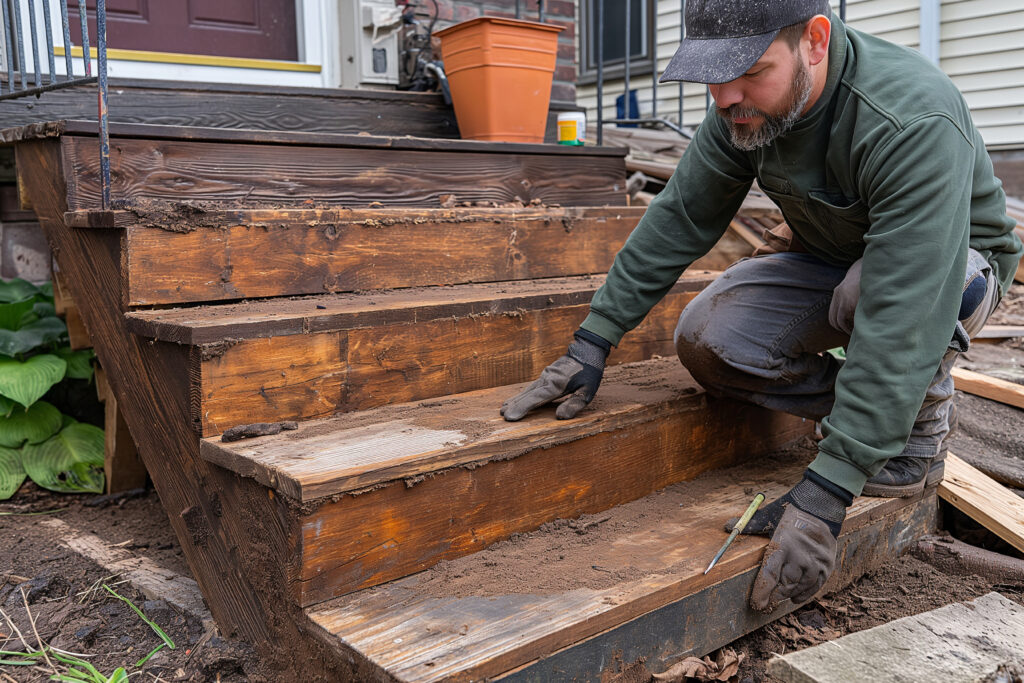
Booking professional wet rot treatment services ensures the problem is thoroughly identified and effectively treated to prevent further damage. Experts at Home Energy Save GB use specialised knowledge and equipment to locate hidden damp sources and apply the right treatments safely. DIY attempts often miss underlying causes or fail to fully eliminate fungi, leading to costly repairs later.
Professionals also restore damaged timber properly, maintaining your home’s structural integrity. With expert advice on prevention and ongoing monitoring, professional treatment offers long-term protection, peace of mind, and helps retain your property’s value by tackling wet rot quickly and efficiently.
Frequently Asked Questions
What is wet rot, and how does it differ from dry rot?
Wet rot is a fungal decay of timber caused by prolonged exposure to moisture. Unlike dry rot, which spreads quickly and can affect large areas, wet rot develops more slowly and tends to stay close to the damp source. Wet rot weakens wood by breaking down its fibres, making it soft and spongy. It usually appears where timber has been in contact with water, such as around leaking pipes or poorly ventilated areas. Both require treatment, but wet rot is generally less aggressive and easier to manage if caught early.
How can I tell if I have wet rot in my home?
Common signs of wet rot include soft or spongy wood, dark or discoloured patches on timber, a musty smell, peeling or blistering paint, warped or cracked wood, and sometimes visible fungal growth. These symptoms usually appear in damp areas like window frames, skirting boards, or floor joists. If you notice any of these signs, it’s important to act quickly and get a professional survey. Early detection can prevent further damage and save you money on costly repairs later.
What causes wet rot in timber?
Wet rot is caused by timber remaining damp for extended periods. Common causes include poor ventilation, leaks from pipes or roofs, rising damp from the ground, and faulty drainage that allows water to pool near timber structures. Moisture creates ideal conditions for the fungi to grow and break down the wood fibres. Addressing the moisture source is essential to prevent wet rot and protect your property’s structural integrity.
Can wet rot spread to other parts of my house?
Wet rot does not spread as aggressively as dry rot, but it can still affect adjacent timber if the damp conditions persist. The fungus needs moisture to survive, so if the source of dampness remains, wet rot may develop in nearby wood. That’s why it’s crucial to identify and fix the moisture problem and treat affected timber promptly to stop further damage.
Is wet rot dangerous to the structure of my home?
Yes, wet rot can weaken timber by breaking down its structure, which may compromise the stability of affected areas if left untreated. While it tends to cause localised damage, the affected wood can become soft and brittle, leading to potential safety hazards. Early detection and treatment are important to preserve your home’s integrity and prevent costly repairs or structural failure.
Can I treat wet rot myself?
While minor wet rot can sometimes be treated with DIY fungicidal products, it’s generally best to seek professional help. Wet rot often involves hidden moisture problems and structural damage that require expert assessment and repair. Incorrect treatment or failure to address the underlying cause can result in ongoing issues, wasted time, and higher costs. Professionals have the tools and knowledge to safely and effectively treat wet rot and prevent its return.
What areas of a home are most vulnerable to wet rot?
Wet rot commonly affects timber in areas prone to dampness, such as window and door frames, skirting boards, floor joists, roof timbers, and around leaking pipes or gutters. Poorly ventilated spaces like basements, cupboards, and underfloor voids are also at risk. Regular inspection of these vulnerable areas can help detect wet rot early and prevent serious damage.
Will wet rot affect furniture as well as structural timber?
Wet rot primarily affects structural timber within the building, such as joists and frames. However, furniture made from untreated wood can also be vulnerable if exposed to damp conditions for long periods. It’s important to maintain a dry environment and good ventilation to protect both your home’s structure and wooden furniture from fungal decay.
How can I prevent wet rot in my home?
Preventing wet rot centres on controlling moisture levels. Ensure good ventilation throughout your property, fix leaks promptly, keep gutters and drains clear, and maintain damp-proof courses. Regularly inspect vulnerable timber areas for early signs of damp or decay. Using treated timber in vulnerable locations can also help reduce the risk of wet rot developing.