
Many homeowners link mould with cold months, yet this belief misses a key detail about how it forms. Warm weather can create indoor conditions that suit mould just as much as winter does.
Homes, particularly those with limited airflow, may trap moisture during summer, which then settles into walls, corners, and hidden spaces, something often identified during property assessments from providers like Home Energy Save GB.
This misunderstanding, nearly universal, leads people to relax prevention efforts once temperatures rise. Mould, however, responds to moisture levels rather than season alone.
This article explains why growth continues in warmer months and outlines how to reduce the risk before it becomes a visible or persistent issue.
Why Mould Is Not Just a Winter Problem
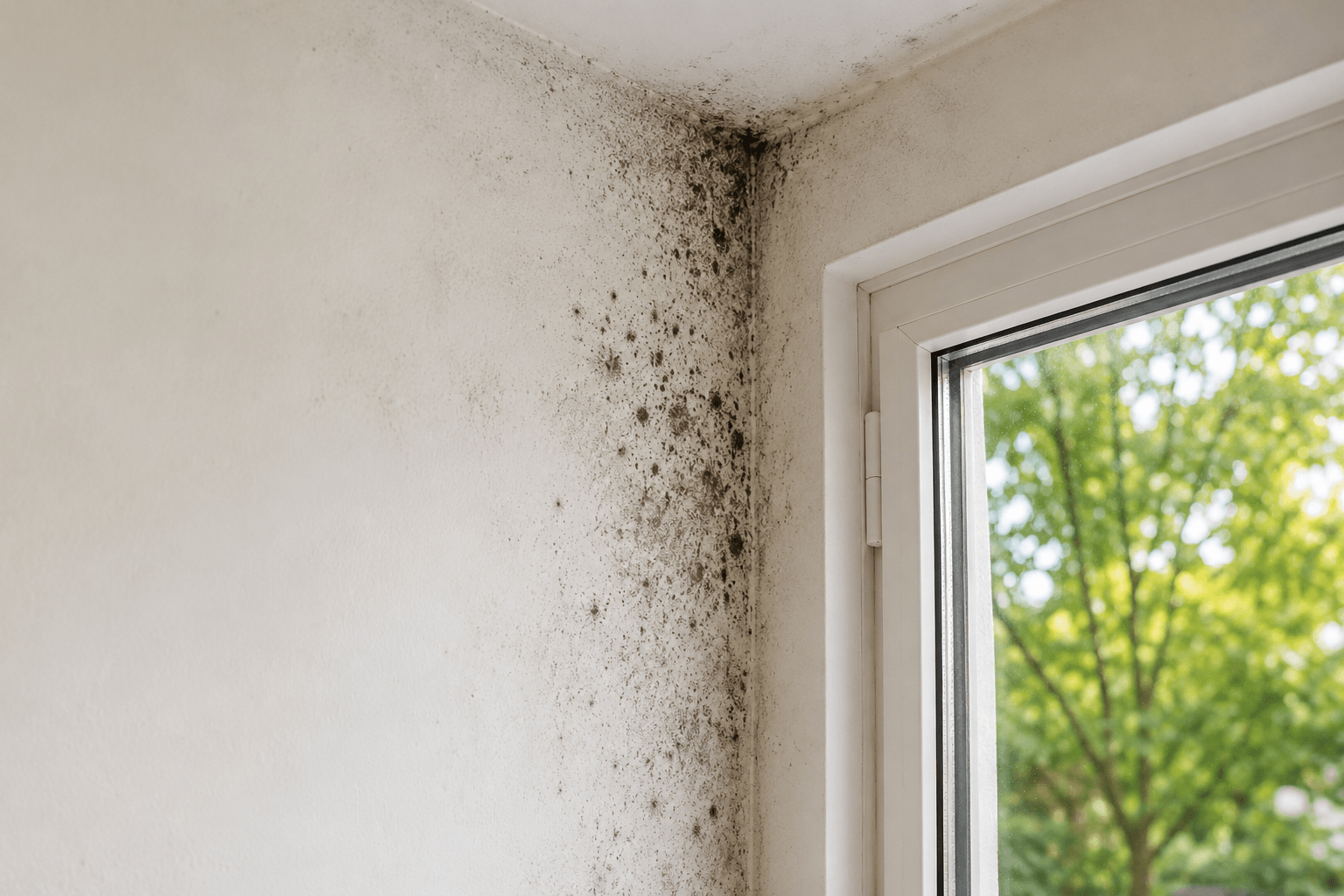
Cold weather gets the blame for mould, mainly where condensation forms on cooler indoor surfaces.
Many homeowners connect damp patches with heating patterns and reduced winter ventilation. Mould, however, relies on moisture rather than low temperatures alone. Homes, particularly those with limited airflow, can hold moisture throughout the year, with underlying moisture issues often uncovered during surveys carried out by Home Energy Save GB.
Warm months, in some respects, still allow humidity to build indoors, especially after daily activities. Air, once saturated, settles onto walls and hidden areas where moisture remains trapped. This environment supports mould growth regardless of season. The belief that mould fades in summer, nearly always, leads to missed early signs and delayed action.
What Conditions Does Mould Need to Grow
Mould growth depends on a small set of environmental factors rather than seasonal change alone.
- Moisture provides the foundation for mould to develop and spread across surfaces.
- Warmth supports faster growth when moisture already exists indoors.
- Poor ventilation allows damp air to settle and remain trapped in rooms.
These conditions, taken together, appear in many homes during summer, which explains why mould can persist beyond colder months.
How Warm Weather Can Still Lead to Indoor Moisture Problems
Warm air holds more moisture than cooler air, which raises indoor humidity levels during summer. Homes, particularly those with closed windows or limited airflow, may trap this moisture inside. Everyday living spaces, in that case, become slightly humid without clear warning signs.
Moisture, once present, settles onto walls, ceilings, and soft furnishings. This build-up, over time, creates an environment where mould can begin to form quietly. Summer conditions, rather than preventing damp, can increase the amount of moisture circulating indoors.
Why Poor Ventilation Can Encourage Mould in Summer
Airflow helps remove excess moisture from indoor spaces before it settles. Homes, especially modern or well-sealed ones, sometimes limit natural ventilation during warmer months. Windows may stay closed for security or noise reasons, which reduces fresh air movement. Extractor fans, in many cases, get used less frequently outside of winter routines.
Stagnant air, under these conditions, allows moisture to remain suspended and collect on surfaces. Without consistent airflow, damp patches begin to form, creating an environment where mould can develop unnoticed.
How Everyday Activities Can Feed Mould Growth in Warmer Months
Daily routines introduce moisture into the home regardless of the season.
- Cooking, for example, releases steam into the air, especially in enclosed kitchen spaces.
- Showering fills bathrooms with warm moisture that lingers without proper ventilation.
- Drying clothes indoors, still common, adds a steady level of humidity into surrounding rooms.
These activities, repeated across the day, gradually raise indoor moisture levels. Air, once saturated, settles onto cooler surfaces where damp begins to form. This build-up, over time, creates conditions that allow mould to grow and remain active.
Where Mould Commonly Appears During Spring and Summer
Certain areas of the home provide the right balance of moisture and limited airflow.
- Bathrooms trap steam and retain damp surfaces after use.
- Kitchens, in many homes, experience repeated moisture from cooking activities.
- Behind furniture, particularly large items against external walls, airflow tends to be restricted.
- Poorly ventilated rooms, such as spare bedrooms, may remain closed for long periods.
These spaces, taken together, create hidden pockets where mould can grow without immediate visibility.
Signs That Mould Is Still Active in Warm Weather
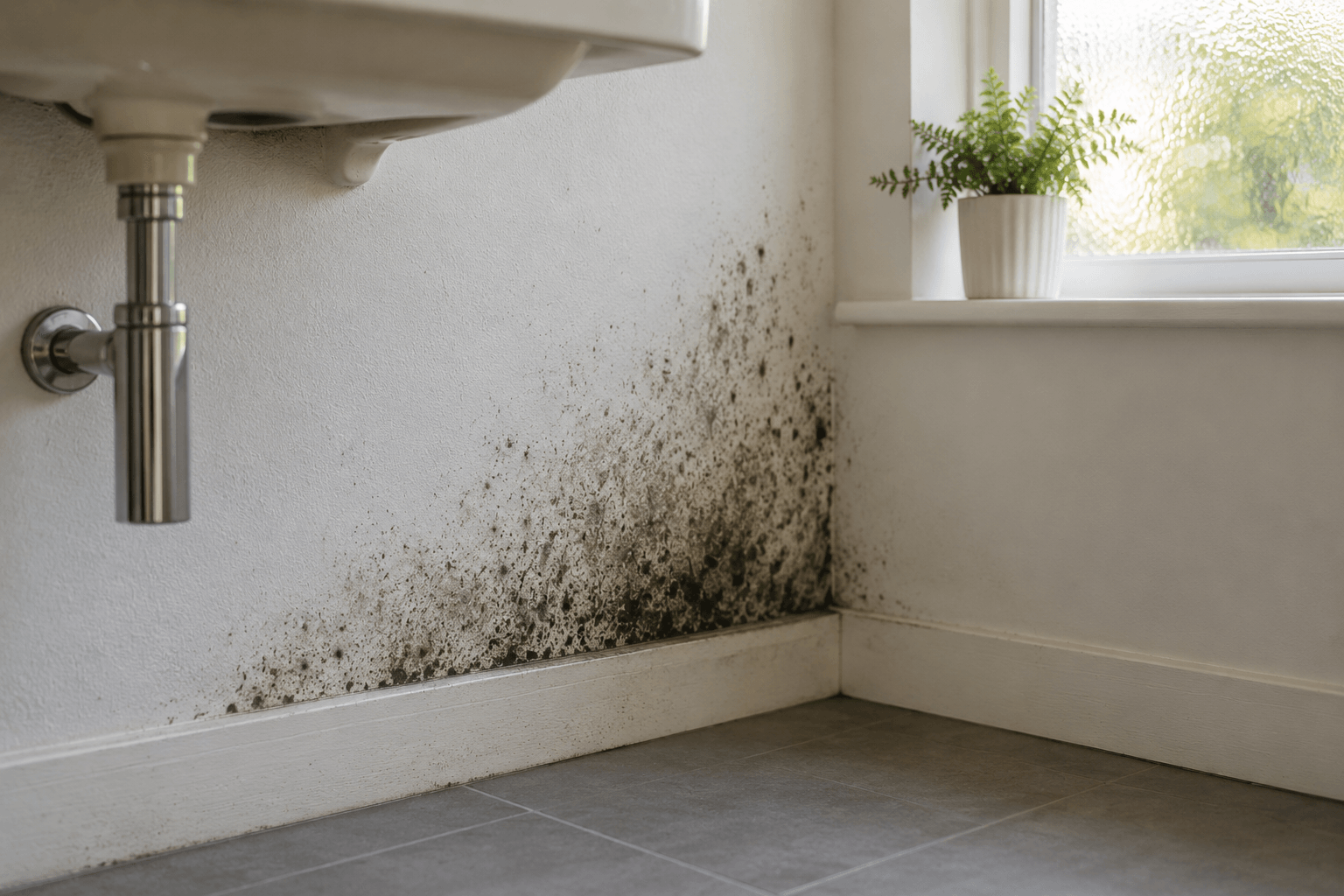
Early indicators appear before larger patches become visible across surfaces.
- Musty smells suggest moisture remains trapped within walls or soft furnishings.
- Small dark spots, at first, tend to form in corners, around window frames, or along ceilings.
- Damp patches sometimes develop where moisture collects repeatedly over time.
- Condensation, even during warmer periods, appears on glass or cooler areas within the home.
These signs, taken together, point to ongoing moisture issues that allow mould to remain active. Spotting them early helps limit spread and reduce long-term damage.
How to Reduce the Risk of Mould Growth All Year Round
Prevention depends on managing moisture and improving airflow across the home.
- Improve ventilation by opening windows regularly, particularly after cooking or bathing.
- Use extractor fans consistently, especially in kitchens and bathrooms.
- Avoid drying clothes indoors where possible, or increase airflow during drying.
- Maintain airflow by keeping space between furniture and walls.
Insulation and moisture control measures, over time, help regulate indoor conditions more effectively. Consistent action throughout the year reduces the chance of mould forming in both cold and warm periods.
When to Consider Professional Help
Recurring mould points to a deeper issue within the property.
Patches that return after cleaning suggest moisture remains present beneath the surface. Persistent smells, in many cases, indicate hidden damp that requires proper assessment. Whilst spreading areas of mould, particularly across multiple rooms, may reflect ventilation or structural concerns.
A professional inspection helps identify the root cause rather than treating surface symptoms.
Homeowners can explore tailored support through mould treatment services, or choose to contact us for a survey that identifies the underlying issue before it worsens, with services like ours at Home Energy Save GB helping pinpoint the cause before recommending the right solution.
