
Mould can seem like a minor issue at first, nearly like a cosmetic mark on a wall or ceiling, yet its presence can point to something more serious within the home.
Many households live with small patches for months, sometimes longer, without linking them to how they feel day to day.
Irritated eyes, a blocked nose, or a lingering cough may appear unrelated, yet indoor air quality plays a quiet role in all of this, something often picked up during detailed home assessments from providers like Home Energy Save GB
Our guide explains what mould can do to your health, helping you recognise early signs, understand possible effects, and take steps to protect both your living space and wellbeing.
Why Mould in the Home Should Never Be Ignored
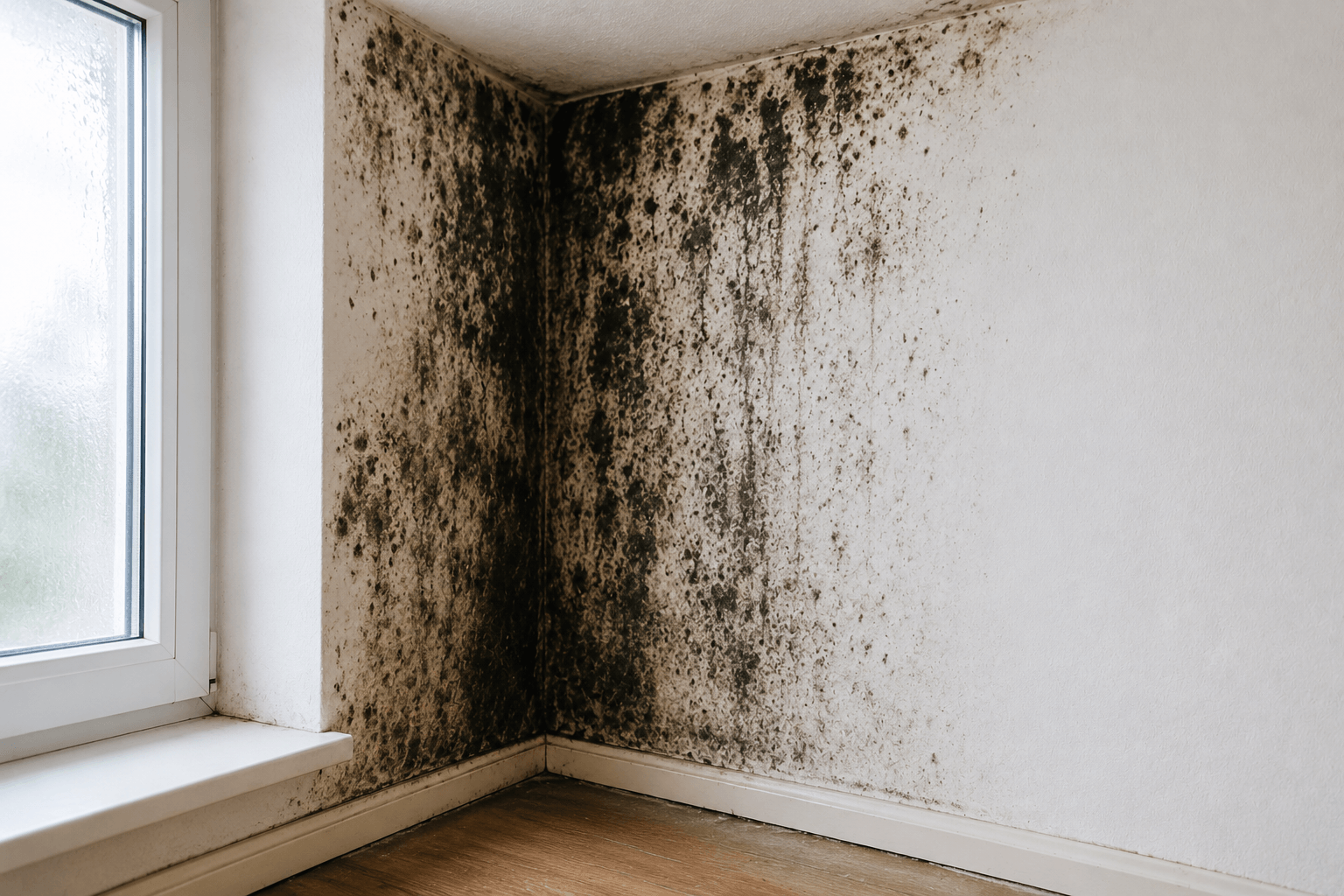
Mould growth usually signals excess moisture, which tends to build from condensation, leaks, or limited airflow within the property.
Once it forms, it rarely remains in one place, instead spreading across surfaces and into hidden areas such as behind furniture or within walls, with underlying causes typically identified through professional surveys such as those carried out by Home Energy Save GB
Small patches may appear minor at first, yet they can point to a wider issue affecting both the structure and indoor air quality. Over time, untreated damp and mould health problems may become more noticeable, reducing comfort and increasing repair needs. Early action helps limit further spread and supports a healthier, more stable home environment.
How Mould Can Irritate the Eyes, Nose and Throat
Mould releases tiny spores into the air, which can settle in the nose, throat, and eyes when breathed in over time. These particles may cause irritation, particularly in enclosed spaces where ventilation is limited.
- Itchy or watery eyes
- Runny or blocked nose
- Dry or sore throat
These symptoms may persist indoors and ease when spending time outside, which can make them easy to overlook at first.
How Mould Can Trigger Coughing, Wheezing and Breathing Difficulties
Airborne spores can irritate the respiratory system, especially where airflow remains restricted. Rooms with limited ventilation may allow particles to linger, increasing exposure across longer periods.
- Persistent cough
- Wheezing
- Shortness of breath
These effects can feel more noticeable during colder months, when windows stay closed and indoor air circulation reduces.
How Exposure Can Make Asthma and Allergies Worse
For individuals living with asthma or allergies, mould exposure may increase sensitivity within the airways over time. Spores released into the air can irritate already reactive systems, which may lead to more frequent or noticeable symptoms indoors. This can include tighter breathing, increased discomfort, or reactions that take longer to settle.
Repeated exposure may gradually lower tolerance, making everyday environments feel less comfortable than before. Households managing existing conditions may begin to notice patterns linked to certain rooms or times of day, especially where damp remains present and untreated within the home.
How Mould Can Affect Sleep, Comfort and Everyday Wellbeing
Indoor air quality shapes how a home feels across the day, and mould can quietly disrupt that balance over time. Musty odours may build within affected rooms, creating an environment that feels unpleasant to relax in or spend long periods within.
Breathing irritation or nasal congestion may become more noticeable at night, which can interfere with rest and lead to broken sleep. Over time, this disruption may affect energy levels, mood, and general comfort during daily routines. Living in a space that feels damp or stale can gradually reduce overall wellbeing, making the home feel less settled and harder to enjoy.
Why Children, Older People and Vulnerable Adults May Be More at Risk
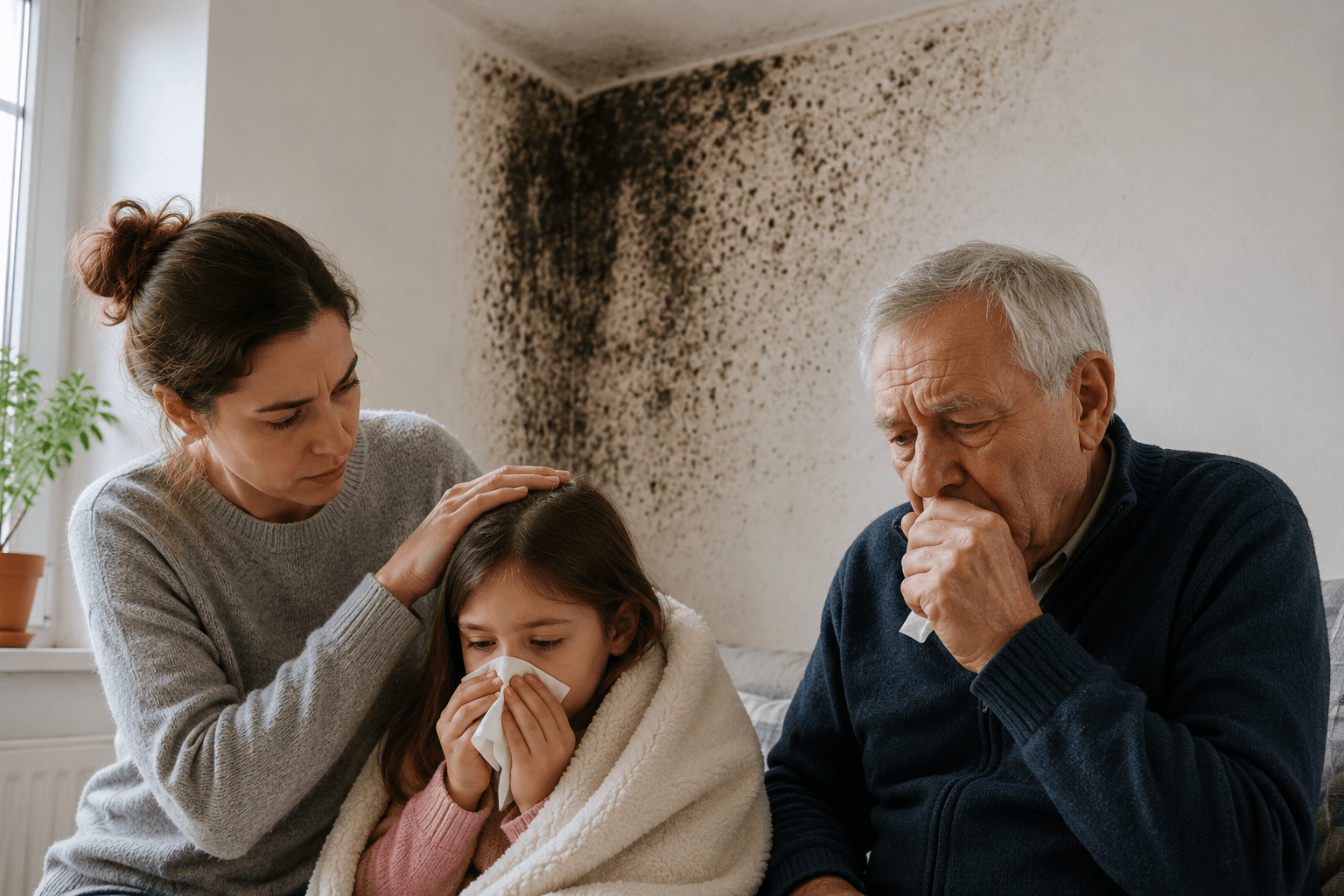
Certain groups may feel the effects of mould more quickly, as their bodies can be more sensitive to changes in indoor air quality. Children, for instance, are still developing, which means their lungs may react more strongly to airborne particles. Older people may experience reduced resilience, making it harder to cope with ongoing exposure within the home.
Those with existing health conditions may notice symptoms becoming more noticeable in damp environments. For these households, early attention to mould can help maintain a more comfortable space and reduce the likelihood of ongoing disruption to daily life.
When Health Symptoms May Point to a Mould Problem at Home
It can be difficult to link health symptoms directly to the home environment, especially where signs appear gradually. There are a few indicators which may help connect the two.
- Symptoms improve when spending time away from home
- Visible mould appears on walls, ceilings, or around windows
- Ongoing damp or condensation builds up indoors
Recognising these patterns can help guide the next steps without drawing conclusions too quickly.
What to Do if You Suspect Mould Is Affecting Your Health
Taking early steps can help reduce exposure and improve indoor conditions over time.
- Increase ventilation by opening windows or using extractor fans
- Reduce moisture from everyday activities like cooking or drying clothes indoors
- Avoid painting or covering over mould, as this does not treat the source
- Seek advice if mould continues to return or spread
If the issue persists, exploring professional mould services can help identify the cause and recommend suitable solutions.
How Professional Treatment Can Help Remove the Root Cause
Surface cleaning may improve appearance for a short period, yet lasting results depend on addressing the underlying issue. Moisture control, ventilation improvements, and damp proofing work together to limit conditions where mould can return. Targeted treatments may focus on affected areas, helping restore indoor air quality and prevent further spread.
A professional assessment provides a clearer view of what is happening within the property, supporting long-term protection for both the building and those living inside. If you are unsure where to begin, you can contact us for guidance and next steps, with services like ours at Home Energy Save GB helping guide that process from inspection through to treatment.
