
Mould treatment terms can feel unclear, and confusion between clouding and fogging tends to be common. Both methods form part of professional mould treatment, each designed to target contamination differently.
Choosing the wrong option can leave spores behind, leading to repeat growth and rising costs.
A clear comparison helps homeowners understand how each method works and where it fits. Professional assessments, such as those from Home Energy Save GB, still play a key role, as property conditions vary and require the right approach from the outset.
How Clouding and Fogging Are Used in Mould Treatment
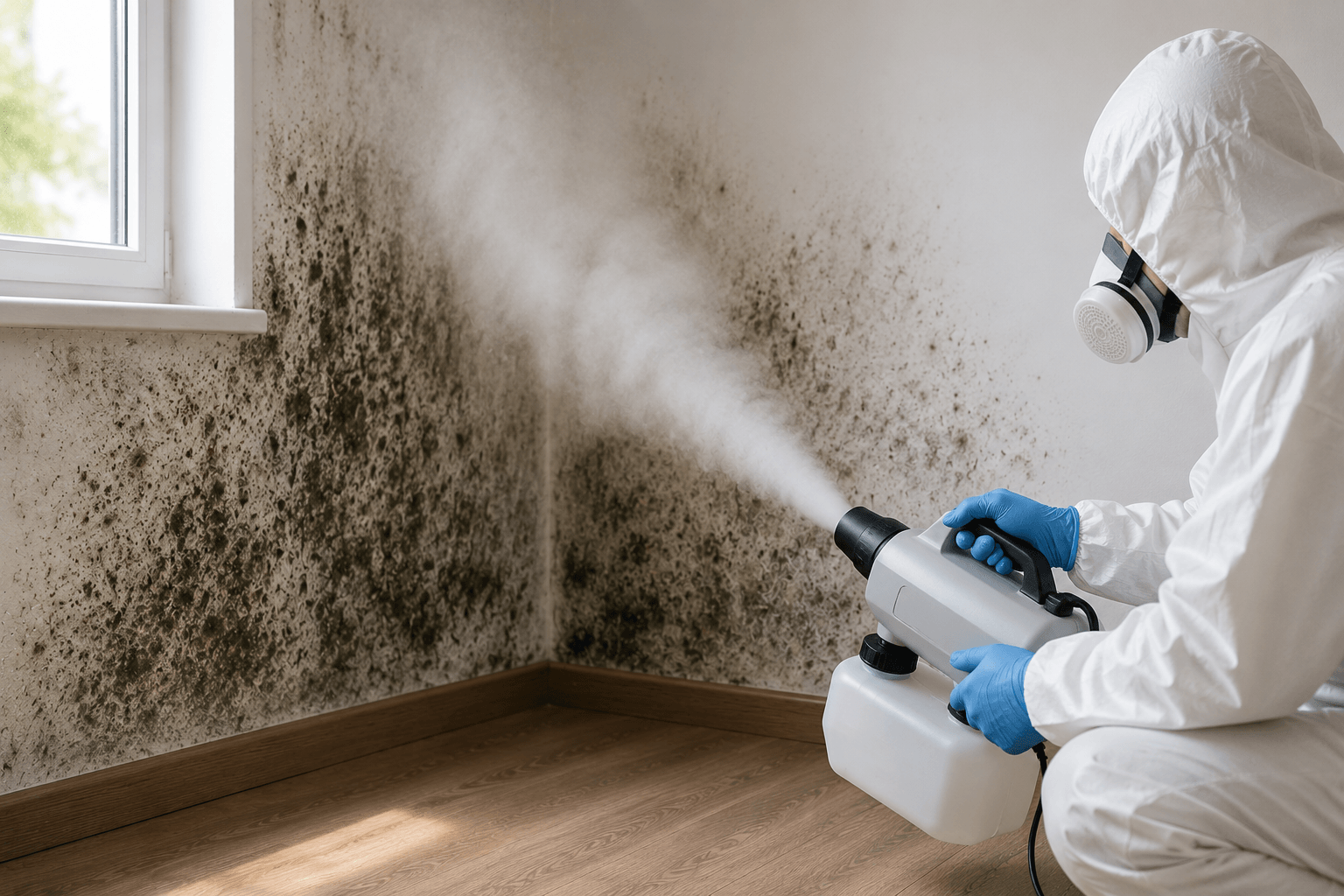
Clouding and fogging sit within professional mould treatment processes, applied after a detailed inspection confirms the source and spread of contamination.
These methods rely on specialist equipment and trained handling, rather than off-the-shelf products. Each approach targets mould spores, reducing contamination across affected areas and limiting further spread, a process typically handled through structured treatment plans from providers like Home Energy Save GB.
Treatment forms part of a structured plan, where surface cleaning, air treatment, and moisture control work together. Without this joined approach, spores can remain active and lead to recurring issues within the same environment.
What Clouding Means in a Damp and Mould Context
Clouding refers to a mould treatment method where a solution disperses as heavier droplets, settling across affected surfaces such as walls and ceilings. This application creates a visible coating, allowing the treatment to remain in contact with mould growth for longer periods. The method targets contamination directly where it appears, making it suitable for clearly defined patches.
Coverage stays focused on exposed areas rather than hidden spaces. This approach supports surface-level treatment, forming part of a wider plan that addresses both visible damage and the conditions allowing mould to develop.
What Fogging Means in a Damp and Mould Context
Fogging uses a much finer mist, releasing microscopic particles into the air to spread throughout a room. These smaller particles remain suspended longer, allowing them to move into gaps, corners, and enclosed areas where mould spores may linger unseen.
This airborne distribution helps address widespread contamination, including spores that circulate beyond visible patches. Fogging suits situations where mould presence extends further than surface growth alone.
How the Application Process Differs Between Clouding and Fogging
- Equipment used – Clouding machines produce heavier droplets, whereas fogging units generate ultra-fine particles that disperse into the air
- Application method – Clouding coats surfaces directly, fogging fills the space with a mist that settles gradually
- Preparation required – Both methods require room preparation, though fogging may involve sealing areas to contain airborne particles
- Time involved – Clouding tends to complete faster, fogging may require additional settling and ventilation time
- Safety considerations – Protective measures apply in both cases, with fogging requiring stricter control of airborne exposure during treatment
How Particle Size Affects Coverage and Performance
Particle size plays a direct role in how mould treatment spreads and performs within a property. Larger droplets, used in clouding, fall quickly and settle onto surfaces, creating a consistent coating across visible areas. Smaller particles, produced during fogging, stay suspended in the air for longer periods, allowing them to move through rooms and enter confined spaces.
This difference affects how far the treatment reaches and what it can target. Surface coverage contrasts with airborne distribution, shaping how each method performs depending on the extent and location of contamination.
Where Clouding and Fogging Reach Within a Property
Clouding focuses on exposed surfaces, settling across walls, ceilings, and other visible areas where mould growth appears. This direct contact supports treatment of clearly defined patches, though it does not extend beyond what can be reached on the surface.
Fogging spreads through the air, moving into gaps, behind furniture, and into areas that remain out of sight during a visual check. Each method has limits, as neither fully covers every condition on its own. Some situations require a combined approach, guided by a detailed assessment of how far contamination has travelled.
How Each Method Interacts With Airborne Contaminants
Mould releases microscopic spores into the air, allowing contamination to spread beyond visible areas and settle across a property. Fogging targets these airborne particles by dispersing a fine mist throughout the space, reducing spores that remain suspended or hidden in hard-to-reach areas.
Clouding works differently, focusing on surfaces where spores have already settled and formed growth. If airborne spores remain untreated, they can resettle and lead to further outbreaks. Addressing both surface and airborne contamination helps reduce the risk of mould returning after initial treatment.
Which Option Is Better for Different Types of Mould Problems
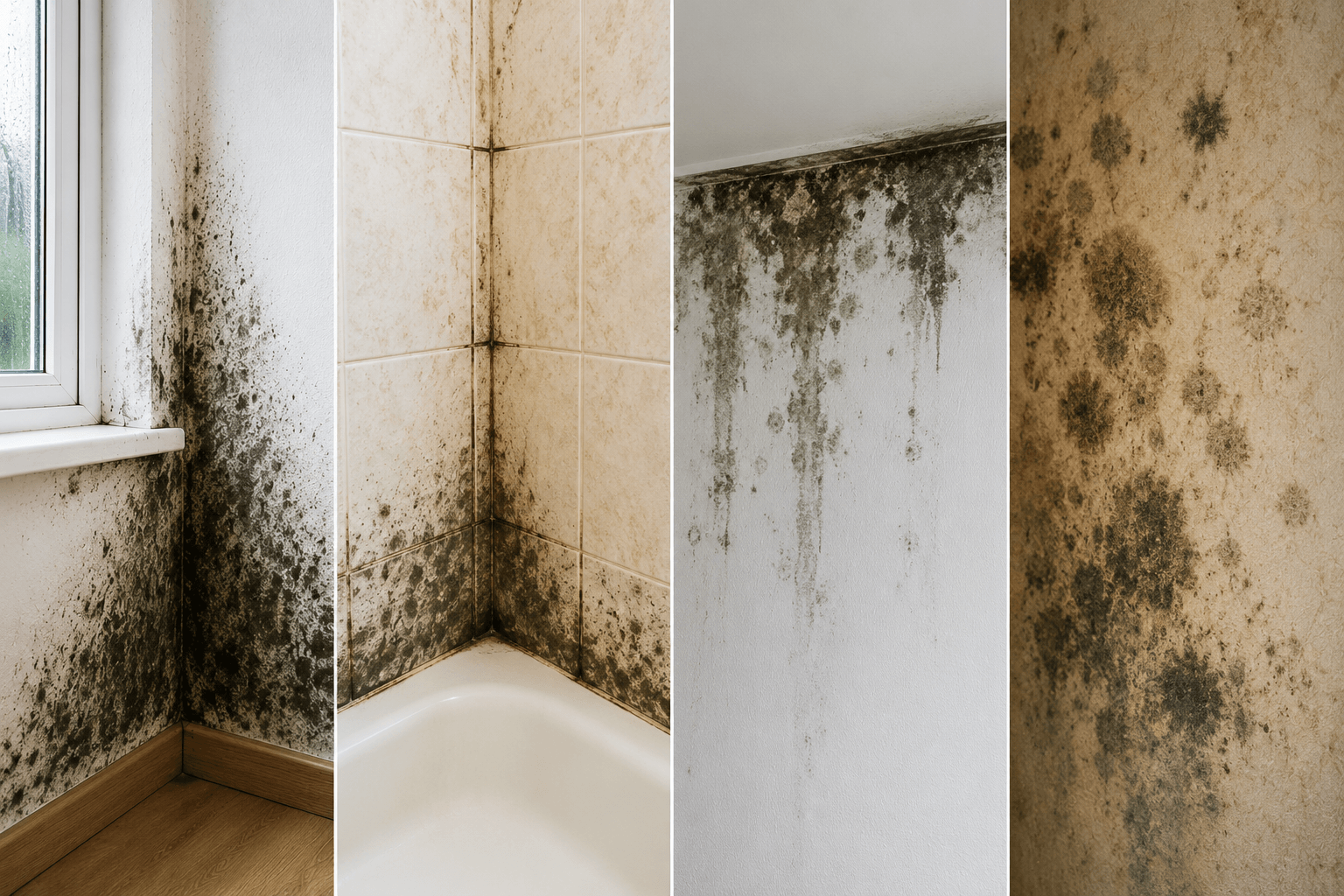
- Light surface mould – Clouding can treat visible patches where growth remains contained
- Severe mould spread – Fogging may suit wider contamination involving airborne spores
- Recurring mould issues – A combination of both methods may be required alongside further investigation
- Hidden mould presence – Fogging can reach areas not visible during initial inspection
- Mixed conditions – Treatment choice depends on property layout, moisture levels, and extent of spread
How Clouding and Fogging Fit Into a Wider Mould Remediation Plan
Clouding and fogging form one part of a wider mould remediation plan, used after the cause of damp has been identified. These treatments reduce active spores on surfaces and within the air, though they do not remove the conditions that allow mould to grow.
Long-term control depends on managing moisture levels, improving airflow, and addressing insulation gaps where condensation may form. Without these changes, mould can return even after treatment. A complete approach links targeted application with ongoing prevention, helping maintain a cleaner and more stable indoor environment.
Choosing the Right Treatment for Your Property
Selecting the wrong treatment can lead to incomplete results, repeated outbreaks, and unnecessary expense.
Property conditions differ, making accurate diagnosis essential before any method is applied. Professional guidance helps identify the extent of contamination and the most suitable response.
Homeowners seeking reliable outcomes can explore tailored support through expert-led Home Energy Save GB services, including effective mould removal. For personalised advice or to arrange an inspection, use our contact us page to take the next step.
