
Diagnosing damp in a UK home can feel overwhelming at first, yet clear structure brings calm and direction.
Many properties across Britain, particularly older builds, hold moisture in ways owners do not immediately see. Damp rarely appears without cause, and it almost always signals an underlying issue within the building fabric.
Homeowners facing staining walls, musty odours or recurring mould often assume the worst, yet diagnosis must come before treatment. Acting too quickly can lead to unnecessary work, inappropriate rising damp treatment or ventilation upgrades that fail to address the true source.
This guide explains diagnosing damp step by step, in plain language, without alarm. You will learn how moisture moves, how different forms of damp present themselves, and why proper investigation protects both property and budget. By the end, you should feel more confident recognising patterns and knowing when a professional damp survey becomes the sensible next move.
Understanding What Damp Really Is
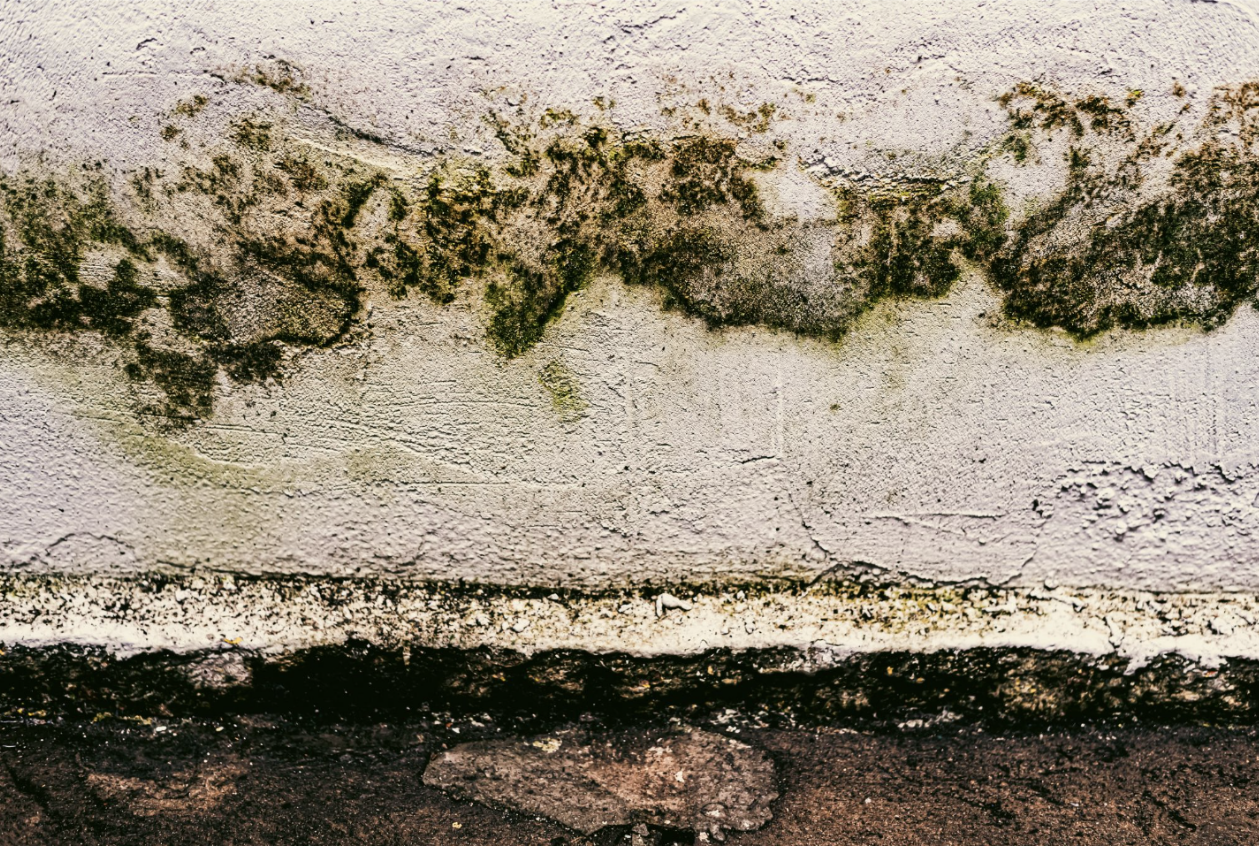
Damp refers to excess moisture present within a building’s structure, and it develops when water enters or accumulates inside materials meant to remain dry. Bricks, mortar, timber and plaster absorb moisture over time, yet prolonged saturation causes deterioration.
Many homeowners view damp as a standalone problem, yet in truth it represents a symptom. Something allows water to enter, move or remain trapped. Without identifying that mechanism, treatment may address surface signs rather than the root cause.
The UK climate contributes to risk. Frequent rainfall, fluctuating temperatures and older housing stock built before modern standards increase exposure. Solid wall construction, suspended timber floors and ageing damp proof course systems all influence moisture behaviour.
Accurate diagnosis of damp matters. Installing new materials, injecting chemicals or increasing ventilation without clear evidence can waste money and leave the original issue unresolved. A correct assessment protects the structure and guides proportionate solutions.
This is why professional damp specialists, including the survey team here at Home Energy Save GB, focus on identifying the source of moisture before recommending any treatment.
How Moisture Moves Through a Property
Moisture travels through buildings in several ways, and each route produces different symptoms. Capillary action allows groundwater to rise through porous masonry, drawing moisture upward in small channels within brick and mortar.
Lateral penetration occurs when rainwater drives horizontally through external walls. Cracked render, failed pointing or saturated masonry allows water to pass inward. Roof defects, slipped tiles, damaged flashing and deteriorated seals permit water ingress from above.
Vapour movement behaves differently. Warm air carries moisture, and when that air meets cooler surfaces, it condenses into liquid. This process often contributes to condensation in homes with limited airflow.
Building materials play a role. Brick, plaster and mortar absorb moisture readily, unlike impermeable surfaces. Groundwater, rainwater and internally generated humidity each leave distinct patterns. Differentiating between them forms the foundation of accurate diagnosing of damp.
The Difference Between Damp and Condensation
Structural damp results from water entering or travelling through building fabric. Condensation forms when warm, moisture-laden air contacts a colder surface and releases water droplets. These processes differ in cause, appearance and behaviour.
Condensation often appears on windows, cold corners and uninsulated external walls. It tends to worsen during colder months when internal heating meets lower surface temperatures. Structural damp can occur year-round, depending on defects or ground moisture levels.
Condensation frequently receives blame for rising damp, particularly where mould appears at low levels. Misdiagnosis in this area remains common. A careful comparison clarifies the distinction.
| Feature | Structural Damp | Condensation |
| Source | External water or ground moisture | Internal humidity |
| Location | Often within wall structure | Surface-level moisture |
| Pattern | May show tide marks or irregular patches | Surface droplets, mould spots |
| Seasonal behaviour | Linked to rainfall or ground levels | Often worse in winter |
| Height | Rising damp up to ~1 metre | Can occur at any height |
Remember, correctly diagnosing damp requires looking beyond surface moisture alone.
The Three Main Types of Damp in UK Homes
UK homes generally experience three recognised categories of damp – rising damp, penetrating damp and condensation-related damp. Each develops through different mechanisms and demands separate investigation methods.
A common belief suggests most damp stems from rising moisture, yet surveys frequently reveal other causes. Penetrating damp causes and condensation in homes account for many cases initially labelled as rising damp.
Recognising distinctions reduces unnecessary intervention and helps guide proportionate repair.
Rising Damp
Rising damp occurs when groundwater travels upward through porous masonry by capillary action. A functional damp proof course, often abbreviated to DPC, should prevent this movement.
In properties built before modern standards, the damp proof course may be absent, damaged or bridged. Rising damp generally affects ground floor walls and rarely extends beyond one metre in height.
Older Victorian and Edwardian homes face higher exposure, particularly where external ground levels sit above internal floors. Symptoms may include tide marks, salt deposits and deteriorating skirting boards.
Penetrating Damp
Penetrating damp results from water entering through defects in the building envelope. Roof issues, damaged gutters, cracked render and failed pointing frequently contribute.
Unlike rising damp, penetrating moisture can appear at any height, including ceilings and upper storeys. Rainfall often influences severity, with patches darkening after prolonged wet weather.
Penetrating damp causes often trace back to maintenance issues rather than structural failure.
Condensation-Related Damp
Condensation-related damp stems from internal moisture production. Cooking, showering and drying clothes indoors release water vapour into the air. Without adequate ventilation, humidity levels rise.
Cold surfaces encourage moisture to settle, particularly around window frames, corners and poorly insulated walls. Mould growth often follows persistent condensation.
Improving airflow and insulation often reduces symptoms, though underlying building factors must still be assessed.
Early Warning Signs You May Have a Damp Problem
Observing patterns provides clarity without jumping to conclusions. One isolated stain rarely confirms a structural issue, yet repeated symptoms strengthen the likelihood.
Look for combinations rather than single indicators. Damp problems in older houses often develop gradually, with subtle changes before visible damage appears.
Common early indicators include:
- Peeling wallpaper or flaking paint
- Discoloured patches on walls
- Musty odours
- Bubbling plaster
- White powder deposits
- Cold, clammy surfaces
- Rotting skirting boards
Multiple symptoms in one area increase suspicion and warrant closer inspection.
Visual Signs on Walls and Ceilings
Decorative finishes often reveal early moisture intrusion. Wallpaper may lift along edges or blister in small sections. Paint can bubble or crack, particularly near skirting boards.
Staining varies in colour from yellow to brown, depending on the water source. Efflorescence, a white salt deposit, appears where moisture evaporates and leaves mineral residue behind.
Ceiling staining may indicate roof leaks or penetrating damp rather than rising moisture. Uneven decorative surfaces often suggest repeated wetting and drying cycles within the wall structure.
Changes in Smell and Indoor Air Quality
Musty odours often accompany persistent damp. Air may feel stale, especially in enclosed rooms with limited ventilation.
Mould spores affect indoor air quality, and occupants may notice irritation or heightened sensitivity in damp environments. Identifying the moisture source remains key, since odour alone does not confirm structural penetration.
Consistent smells concentrated near particular walls or corners suggest ongoing moisture presence.
Deterioration of Skirting Boards and Plaster
Timber absorbs moisture readily, making skirting boards vulnerable. Paint may crack, timber may soften, and sections can detach from walls.
Plaster exposed to prolonged dampness can crumble or lose adhesion. Decorative finishes bubble or peel repeatedly in the same areas.
Moisture tends to affect timber first, particularly at the ground floor level, where rising damp or bridging may occur.
How to Identify Rising Damp
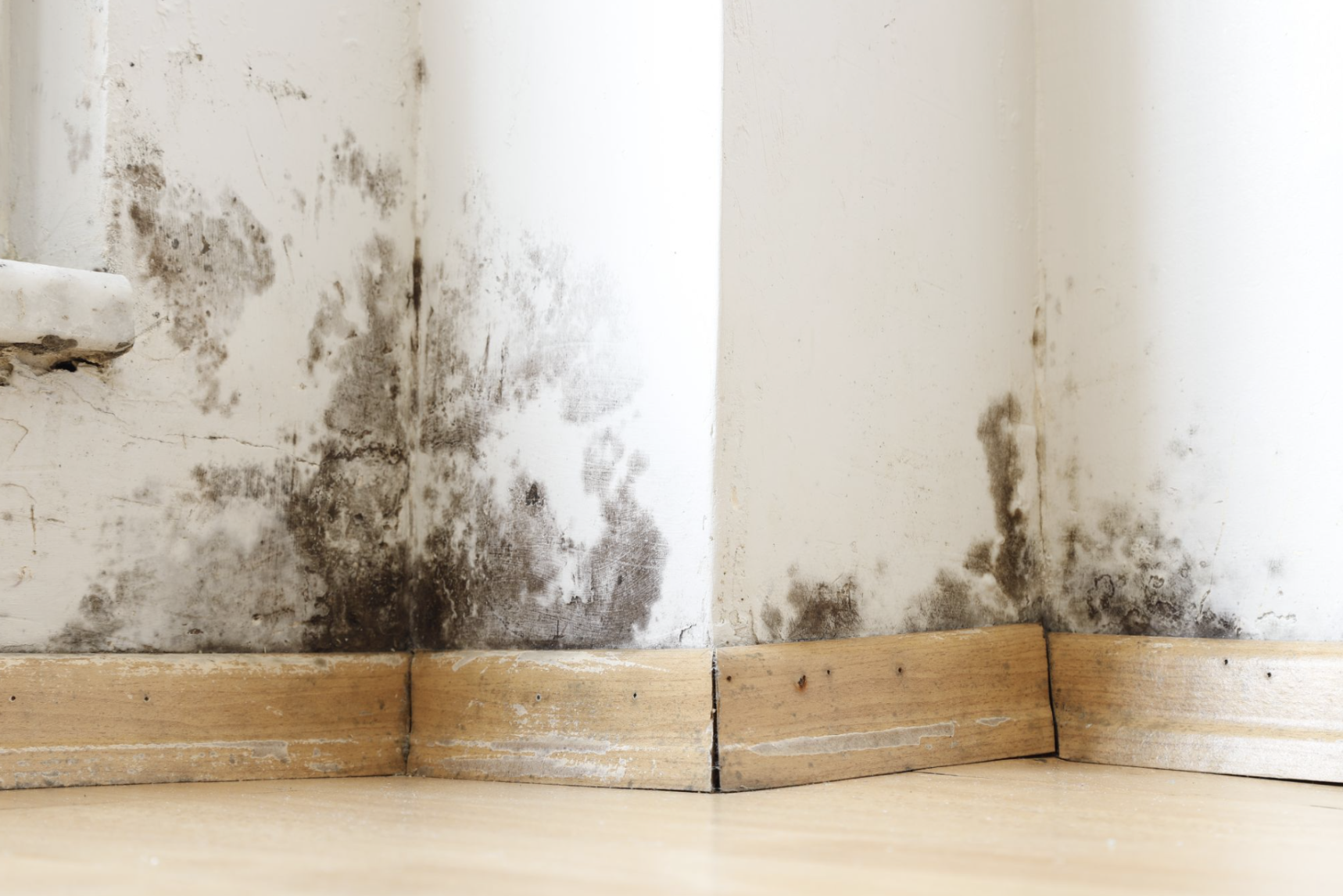
Identifying rising damp requires structured observation rather than assumption. Begin by examining ground floor walls carefully. Look for consistent low-level patterns rather than scattered patches.
True rising damp typically forms a horizontal band across a wall, rising from floor level and tapering off below one metre. Upper floors rarely experience genuine rising damp, as moisture cannot travel indefinitely upward.
Further testing remains essential before confirming the diagnosis. Professional damp inspection methods provide clearer evidence than visual checks alone.
During a professional damp survey, specialists such as ourselves at Home Energy Save GB will assess wall construction, external ground levels and damp proof course condition to confirm whether true rising damp is present.
Tide Marks and Salt Deposits
Tide marks appear as horizontal staining lines, often several centimetres above skirting boards. These marks represent the highest point moisture reached before evaporating.
Hygroscopic salts accumulate where groundwater evaporates, leaving visible white or powdery residue. Cosmetic staining differs from salt contamination, which persists even after redecorating.
Salt presence strengthens suspicion of rising damp but still requires confirmation through thorough investigation.
Damp at Low Levels on Ground Floor Walls
Examine whether damp forms a continuous band or isolated spots. Continuous low-level damp suggests moisture rising through masonry.
Isolated patches may indicate plumbing leaks or condensation settling in colder sections. Rising damp rarely affects internal partition walls unless structural bridging occurs.
Understanding the typical height range helps avoid mislabelling other forms of damp.
Common Misdiagnoses
Condensation frequently masquerades as rising damp, especially where mould forms near floor level. Poor ventilation and cold surfaces can create similar patterns.
Bridged damp proof course situations occur where external ground levels sit too high or internal plaster connects below DPC level. Plumbing leaks may produce persistent low-level damp unrelated to groundwater.
Installing unnecessary chemical DPC systems without evidence carries financial risk and may fail to resolve symptoms.
How to Identify Penetrating Damp
Penetrating damp often presents differently from rising damp. Patches appear irregular, sometimes spreading outward in unpredictable shapes.
Rainfall frequently influences severity. Damp areas darken after storms and lighten during dry spells. External defects often correlate with internal symptoms.
Tracing back to entry points supports accurate diagnosing damp.
Experienced surveyors, such as Home Energy Save GB, often examine roofing, guttering, brickwork and external finishes together to locate the exact route water is entering the building.
Localised Damp Patches
Random damp patches at higher wall levels often indicate penetration. Ceilings beneath roof valleys or chimneys warrant attention.
After heavy rainfall, these areas may enlarge. Dry weather may reduce visible signs temporarily, though staining often remains.
Localised patterns contrast with uniform low-level bands seen in rising damp.
External Defects That Allow Water In
Inspect cracked render, damaged pointing and failed flashing. Blocked gutters and downpipes overflow, directing water down external walls.
Roof tile displacement or worn seals create pathways for ingress. Regular maintenance reduces many causes of penetrating damp.
External inspection forms part of any thorough damp survey.
Seasonal Patterns
Penetrating damp tends to worsen during extended wet periods. Dry spells often lead to partial improvement.
Condensation in homes, by comparison, usually intensifies during colder winter months when indoor humidity meets cooler surfaces.
Seasonal tracking aids differentiation between moisture types.
How to Identify Condensation Issues
Condensation arises where humidity remains high and ventilation limited. Kitchens and bathrooms often produce elevated moisture levels.
Cold contact points, such as window frames and external corners, encourage droplet formation. Patterns frequently cluster around these areas rather than forming continuous wall bands.
Monitoring humidity levels supports diagnosing damp linked to lifestyle rather than structure.
Surface Moisture and Mould Growth
Black mould spots commonly develop on painted surfaces exposed to repeated condensation. Window panes may show droplets each morning.
Surface moisture typically dries as temperatures rise during the day. Structural damp rarely disappears so quickly.
Recurring mould suggests ongoing humidity imbalance rather than groundwater ingress.
High Humidity Areas
Kitchens release steam during cooking. Bathrooms accumulate moisture after showers. Bedrooms with limited airflow trap humidity overnight.
Rooms lacking extractor fans or openable windows face a greater risk. Measuring humidity provides objective insight.
Lifestyle and Ventilation Factors
Drying clothes indoors increases internal moisture load. Sealed modern windows reduce natural airflow compared with older designs.
Higher occupancy levels generate more vapour through breathing and daily activity.
Improving ventilation often reduces condensation, though persistent symptoms merit deeper evaluation.
Common Causes That Contribute to Damp Problems
Several contributing factors frequently appear during diagnosing damp:
- Bridged damp proof course
- Structural cracks in masonry
- Blocked wall cavities
- Poor external maintenance
- Inadequate ventilation
- Insufficient insulation
Addressing these elements often reduces recurrence and protects property fabric.
When Damp Is Being Misdiagnosed
Superficial inspections can lead to incorrect conclusions. Some surveys rely heavily on handheld moisture meters pressed against wall surfaces. These tools detect conductivity rather than water movement, which can produce false positives.
Financial consequences follow misdiagnosis. Installing inappropriate systems, such as unnecessary rising damp treatment, may fail to resolve underlying issues.
A thorough approach considers building age, construction type, external conditions and internal usage patterns.
Home Energy Save GB adopts a methodical process grounded in evidence, aiming to identify root causes before recommending any form of damp proofing. This approach supports proportionate solutions rather than default treatments.
The Risks of Relying on Visual Checks Alone
Visual signs provide starting points, yet cannot confirm the moisture source independently. Surface staining may reflect historical leaks rather than active problems.
Handheld meters respond to salts and surface condensation, potentially misrepresenting deeper moisture movement.
Contextual inspection, including external examination and pattern tracking, increases accuracy.
Why Free Surveys Without Investigation Can Be Misleading
Some free surveys focus on quick assessments intended to generate treatment proposals. Limited time on site restricts diagnostic depth.
Without detailed inspection, conclusions may rely on visible symptoms alone. A qualified specialist considers structure, ventilation, insulation and maintenance history before recommending action.
Transparent reporting builds confidence and clarifies next steps.
Professional Damp Surveys and Specialist Equipment
A comprehensive professional damp inspection examines both internal and external elements. Surveyors typically allocate sufficient time to assess each affected area, review construction details and inspect potential entry points.
Documentation forms part of the process. Clear written reports outline findings, explain moisture patterns and recommend proportionate solutions.
Home Energy Save GB conducts full property assessments rather than surface-level readings alone, aiming to provide evidence-based guidance tailored to the UK housing stock.
Moisture Mapping
Moisture mapping tracks readings across wall surfaces to identify patterns. This approach differs from isolated spot testing, which may miss broader trends.
Mapping reveals consistent low-level bands or irregular penetration zones, supporting more accurate diagnosis of damp.
Borescope Inspections
Borescope tools allow inspection within wall cavities. Surveyors can check insulation condition, debris build-up and possible bridging of the damp proof course.
Internal cavity assessment clarifies whether moisture originates externally or through structural bridging.
Hygrometer Readings
Hygrometers measure internal humidity levels. Elevated readings suggest condensation risk, particularly where ventilation remains limited.
Comparing indoor and outdoor humidity assists in distinguishing condensation in homes from structural moisture ingress.
What To Do If You Suspect Damp in Your Home
Early action reduces escalation. Observing carefully and making small adjustments can provide useful insight before commissioning a damp survey.
Immediate Practical Steps
- Improve ventilation by opening windows regularly and using extractor fans.
- Check gutters and external drainage for blockages or overflow.
- Monitor humidity levels with a simple hygrometer.
- Document affected areas with photographs and dates to track change.
These steps support clearer discussion during professional assessment.
When to Seek Specialist Advice
Persistent damp signs, structural deterioration or recurring mould indicate that further investigation is needed.
A professional damp survey provides clarity through structured inspection and documented findings. Home Energy Save GB supports homeowners across older properties common in the UK, offering transparent guidance based on observed evidence.
If you suspect damp and want clear answers, you can arrange a detailed survey or contact us to discuss your concerns with a qualified specialist. A proper inspection helps confirm the source of moisture before any damp proofing or ventilation work is recommended, helping you protect both your property and your budget.
