
Rising damp shows up quite often in older homes, and so you might already notice tide marks creeping up walls or a bit of peeling paint that feels hard to ignore. That musty smell is that early signal many homeowners recognise, yet it tends to be unclear what steps actually fix it.
There are several rising damp treatment options available, and so the right one depends very much on how your property behaves. A clear diagnosis matters a lot, as a matter of fact, since choosing the wrong fix can waste both time and money.
This guide breaks things down in a simple way, so you can see what works, where, and why.
Why Rising Damp Is Common in Older Properties
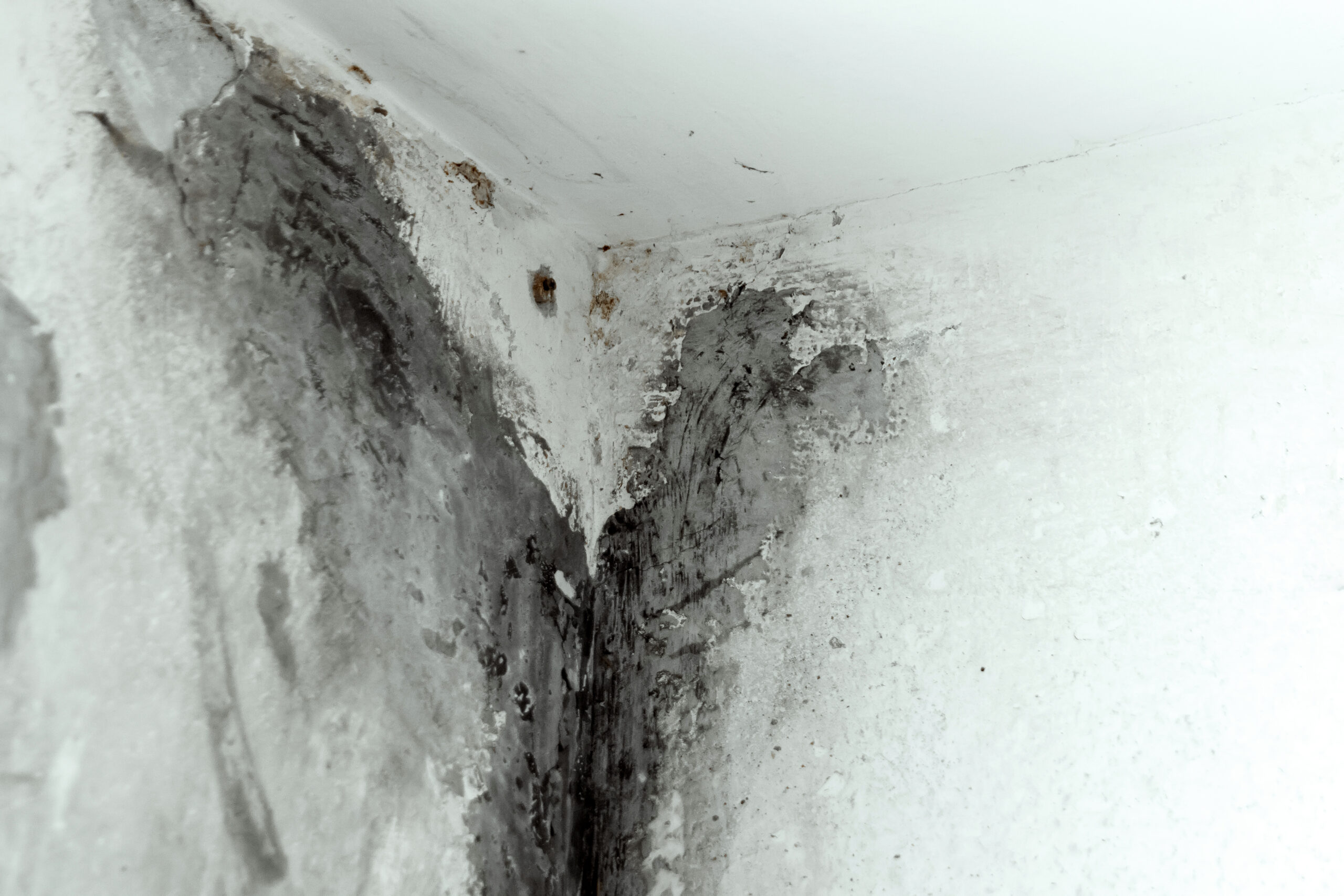
Older homes, in some respects, tend to lack the kind of damp protection newer builds include as standard. Many were built without a modern damp proof course, or the original barrier has worn down over time, which is the point where moisture begins to move more freely.
Materials like solid brick or stone, for example, absorb water more easily than cavity wall systems, so moisture can travel upward through the structure. This movement, known as capillary action, brings salts along with it, which then damage internal finishes.
Age and construction style together create conditions where rising damp becomes far more likely.
Installing a New Damp Proof Course
A damp proof course, or DPC, is basically a barrier that stops moisture rising through walls, and so installing a new one can resolve more severe cases. This method involves cutting into the wall and placing a waterproof layer across the structure.
It’s a bit more disruptive than other treatments, yet it tends to be very reliable when the existing protection has completely failed. For older properties with ongoing issues, this approach often delivers a long-term fix.
Homeowners looking into professional damp proofing solutions can explore services from Home Energy Save GB, where tailored assessments help confirm if this route suits the property.
Using a Damp Proof Cream Injection System
A damp proof cream injection system offers a less invasive option, and so it’s often chosen for older homes where a full replacement feels excessive. Small holes are drilled into the mortar line, then a specialised cream is injected into the wall.
Once inside, the cream spreads and cures, forming a barrier that blocks further moisture movement. It’s quite effective, provided the installation depth and spacing are handled correctly.
This method tends to suit properties where some protection exists but no longer performs as expected.
Replacing Damaged Plaster and Salt Contaminated Finishes
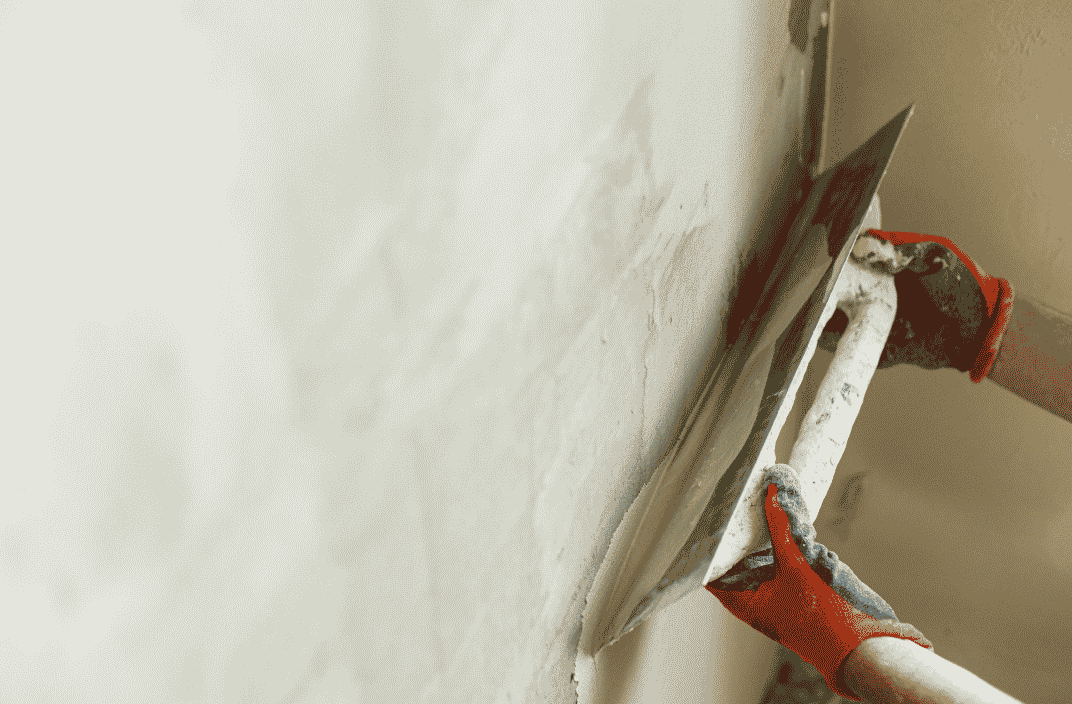
Rising damp carries salts into the wall, and so even after treatment, surfaces can stay affected if these deposits remain. These salts attract moisture, which means plaster may still feel damp or begin to crumble over time.
Removing damaged plaster helps clear out contamination, and new finishes can then be applied using materials that resist residual salts. This step is quite important, as a matter of fact, since treating the wall alone won’t fully restore internal surfaces.
It improves both the look and the durability of the space, which is the final stage many homeowners overlook.
Lowering External Ground Levels Where Needed
External ground levels can sometimes sit too high, and so they end up bridging the damp proof course. This creates a direct path for moisture to enter the walls, which is the hidden issue behind many recurring cases.
Lowering soil, adjusting paving, or improving drainage can restore the correct gap between the ground and the structure. These changes reduce moisture exposure and support other treatments already in place.
It’s more of a structural adjustment than an internal fix, yet it plays a key role in long-term protection.
Improving Sub Floor Ventilation and Moisture Management
Sub floor ventilation helps control moisture beneath the property, and so limited airflow can lead to damp air building up under floorboards. This extra humidity puts pressure on surrounding walls, which may worsen existing problems.
Air bricks and ventilation channels improve circulation, allowing moisture to escape more freely. This doesn’t replace direct treatment, yet it supports a drier environment overall.
In many cases, it works alongside other methods to create more stable conditions within the home.
Why the Right Treatment Depends on the Cause and Condition of the Property
Rising damp is sometimes misdiagnosed, and so similar signs can come from condensation, leaks, or penetrating damp. Each of these needs a different approach, which is why a one-size solution rarely works.
Choosing the wrong treatment can leave the issue unresolved, and that can lead to further costs down the line. The structure of the property, the materials used, and its overall condition all influence what will actually work.
A proper assessment helps match the treatment to the problem that prevents wasted effort.
When to Arrange a Professional Damp Survey
If damp patches keep returning, or you notice clear tide marks and surface damage, then it might be time to seek professional input. A survey identifies the cause, checks severity, and outlines the most suitable treatment plan.
Working with a trusted provider like Home Energy Save GB means recommendations tend to be clear and focused on what’s actually needed. That level of transparency helps reduce uncertainty, which many homeowners value.
If you’re unsure where to start, you can contact us directly, taking that next step, helping protect your home before the problem grows further.
