
Many homeowners first encounter an Energy Performance Certificate during a property sale, purchase or rental agreement. While most people know it relates to energy efficiency, fewer understand what the rating means or how it reflects a property’s condition.
An Energy Performance Certificate, commonly known as an EPC, measures how efficiently a home uses energy and highlights areas where improvements may be possible. This guide explains how EPCs work, what assessors look for and why insulation, heating systems and property condition all play an important role in energy performance.
Understanding What an Energy Performance Certificate Is
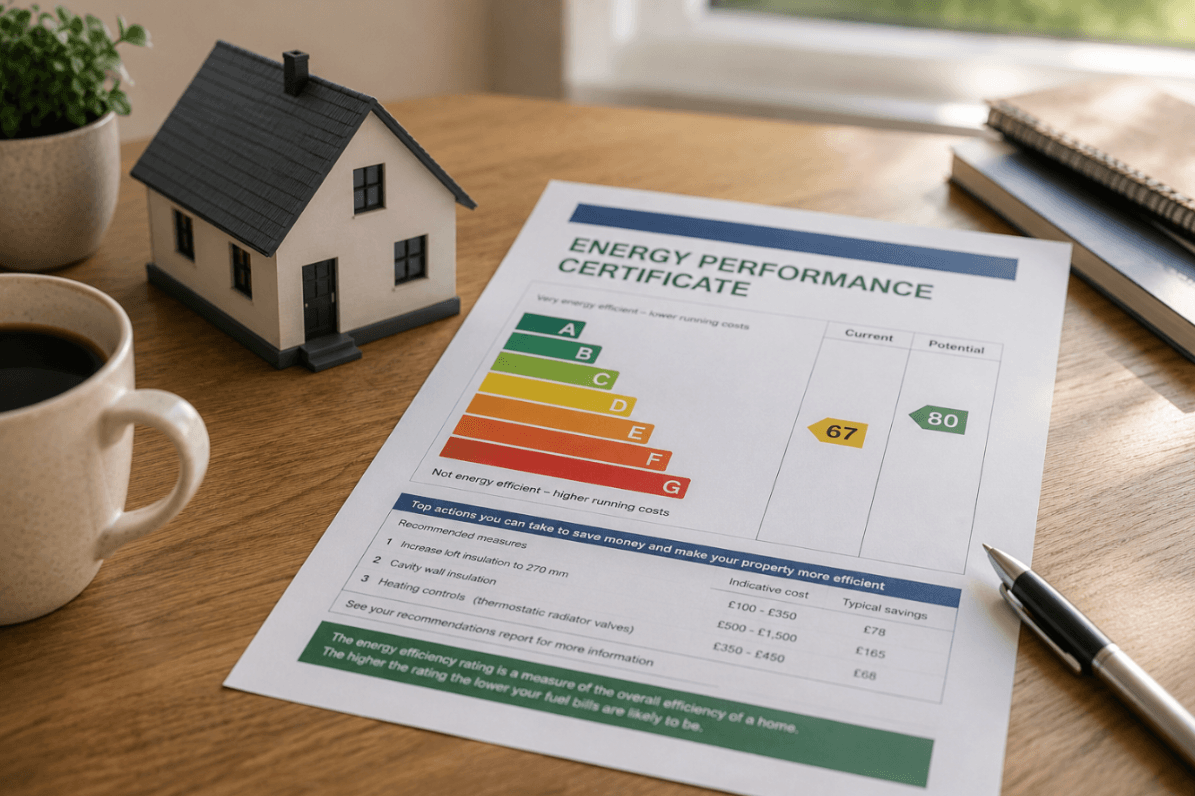
An Energy Performance Certificate, commonly called an EPC, measures how energy efficient a property is and provides recommendations for improvement.
The certificate gives a property a rating on a scale from A to G. Properties rated A are considered the most energy efficient, while properties rated G are the least efficient.
The purpose of an EPC is to provide a consistent way of assessing how effectively a building uses energy. It helps buyers, sellers, landlords and tenants compare properties and understand their likely energy performance.
Alongside the overall rating, the report includes recommendations which may improve efficiency and reduce energy waste. These suggestions can range from insulation upgrades to heating system improvements.
Many people view an EPC as a requirement during a property transaction. In reality, it can also serve as a useful guide for homeowners looking to improve comfort, reduce heat loss and make better-informed investment decisions.
Why Energy Performance Certificates Matter for Homeowners
Energy Performance Certificates help homeowners understand how efficiently a property uses energy and where improvements may reduce heat loss or running costs.
A property with poor energy efficiency may struggle to retain warmth during colder months. This can affect comfort levels and place greater demand on heating systems.
An EPC helps identify areas where energy is being lost.
At Home Energy Save GB, we often find homeowners are surprised by how much hidden heat loss comes from overlooked issues such as poor insulation, cold bridging or moisture-related defects. For example, the report may highlight insufficient loft insulation, ageing heating equipment or inefficient glazing.
The information can support decisions such as:
- Planning future home improvements
- Prioritising maintenance work
- Understanding energy performance before purchasing a property
- Assessing the effectiveness of previous upgrades
- Identifying opportunities to improve thermal performance
For homeowners considering renovations, an EPC can provide useful context when deciding where to invest their budget.
What an EPC Tells You About a Property
An EPC provides information about a property’s current energy efficiency rating alongside recommendations for improving performance.
The report typically includes:
- The current energy efficiency rating
- The potential rating after improvements
- Estimated energy performance
- Environmental impact information
- Recommended upgrades
These details help homeowners understand how efficiently a property uses energy and identify areas where improvements may enhance heat retention, comfort and overall performance.
How Energy Efficiency Is Measured in a Home
Energy efficiency is measured by assessing how effectively a property retains heat and uses energy for heating, lighting and hot water.
An EPC assessment considers several factors that influence overall performance, including:
- Insulation levels
- Heating systems
- Hot water provision
- Window efficiency
- Building materials
- Lighting
Homes that retain heat more effectively generally require less energy to maintain comfortable temperatures. Older properties may receive lower ratings due to their construction methods, although improvements such as insulation upgrades and heating system improvements can help enhance thermal performance and energy efficiency.
What Is Included in an EPC Assessment
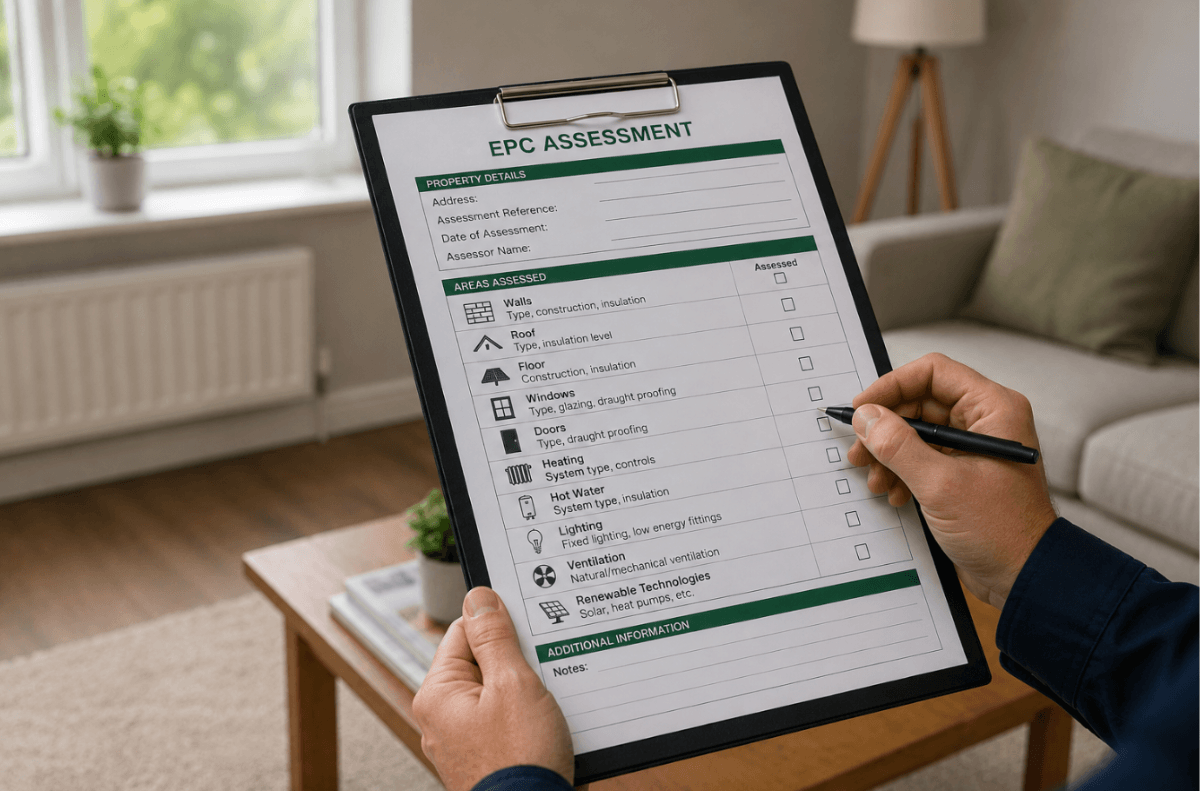
An EPC assessment involves reviewing several areas of the property that affect energy use and heat retention.
The assessor collects information about features that influence energy efficiency, including:
- Loft insulation
- Wall construction
- Heating systems and controls
- Boiler efficiency
- Window glazing
- Lighting
- Hot water systems
- Floor insulation where applicable
The findings are used to calculate the property’s energy efficiency rating and generate recommendations for potential improvements.
How Long an Energy Performance Certificate Lasts
An Energy Performance Certificate typically remains valid for ten years unless a new assessment is carried out sooner.
Current government guidance states that EPCs remain valid for a decade from the date of issue.
A homeowner may choose to commission a new certificate before the existing one expires if significant improvements have been completed. This can be useful where insulation, heating upgrades or other energy-efficiency measures have altered the property’s performance.
When selling or renting a property, it is important to ensure a valid certificate is available if one is required for the transaction.
When You Need an EPC for a Property
EPCs are commonly required when selling, renting or constructing a property.
Several situations may involve an Energy Performance Certificate.
These include:
Selling a Property
An EPC is generally required when marketing a property for sale. Prospective buyers can review the rating as part of their decision-making process.
Renting Out a Property
Landlords may require a valid certificate when letting residential accommodation, subject to current regulations and exemptions where applicable.
New Build Properties
New homes generally require an EPC upon completion.
Home Improvements
Although not mandatory for improvement projects, many homeowners use EPC information to identify opportunities for enhancing energy efficiency.
Understanding these requirements can help property owners prepare for future transactions and avoid unnecessary delays.
Who Carries Out an EPC Assessment?
EPC assessments are carried out by accredited domestic energy assessors trained to evaluate residential properties.
The assessor visits the property and records information about energy-related features. Measurements, observations and construction details are collected before being entered into approved assessment software.
Following the inspection, the assessor generates the certificate and associated recommendations.
Professional assessments provide a standardised approach, allowing properties to be evaluated using consistent criteria.
Homeowners considering an updated assessment can learn more about obtaining an energy performance certificate through Home Energy Save GB.
How an EPC Can Help Reduce Energy Bills
EPC recommendations may help homeowners identify improvements that reduce energy waste and improve heating efficiency.
The certificate itself does not reduce costs. Its value comes from highlighting areas where energy performance could potentially be improved.
Recommendations may focus on:
- Increasing insulation levels
- Upgrading heating systems
- Improving heating controls
- Reducing draughts
- Installing more efficient lighting
A property which retains heat more effectively generally requires less energy to maintain comfortable indoor temperatures.
For homeowners planning long-term improvements, the recommendations can provide a useful starting point when prioritising future investment.
Recommended Improvements Often Found on an EPC
Many EPC reports include recommendations designed to improve heat retention and overall energy performance.
Common suggestions include:
- Loft insulation improvements
- Wall insulation upgrades
- More efficient boilers or heating systems
- Smart heating controls
- Low-energy lighting
- Hot water efficiency improvements
- Improved glazing where appropriate
Not every recommendation will suit every property.
The most effective improvements depend on factors such as property age, construction type, existing insulation levels and overall condition.
A professional whole house insulation assessment can help homeowners understand which measures may be appropriate for their property.
How Insulation and Damp Issues Affect EPC Scores
Poor insulation and unresolved damp problems can reduce a property’s ability to retain heat efficiently.
Insulation plays a key role in limiting heat loss through walls, roofs and floors. When insulation levels are inadequate, heating systems may need to work harder to maintain comfortable temperatures.
Damp can also influence thermal performance. Home Energy Save GB regularly sees properties where unresolved moisture issues reduce insulation effectiveness, making rooms harder to heat and lowering overall energy efficiency.
Moisture within walls or building materials can affect how effectively those materials retain heat. Damp-related issues may contribute to colder surfaces, increased heat loss and reduced comfort within the property.
Examples include:
- Damp external walls
- Penetrating moisture from defects
- Condensation-related moisture build-up
- Saturated insulation materials
Addressing property condition issues alongside energy-efficiency upgrades can create better long-term outcomes.
Homeowners interested in the relationship between property condition and efficiency can explore more about damp proofing and energy efficiency.
Where moisture issues are present, professional damp proofing solutions may form part of a broader improvement strategy.
Improving Your Home’s Energy Efficiency Rating
Improving an EPC rating often involves reducing heat loss and upgrading inefficient systems within the property.
A practical approach starts with identifying the areas having the greatest impact on performance. Home Energy Save GB typically recommends addressing major heat-loss areas first, while ensuring ventilation and moisture issues are not overlooked during improvement planning.
Potential improvements may include:
- Upgrading loft insulation
- Installing appropriate wall insulation
- Improving heating controls
- Replacing inefficient heating equipment
- Addressing draughts
- Improving glazing performance
- Resolving damp-related defects
- Improving ventilation where necessary
For many properties, insulation upgrades provide a strong foundation for wider energy-efficiency improvements. Homeowners considering loft insulation improvements should assess existing insulation levels before deciding on further work.
A balanced approach is important. Improving efficiency should work alongside maintaining healthy ventilation and addressing underlying property defects.
In short, an Energy Performance Certificate is a report that measures a property’s energy efficiency and highlights areas where performance could be improved.
While EPCs are commonly associated with property sales and rentals, they can also help homeowners identify opportunities to reduce heat loss, improve comfort and make informed improvement decisions. By understanding insulation, heating systems and property condition, you can take practical steps towards a more efficient home and better long-term energy performance.
If you would like guidance on identifying factors affecting your home’s energy performance, Home Energy Save GB can help assess insulation, damp and wider property efficiency concerns, helping you identify which factors may be limiting your home’s energy performance. To discuss your property in more detail, contact us.
