
A damp proof course, often referred to as a DPC, plays a central role in protecting a property from rising damp. Many homeowners begin researching the type of DPC used in their home, yet find the options unclear or overly technical.
Different types of damp proof course systems exist across UK properties, and each one suits a specific structure, age, or condition. The right choice depends on how the building was constructed and how moisture is currently affecting it.
This guide explains the main damp proof course types used in the UK, how each works, and where they are typically applied.
A professional assessment, such as those we can provide here at Home Energy Save GB remains an important step before any decision is made, helping avoid incorrect solutions and unnecessary cost.
What a Damp Proof Course Does in a Property
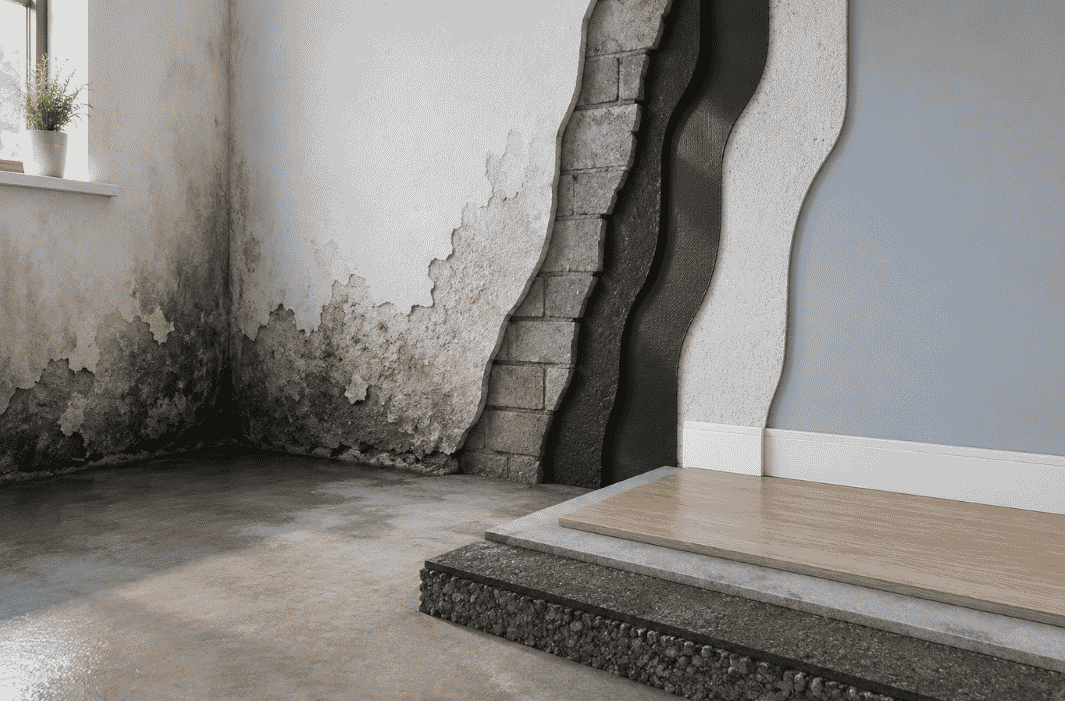
A damp proof course acts as a barrier within a wall that prevents ground moisture from travelling upward. Without this barrier, water moves through brick and mortar by capillary action, leading to rising damp and internal damage.
This movement can result in peeling paint, staining, and gradual deterioration of plaster and finishes. By interrupting that upward path, the DPC helps maintain a dry internal structure.
In most properties, the damp proof course sits slightly above ground level, forming a continuous horizontal layer within the wall. Older buildings may have weakened or damaged barriers, whereas modern construction uses more durable materials designed to resist long-term breakdown.
A functioning DPC supports both structural integrity and internal comfort, making it a key element in any property, regardless of age.
Physical Slate Damp Proof Courses
Physical slate damp proof courses appear in many older UK properties. Builders installed thin layers of slate within the wall during construction, creating a dense physical barrier against moisture.
Slate offers strong resistance to water and natural durability, which means many of these systems remain effective decades after installation. In properties where the original structure remains intact, a slate DPC can still perform well.
Over time, however, limitations can develop. Structural movement, cracks, or raised external ground levels may allow moisture to bypass the barrier. This process, known as bridging, reduces effectiveness and can lead to recurring damp issues.
Older homes with slate systems often benefit from assessment to determine whether the original protection still performs as intended or requires reinforcement.
Bitumen Based Damp Proof Courses
Bitumen based damp proof courses became common in mid-20th century construction. This method uses a tar-like material applied within the wall to form a moisture-resistant layer.
The material provides flexibility, allowing it to adapt to minor structural movement without immediately failing. This quality made it a widely used solution during its time.
Water resistance remains a key strength, yet ageing can affect performance. Bitumen may dry out, crack, or lose adhesion, which creates gaps within the barrier. These gaps allow moisture to move through the structure, leading to visible damp problems.
Properties with this type of damp proof course may require inspection if signs of failure begin to appear.
Plastic Damp Proof Membrane Courses
Plastic damp proof membrane courses represent the modern standard in UK construction. These systems use polyethylene sheets installed within the wall to create a continuous and durable moisture barrier.
The material resists decay and remains stable when exposed to moisture over long periods. This consistency allows it to perform reliably without the breakdown seen in older systems.
Modern construction methods integrate these membranes with other structural elements, forming a sealed layer that prevents moisture movement.
For newer properties, this type of DPC provides a dependable solution aligned with current building standards and long-term performance expectations.
Chemical Injection Damp Proof Courses
Chemical damp proof course injection systems provide a practical solution for existing properties, particularly older homes where no effective barrier remains.
The process involves drilling a series of holes along the mortar line and injecting a specialist solution into the wall. This solution spreads through the material and forms a water-repellent barrier as it cures.
This approach avoids the need for major structural work, making it less disruptive than installing a new physical damp proof course. It is widely used across the UK as a retrofit option for controlling rising damp.
Performance depends heavily on correct installation. Depth, spacing, and material application must be consistent to create a continuous barrier.
Homeowners exploring damp proofing solutions can review tailored services from Home Energy Save GB, where property-specific recommendations help confirm whether chemical injection is the right approach.
Electro Osmotic Damp Proof Systems
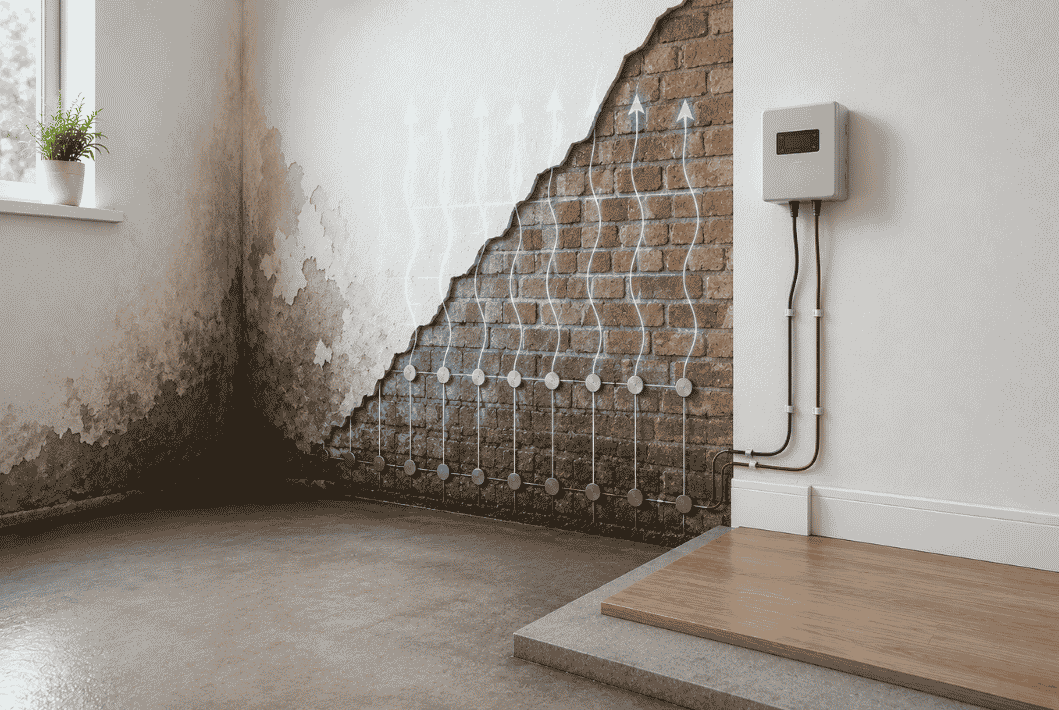
Electro osmotic damp proof systems operate on a different principle compared to physical or chemical barriers. Instead of blocking moisture, the system uses a low electrical charge to influence how water moves within the wall.
This charge encourages moisture to move downward rather than rising upward through the structure. The approach focuses on controlling moisture movement rather than stopping it entirely.
Electro osmosis is less commonly used than other damp proof course types. It may be considered in cases where traditional methods are difficult to install or unsuitable for the structure.
Suitability depends on several factors, including wall composition and moisture levels. A detailed assessment is required before selecting this option, as results can vary between properties.
How to Know Which Type of Damp Proof Course Is Right for a Property
Selecting the correct type of DPC depends on the specific characteristics of the property. No single system applies to every situation.
Key factors include:
- Property age and original construction method
- Wall type, including solid or cavity structures
- Severity and source of damp
Choosing the wrong solution can lead to ineffective results and further expense. Some properties require repair to an existing system, while others need a completely new approach.
Accurate assessment helps match the method to the condition of the building, improving long-term performance and avoiding unnecessary work.
Why Professional Installation and Assessment Matter
A damp proof course only performs effectively when both diagnosis and installation are carried out correctly. Treating symptoms without identifying the underlying cause can lead to recurring damp and ongoing repair costs.
Incorrect installation may leave gaps or weak points within the barrier, reducing its ability to control moisture. These issues often remain hidden until damp returns.
Working with experienced specialists such as Home Energy Save GB provides a clearer understanding of the problem and the most suitable solution.
A professional survey identifies the source of moisture, assesses the condition of the structure, and outlines the correct treatment. This approach supports long-term protection and reduces the risk of ineffective work.
To arrange a detailed assessment or discuss your options, you can contact us here at Home Energy Save GB to arrange a survey and receive tailored advice.
