
A damp patch on a wall, but no leak can be difficult to understand, particularly when no visible fault explains the issue. Many homeowners notice marks forming without dripping water, which often leads to confusion and incorrect assumptions.
This situation is common in UK homes, especially in older properties or spaces where airflow is restricted. Moisture does not always come from a clear source. In many cases, it develops gradually within the structure or from internal conditions.
This guide outlines the three most common causes of damp patches on walls with no visible leak and explains how to recognise each one. Correct diagnosis plays a key role in resolving the problem and preventing further damage.
Why a Damp Patch Can Appear Even When There Is No Leak
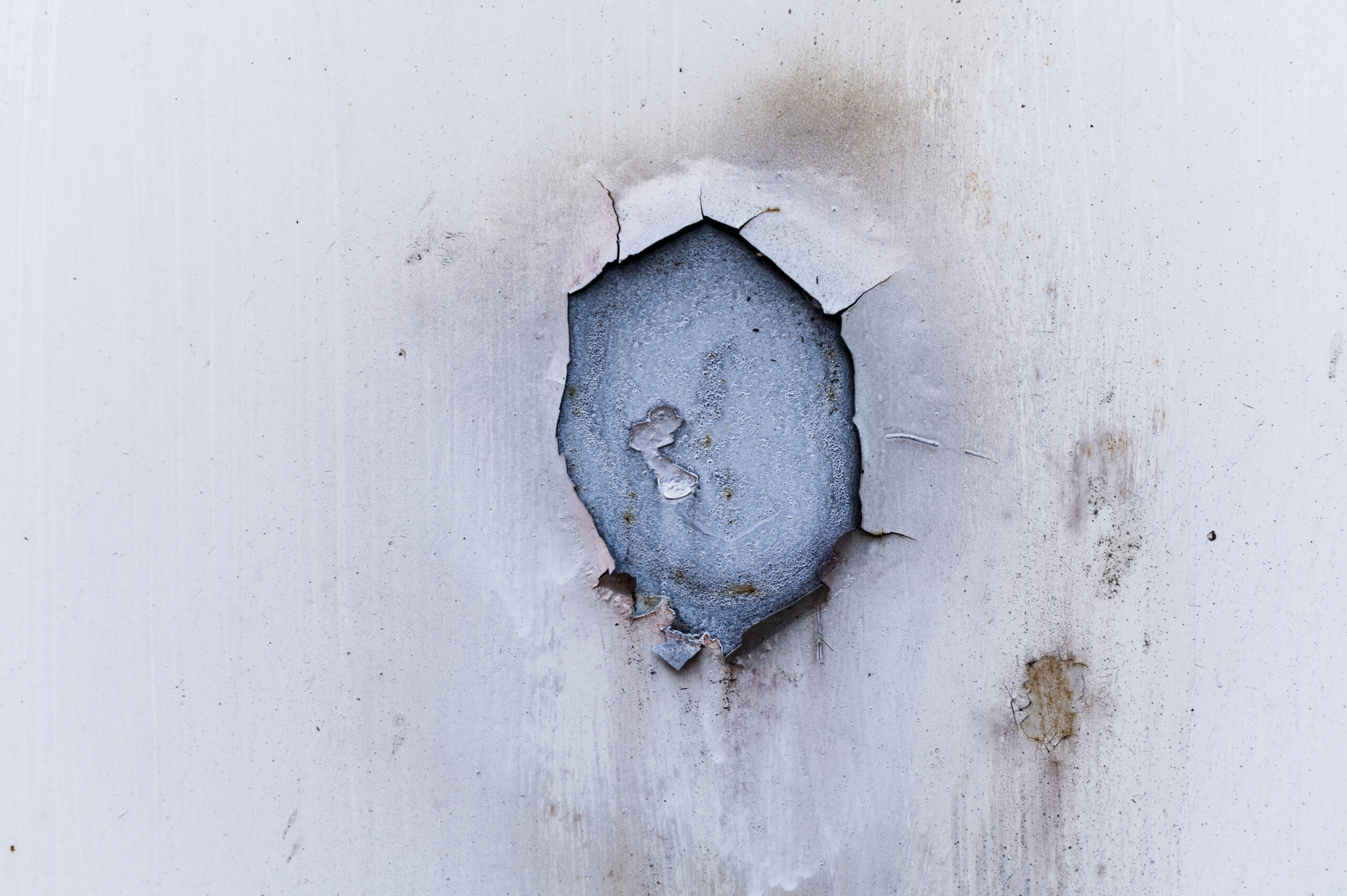
A damp patch on a wall, but with no leak, does not always relate to plumbing or roofing faults. Moisture can enter through building materials or develop internally without any visible sign of water ingress.
Walls absorb moisture over time, and this process can remain hidden until surface damage appears. Many assume that damp must involve dripping water, yet in most cases, it forms slowly and becomes visible only after it has spread.
The most common causes of damp patches on walls fall into three categories:
- Condensation forming on cold surfaces
- Rising damp moving upward from ground level
- Penetrating damp entering through external defects
Understanding how each behaves helps identify the likely source and avoid applying the wrong solution.
Condensation Building Up on Cold Wall Surfaces
Condensation damp on walls in UK homes forms when warm air meets colder surfaces. Moisture held in the air is released as it cools, settling onto walls and other surfaces.
This often occurs in rooms with high humidity and limited ventilation. Activities such as cooking, showering, and drying clothes indoors increase moisture levels, which then collect on cooler areas.
Condensation typically appears:
- On external walls
- In corners with limited airflow
- Behind furniture placed against walls
In some cases, moisture is absorbed into paint or plaster rather than forming visible droplets. This creates patchy damp areas that can resemble other types of damp.
This remains one of the most common causes of unexplained wall moisture in UK properties.
Rising Damp Moving Up From Ground Level
Rising damp occurs when moisture travels upward from the ground through porous materials such as brick and plaster. This movement happens through capillary action and does not involve a visible leak.
It generally affects the lower sections of walls and develops gradually over time.
Common signs of rising damp on internal walls include:
- Tide marks forming along the base of walls
- Damp concentrated near floor level
- Peeling paint or deteriorating plaster
A failed or missing damp proof course allows moisture to move freely upward, which makes this a structural issue rather than a surface-level problem.
Where rising damp is suspected, professional damp proofing support from Home Energy Save GB can help confirm the cause and recommend the correct treatment.
Penetrating Damp Caused by External Defects
Penetrating damp develops when water enters a property through external walls. The source is outside the building, even though the damp patch appears internally.
Rainwater can pass through small defects and build up within the wall structure without creating a visible internal leak.
Common causes include:
- Damaged brickwork or mortar joints
- Cracked render exposing internal layers
- Faulty gutters or downpipes directing water onto walls
Penetrating damp symptoms in UK homes often present as irregular patches that can appear at any height. These patches may worsen during or after rainfall, which helps distinguish this issue from other causes.
Moisture spreads through the structure before becoming visible, which can delay identification.
How to Tell the Difference Between These Common Causes
Identifying why a wall is damp with no leak relies on observing patterns in location, timing, and appearance.
Key indicators include:
Location
- Lower wall areas suggest rising damp
- External-facing walls at any height suggest penetrating damp
- Corners or enclosed areas suggest condensation
Timing
- Damp appearing after rainfall suggests penetrating damp
- Constant damp at low level suggests rising damp
- Damp linked to colder weather or daily activity suggests condensation
Pattern
- Horizontal tide marks indicate rising damp
- Uneven or spreading patches indicate penetrating damp
- Surface moisture or mould indicates condensation
These observations help narrow down the likely cause. In some properties, more than one issue may exist at the same time, which makes accurate assessment important.
Signs That the Problem May Be Getting Worse
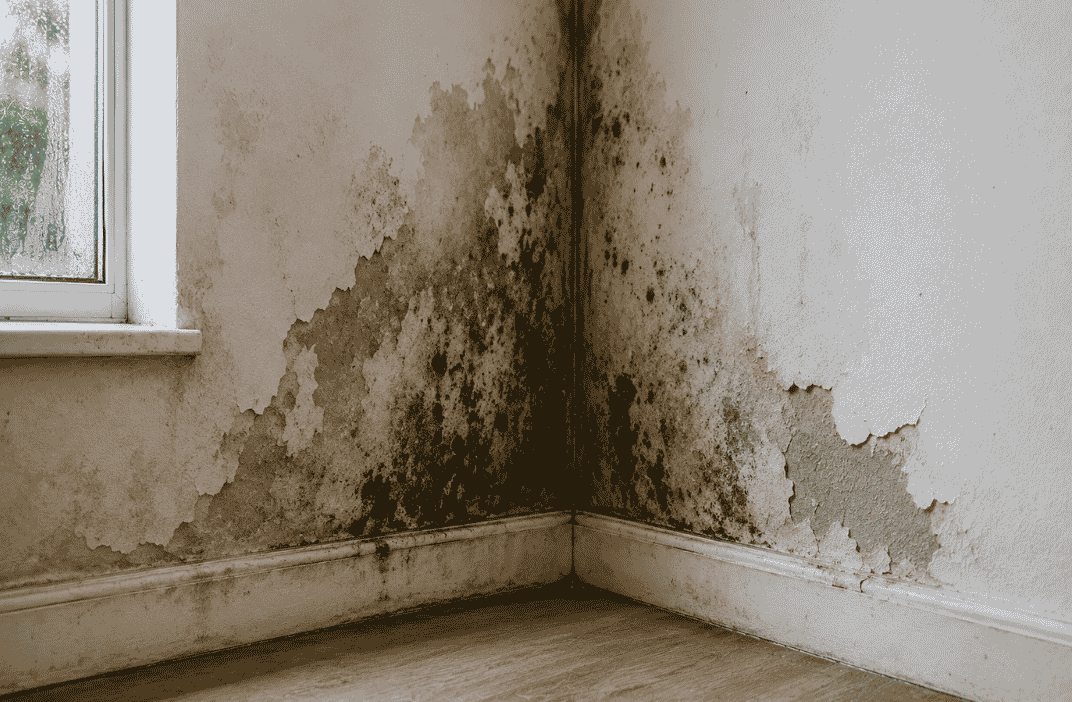
Damp rarely remains isolated. Over time, the affected area can expand and begin to impact the wider structure.
Warning signs include:
- Damp patches increasing in size
- Mould growth becoming more visible
- Persistent musty smells developing
- Paint or plaster breaking down
If left untreated, damp can affect indoor air quality and lead to more extensive repairs. Early identification helps limit damage and reduce long-term costs.
When to Get a Damp Specialist to Inspect the Wall
Professional support becomes necessary when the cause of damp remains unclear or continues to return. Recurring patches, spreading moisture, or worsening conditions often indicate a deeper issue.
A damp survey for internal wall damp will assess:
- The source of moisture
- The extent of the damage
- The most appropriate treatment
This removes guesswork and helps avoid applying the wrong solution.
Working with Home Energy Save GB provides a structured assessment and clear recommendations based on the condition of the property.
To arrange an inspection, you can contact us to set this up with us here and for even more tailored advice and support.
