
Moisture problems are common across UK homes, particularly in older properties or those with limited ventilation. Many homeowners notice damp patches, mould growth or a persistent musty smell, yet feel unsure what is causing it.
Damp and condensation often look similar at first, which leads to confusion and, in some cases, the wrong approach to fixing the issue. Misidentifying the problem can result in wasted time, unnecessary cost, and ongoing damage.
This guide explains the difference between damp and condensation, helping you understand the causes, recognise the signs, and decide when professional support may be needed.
Why Damp and Condensation Are Often Confused
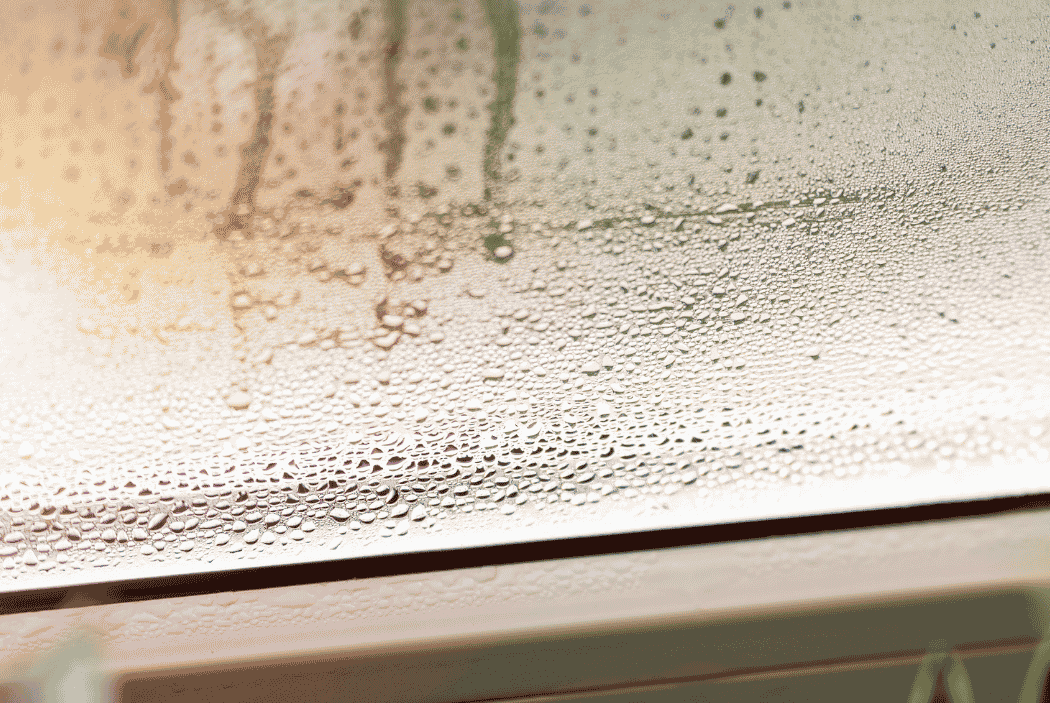
Damp and condensation share several visible symptoms, which makes them difficult to distinguish without closer inspection. In many homes, the early signs appear almost identical.
Common shared signs include:
- Moisture appearing on walls or windows
- Mould growth forming in corners or behind furniture
- Musty smells developing in enclosed or poorly ventilated spaces
These similarities often lead to incorrect assumptions. A wall with mould, for example, may be mistaken for a structural damp issue when the cause is trapped indoor moisture. This confusion can lead to ineffective treatment and the problem returning over time.
What Damp Means in a Property
Damp refers to moisture entering a property through external sources or structural faults. It is usually more persistent than surface moisture and can spread across walls, ceilings or floors if left untreated.
In many cases, damp indicates an issue within the building itself rather than everyday living conditions.
Common types include:
- Rising damp, where groundwater moves upward through brick and plaster
- Penetrating damp, where water enters through defects such as cracked walls, damaged roofs or faulty guttering
The causes of damp in homes across the UK are often linked to structural wear, weather exposure, or ageing materials. These issues allow water ingress to develop gradually.
Damp typically requires more than a surface-level fix. Addressing the source is necessary to prevent further damage and protect the structure of the property.
What Condensation Means in a Property
Condensation forms when warm air meets a colder surface, creating moisture in the form of water droplets. This process takes place inside the home and is linked to everyday activities.
Moisture is released into the air during:
- Cooking
- Showering
- Drying clothes indoors
When this warm, moisture-filled air comes into contact with cooler surfaces such as windows or walls, it condenses into water.
Condensation is an internal issue rather than a structural one. It can still cause visible problems if not managed, particularly in areas where airflow is limited.
Understanding what condensation in a house looks like helps distinguish it from more serious damp problems.
How the Causes of Damp and Condensation Differ
| Issue | Damp | Condensation |
| Cause | External or structural | Internal moisture |
| Source | Water ingress | Everyday activities |
| Control | Repairs required | Ventilation improvements |
This comparison highlights the difference between damp and condensation and explains why each requires a different approach.
Where Damp and Condensation Commonly Appear in the Home
The location of moisture can help identify the likely cause.
Damp commonly appears in:
- Lower sections of walls, especially on ground floors
- External walls exposed to weather
- Ceilings near roof issues or leaks
Condensation commonly appears in:
- Windows and window frames
- Bathrooms with limited ventilation
- Kitchens during and after cooking
- Behind furniture where airflow is restricted
Recognising these patterns helps narrow down the cause before further investigation.
How the Signs and Symptoms Compare
Each issue has its own set of signs, although some overlap can occur.
Damp signs:
- Peeling paint or wallpaper
- Tide marks forming along walls
- Crumbling plaster in affected areas
Condensation signs:
- Water droplets on windows, often in the morning
- Black mould spots around frames or corners
- Damp smells in rooms with poor airflow
Understanding the signs of damp vs condensation helps guide early identification and reduces the risk of applying the wrong solution.
What Damage Damp Can Cause Compared With Condensation
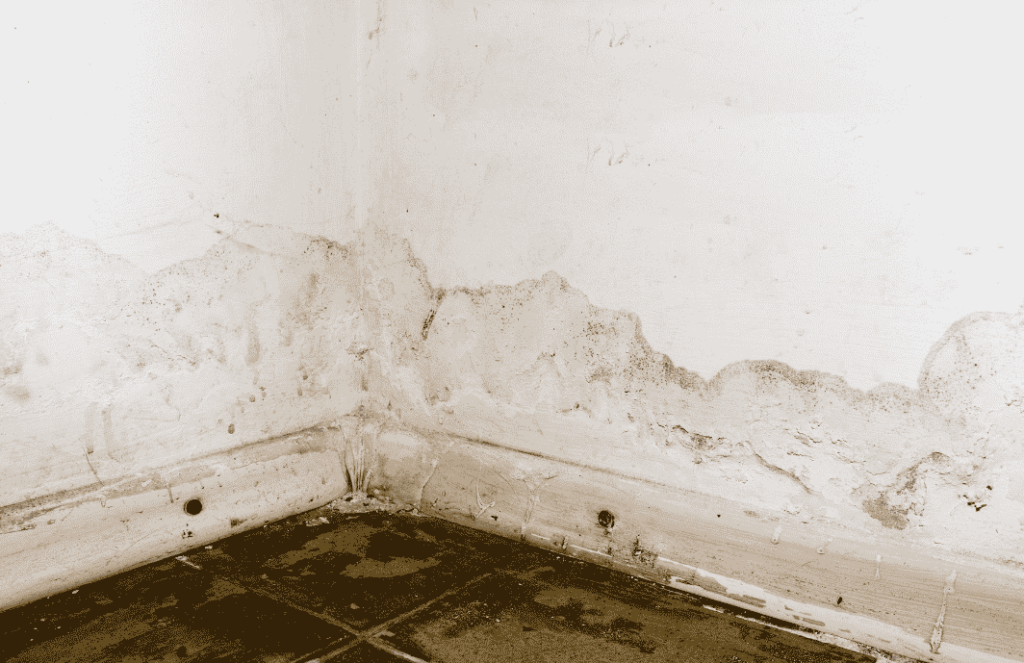
Damp can lead to more serious structural problems over time. Prolonged moisture exposure may result in timber rot, weakened walls, and long-term repair requirements. This type of damage can affect both the condition and value of a property.
Condensation, by comparison, usually causes surface-level issues. Mould growth is the main concern, particularly in poorly ventilated areas. This can affect indoor air quality and may lead to health concerns, especially for those with respiratory conditions.
Both issues present risks, though damp generally involves a deeper structural impact.
How Treatment Differs for Damp and Condensation Problems
Treating damp requires addressing the source of water ingress. This often involves structural repairs or professional damp proofing to prevent moisture from entering the property.
Working with experienced providers such as Home Energy Save GB helps identify the correct treatment and avoid unnecessary work.
Condensation, by contrast, is managed by reducing indoor moisture levels and improving airflow. Common solutions include:
- Increasing ventilation through extractor fans or vents
- Adjusting daily habits, such as avoiding indoor drying of clothes
- Using dehumidifiers to control excess moisture
Misdiagnosing condensation vs damp walls can lead to ineffective fixes and increased costs over time.
When to Get a Professional Diagnosis
There are situations where professional assessment becomes necessary. Persistent or recurring symptoms often indicate that the underlying cause has not been addressed.
Key triggers include:
- Mould returning after cleaning
- Damp patches spreading or worsening
- No clear link to everyday activities
A damp survey for internal wall damp provides a clear understanding of the problem, including the source, severity, and required treatment.
Working with Home Energy Save GB offers an accurate diagnosis without guesswork, helping homeowners avoid unnecessary expense and repeated issues.
To arrange an assessment, you can contact us to get things moving forward to help your home and for further advice.
