
If you have spotted tiny holes in timber, dust beneath skirting boards or wood that feels softer than it should, it is natural to wonder whether woodworm could be the cause. In many UK homes, especially older properties, timber damage develops slowly and is often linked with damp conditions, condensation or poor ventilation.
One of the biggest mistakes homeowners make is assuming every hole means there is an active infestation. In reality, some woodworm damage may be decades old, while fresh dust or spreading weakness can point towards ongoing timber deterioration.
At Home Energy Save GB, timber concerns are often uncovered during damp and property condition surveys. Older homes regularly contain hidden moisture problems that affect how timber performs over time, particularly in roof spaces, floor voids and poorly ventilated rooms.
This guide explains what woodworm can look like, where it commonly appears and when professional investigation may be worth considering.
Small Round Holes in Timber Are Usually the First Visible Sign
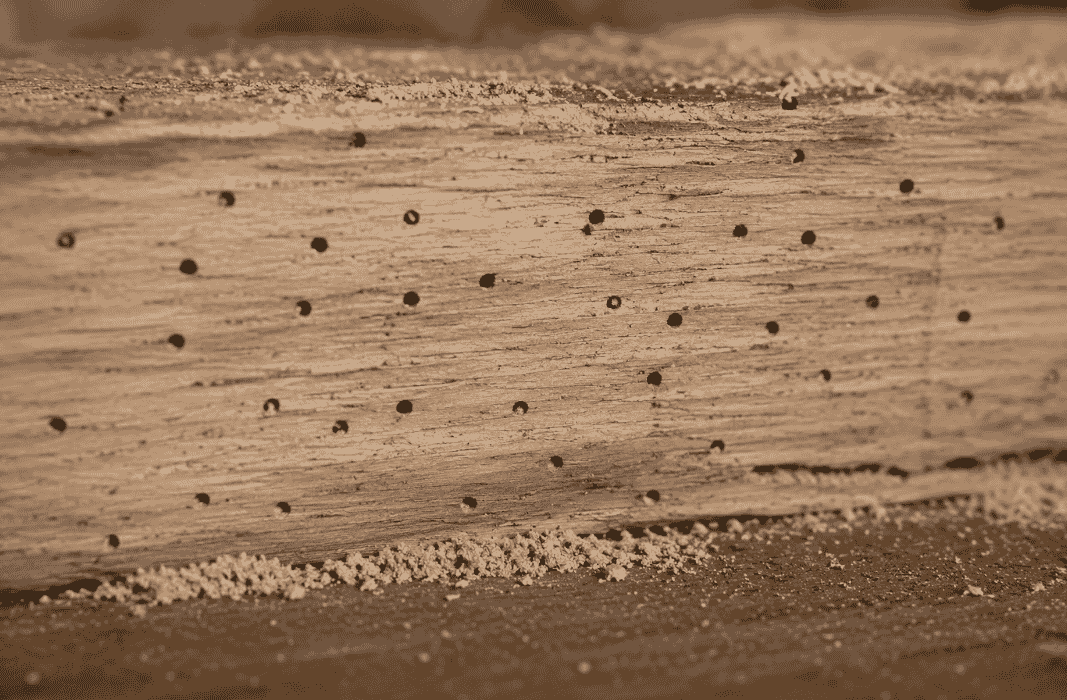
Small round holes are one of the clearest signs associated with woodworm. These holes appear when adult beetles leave the timber after developing beneath the surface.
In many homes, the holes are first noticed on painted skirting boards, loft timbers or original floorboards. Older Victorian and Edwardian properties often show historic timber marks that have been covered over several times during decorating work.
Fresh holes tend to appear cleaner and sharper around the edges, while older holes often look darker, filled in or softened by layers of paint and dust.
| What Homeowners Notice | What It May Suggest |
| Clean new holes appearing | Possible recent activity |
| Darkened or painted-over holes | Older historic damage |
| Holes alongside fresh dust | Potential active infestation |
| Isolated holes with no other symptoms | May be historic only |
At Home Energy Save GB, timber inspections are approached alongside wider property conditions. Damp walls, poor airflow and long-term condensation can all influence whether timber deterioration continues over time.
Fine Dust Around Timber Can Be More Important Than the Holes
Many homeowners become more concerned when they notice powdery dust appearing beneath affected timber. This dust, known as frass, is created as larvae tunnel through wood internally.
The important detail is not simply whether dust exists, but whether it keeps returning.
For example, a loft beam may show old holes that have been there for years. If the surrounding area remains clean and stable, the damage may be historic. However, if fresh pale dust reappears after cleaning, it can suggest ongoing activity inside the timber.
This is why Home Energy Save GB focuses heavily on inspection patterns rather than isolated symptoms alone. Timber issues are rarely judged properly from a single photograph or quick visual glance.
Woodworm Damage Often Weakens Timber From Inside Out
One reason woodworm can be difficult to judge is that the visible surface does not always reflect the condition underneath.
Timber may still look stable externally, while hidden internal tunnelling has gradually weakened the structure beneath the surface. In older homes, this is commonly discovered during renovation work, flooring replacement or damp investigations.
Some of the most common warning signs include:
- Floorboards that flex more than expected
- Window frames that crumble near corners
- Timber edges breaking away under pressure
- Hollow sounds when wood is tapped
- Skirting boards becoming fragile during decorating
Home Energy Save GB regularly sees these symptoms in properties where moisture problems have gone untreated for long periods. Persistent dampness can accelerate timber deterioration and create conditions where hidden damage develops slowly over time.
Damp Timber and Poor Ventilation Can Increase the Risk
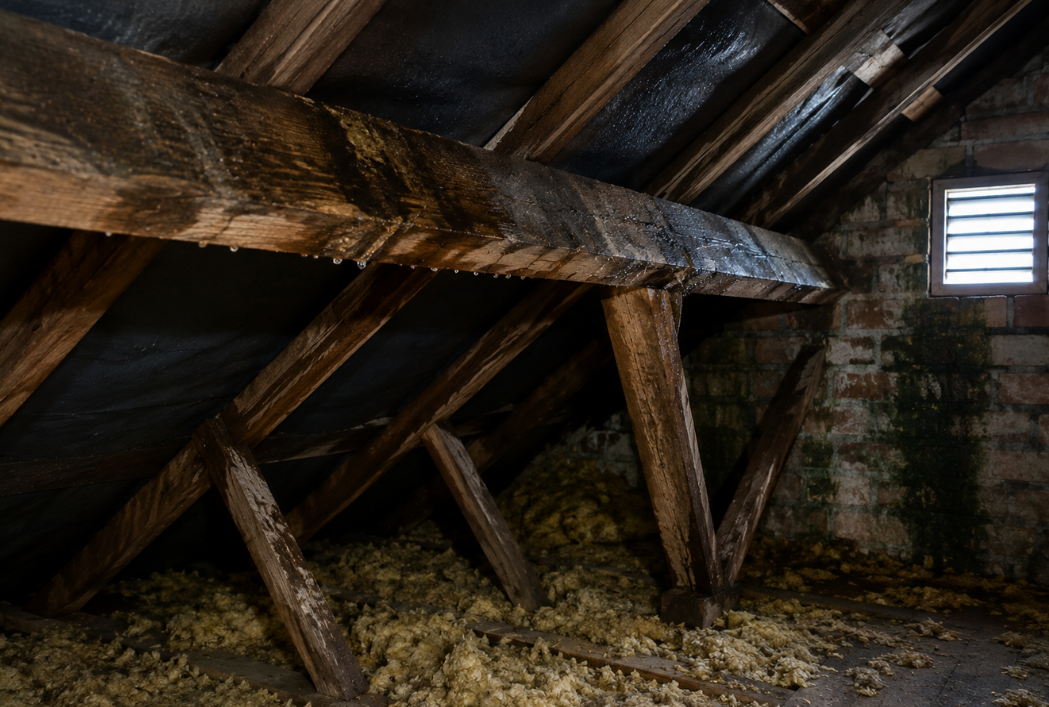
Woodworm is frequently associated with older, damp or poorly ventilated areas of a property. Moisture itself does not directly create woodworm, but damp timber can become more attractive to wood-boring beetles.
This is particularly common in:
- Loft spaces with roof leaks
- Ground-floor timbers near rising damp
- Cellars with limited airflow
- Built-in cupboards on external walls
- Under-stair voids with condensation issues
At Home Energy Save GB, timber concerns are rarely treated as isolated problems. The surrounding property conditions matter just as much as the visible timber damage itself.
Where moisture remains unresolved, simply treating the timber without addressing ventilation or damp can allow problems to continue returning.
You can learn more about professional woodworm treatment if timber damage appears active or continues worsening.
Signs the Damage May Be Getting Worse
Not all woodworm damage needs urgent treatment. The more important question is whether conditions appear stable or continue changing over time.
The table below shows the difference between signs that may suggest historic damage and signs that may justify further investigation.
| Potentially Historic Signs | Signs Worth Investigating |
| Old dark holes | Fresh clean holes |
| No returning dust | Dust repeatedly reappearing |
| Stable solid timber | Softening or movement |
| Isolated local damage | Damage spreading nearby |
| Dry surrounding timber | Ongoing damp conditions |
Homeowners are often reassured simply by understanding the difference between old cosmetic marks and signs of ongoing timber deterioration.
When Professional Advice May Be Worthwhile
Professional investigation is usually sensible when timber feels unstable, fresh dust continues appearing or moisture problems are affecting surrounding areas.
Home Energy Save GB assesses timber concerns as part of wider damp and property condition investigations. This helps homeowners understand whether the issue appears cosmetic, historic or linked to deeper moisture-related deterioration elsewhere in the property.
If you are unsure whether the signs in your home point towards active woodworm, you can contact us to arrange a professional property survey.
Woodworm can appear in several different ways, from small holes and powdery dust through to weakened timber and hidden internal damage. The surrounding conditions often matter just as much as the visible signs themselves.
Older homes with damp, condensation or poor airflow are more vulnerable to timber deterioration over time, which is why proper diagnosis is important before deciding what action to take next.
At Home Energy Save GB, our property surveys focus on the wider picture, helping homeowners understand whether timber damage appears historic, moisture-related or potentially active before recommending the next step.
