
Across Britain, discussion around damp patches, window condensation and mould growth has intensified, and attention on the most affected damp and mould places in the UK continues to grow.
Regional climate, housing age and maintenance standards all shape moisture patterns, yet postcode alone rarely determines risk.
National data highlights trends, though individual construction types and ventilation habits often matter more. Recent reporting on cold housing has reinforced concern about indoor conditions during winter.
Here in this article, we review regional damp trends and complaint patterns, offering context for homeowners assessing how national figures may relate to their own property.
Why Damp and Mould Are Rising Concerns Across the UK

National awareness of damp and mould has increased in recent years, partly following high-profile housing investigations and greater media scrutiny. Reports linked to cold housing and fuel poverty suggest more households are limiting heating use as energy prices rise, which can increase condensation risk in poorly ventilated rooms.
Energy efficiency upgrades have improved insulation standards across the country, yet tighter building envelopes can restrict natural airflow if ventilation is not upgraded at the same time. Double glazing and loft insulation help retain heat, although moisture produced through everyday living still needs an escape route.
Industry specialists, such as Home Energy Save GB, note that many moisture problems develop through an imbalance between insulation, ventilation and heating patterns rather than a single structural fault.
Long-term damp exposure has been associated with respiratory irritation according to UK health authorities, which reinforces why geographic data and building performance deserve careful review.
The UK Regions Reporting the Highest Levels of Damp
Housing surveys such as the English Housing Survey indicate that older housing stock and lower energy efficiency ratings correlate with higher damp prevalence. Northern regions contain larger shares of pre-1919 homes, many constructed before modern damp-proof courses became standard. Western parts of England, Wales and Scotland record higher annual rainfall than eastern counties, increasing exposure to penetrating damp where maintenance lapses.
Industrial towns with dense Victorian terraces often report elevated issues linked to solid wall construction. Where verified regional rankings are unavailable, it remains more accurate to reference areas reporting higher levels rather than publish fixed league tables.
Cities With the Highest Mould Complaint Rates
Local authority complaint data offers partial insight into mould complaints UK figures, although interpretation requires caution. Urban centres with high rental densities often report more complaints, partly because formal reporting routes are clearer in regulated housing sectors.
Dense city living can limit natural airflow between buildings, especially in converted flats or subdivided terraces. Shared walls and limited cross-ventilation may increase condensation risk in winter. Rental properties appear more frequently in complaint datasets, yet that does not necessarily indicate higher severity compared with owner-occupied homes.
Media coverage and tenant awareness campaigns influence reporting volumes. Complaint statistics reflect engagement levels as much as underlying building conditions, which is why raw numbers rarely provide a complete picture.
Coastal Areas Most Affected by Moisture Problems
Coastal exposure presents distinct challenges. Wind-driven rain can force moisture through hairline cracks in masonry, particularly during prolonged storms. Salt carried in sea air accelerates the deterioration of brickwork and mortar joints, increasing the likelihood of water ingress over time.
Humidity levels often remain higher near the coast, reducing the drying capacity of external walls. Older seaside properties, many dating from the Victorian or Edwardian period, may lack modern cavity wall systems or effective damp barriers. Maintenance cycles, therefore, become more frequent compared with inland equivalents.
Property owners in coastal towns often face ongoing repair requirements, especially where render, pointing or roof coverings show signs of wear.
How Property Age Impacts Damp Prevalence
Property age remains one of the strongest indicators in damp statistics UK reporting. Homes built before 1920 often lack modern damp-proof courses, relying instead on breathable materials and ventilation patterns that require consistent upkeep.
Mid-century housing introduced cavity wall construction and early insulation products. Some retrofitted cavity wall insulation systems have performed well, yet others have contributed to moisture retention where installation standards varied.
Modern homes achieve higher EPC ratings through airtight construction and improved glazing. These homes can reduce heat loss significantly, though reduced background ventilation increases condensation risk if extractor fans and trickle vents are underused. Building design has evolved across decades, and moisture management expectations have evolved alongside it.
The Link Between Energy Efficiency and Condensation
Energy efficiency measures reduce heat loss and support lower carbon emissions, though problems can develop where ventilation receives less attention. Airtight construction traps warm air effectively, yet that air carries moisture from cooking, bathing and everyday living.
Double glazing limits draughts that once provided background airflow, which can increase condensation if extractor fans and vents remain underused. Insulation upgrades completed without ventilation improvements may contribute to condensation problems that UK households report in winter.
A balanced strategy that combines insulation, heating control and managed airflow protects efficiency gains while keeping internal moisture at stable levels.
Postcode Trends in Basement Damp Reports
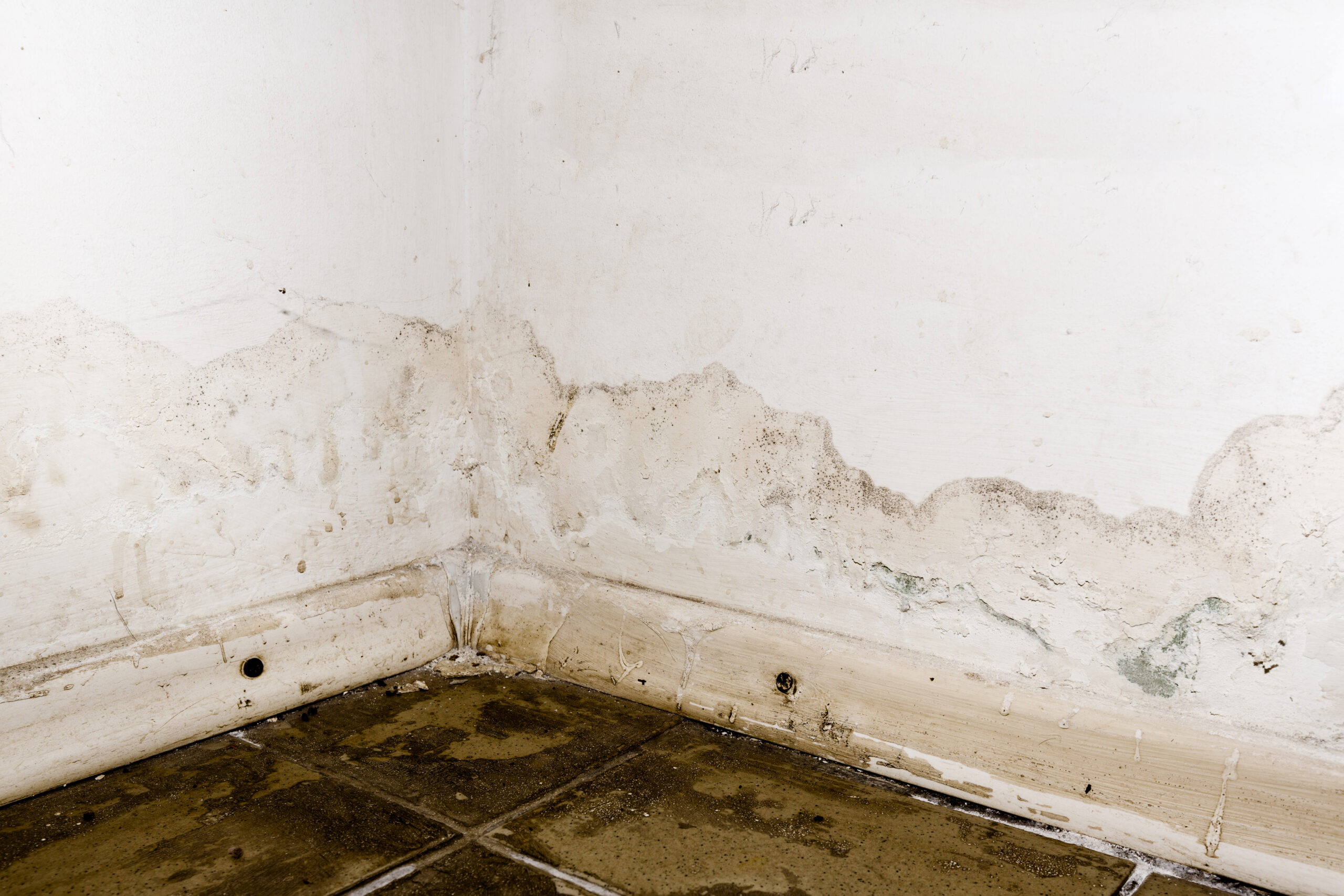
Certain UK cities contain higher concentrations of Victorian and Edwardian homes built with basements. Below-ground rooms sit against retaining soil, which exposes walls to hydrostatic pressure during sustained rainfall. Urban terraces across parts of the Midlands, Northern England and London often include cellars later converted for storage or living space.
Older waterproofing systems may not meet current standards, increasing damp risk by postcode in areas where basement properties cluster. Where postcode-level datasets are limited, it remains more responsible to reference construction patterns rather than assign fixed rankings or percentages.
Social Housing vs Private Housing Damp Statistics
Damp statistics vary between social housing and private sectors, partly due to structured reporting mechanisms within housing associations and councils. Tenants in regulated accommodation often access clearer complaint channels compared with private homeowners managing issues independently.
Maintenance responsibility differs across tenures. Social landlords hold statutory repair obligations, which can increase recorded complaint volumes. The media’s focus on housing conditions has amplified reporting awareness in recent years.
Complaint volume should not be confused with severity. Higher reporting levels may reflect improved transparency rather than deteriorating building standards. Neutral interpretation of these figures remains essential.
Health Complaints Linked to Damp Homes
UK health guidance associates persistent damp and mould exposure with respiratory irritation, coughing and exacerbation of existing asthma. Children, older adults and individuals with pre-existing conditions appear more vulnerable to poor indoor air quality.
Early intervention reduces prolonged exposure and prevents deterioration of the building fabric. Where mould becomes visible indoors, professional inspection and targeted mould service support can help identify moisture sources and prevent recurrence. Addressing ventilation, heating patterns and moisture sources typically forms part of a broader property assessment.
Medical diagnosis sits outside the scope of housing surveys, yet building conditions clearly influence indoor environments. Responsible reporting avoids overstating risk while acknowledging documented associations.
What These Statistics Mean for UK Homeowners
National reporting on damp and mould places in the UK offers context rather than certainty for individual households. Higher rainfall regions or areas with older housing stock may show increased reporting levels, though construction type, upkeep and ventilation patterns often influence risk more directly than geography alone.
Homeowners noticing condensation, staining or persistent musty smells benefit from a professional assessment before assuming structural failure. Services such as damp proofing and targeted mould service inspections examine building fabric and airflow together to identify underlying moisture causes. If national damp trends raise questions about your own property, you can contact us at Home Energy Save GB to discuss your situation and receive guidance based on a structured damp survey.
