
Penetrating damp can feel confusing at first, yet it usually follows a logical and traceable pattern once you understand how water interacts with building materials. Many homeowners notice damp patches on internal walls and immediately assume rising damp or condensation, still the real cause often begins outside the property where rainwater finds a weakness in the structure.
If you have seen staining appear after heavy rain, paint lifting in one contained section, or plaster deteriorating near a chimney breast, you are certainly not alone. Across the UK, properties of all ages experience this form of moisture ingress. In most cases, the issue links to an external defect that has developed gradually rather than a sudden structural failure.
This guide explains what is penetrating damp, how it forms, how it differs from other types of damp, what warning signs to look for, and how professional diagnosis leads to effective treatment. Home Energy Save GB regularly supports homeowners facing these concerns, and early clarity often prevents wider disruption later.
What Is Penetrating Damp?
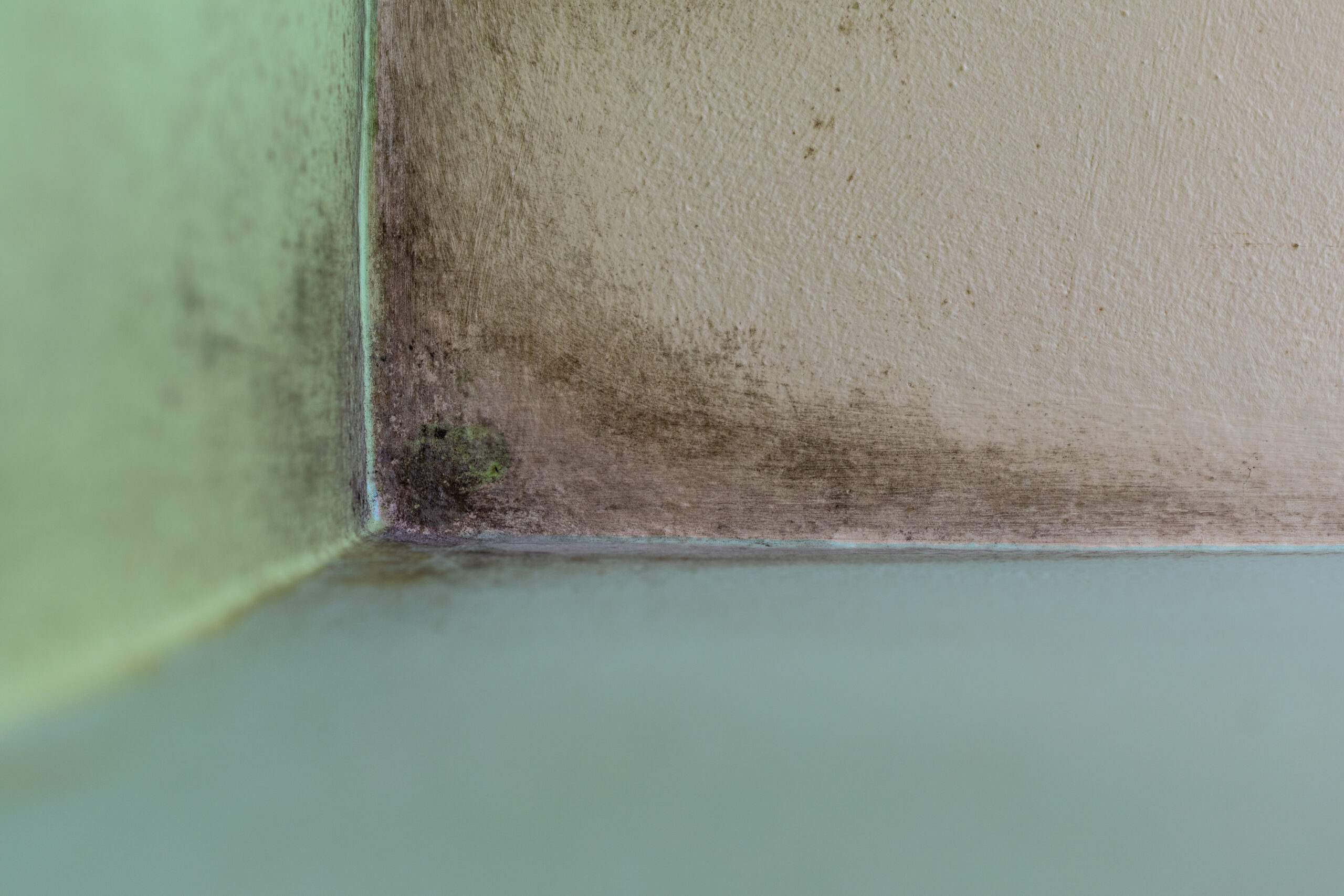
Penetrating damp refers to moisture that enters a property through a defect in the external building fabric. In simple terms, rainwater passes horizontally or laterally through walls, roofs or junctions rather than rising from ground level.
Unlike rising damp, which typically forms a fairly consistent horizontal tide mark near the base of a wall, penetrating damp can appear at any height within the building. It may show near ceilings, beside windows, around chimney breasts or midway up external walls. The internal location usually reflects the position of the fault outside.
The causes of penetrating damp almost always relate to maintenance or deterioration. Roof coverings shift over time. Flashing around chimneys loosens. Mortar joints erode gradually. Brick faces crack or become porous after years of weather exposure. None of these changes appear dramatic in isolation, yet repeated rainfall increases the likelihood of water ingress through walls.
It is important to distinguish penetrating damp from condensation. Condensation forms when warm, moisture-laden air meets cold surfaces. Penetrating damp results from rainwater physically entering through a structural defect. The two can sometimes coexist, yet the origin remains different.
If untreated, masonry absorbs moisture repeatedly. Internal plaster weakens. Decorative finishes deteriorate. The affected area often expands slowly beyond its original boundary. Accurate identification of the moisture pathway allows repairs to focus on the source rather than surface symptoms. At Home Energy Save GB, inspections prioritise this root-cause approach before recommending remedial work.
Common Causes of Penetrating Damp
Penetrating damp rarely develops without explanation. Well-maintained masonry resists typical rainfall. Water usually exploits weaknesses that have developed over time through ageing, movement or limited maintenance.
Understanding the causes of penetrating damp helps homeowners direct attention externally before assuming an internal fault.
Roofing Defects
The roof provides the primary defence against rainfall, yet it endures continuous exposure to wind, temperature shifts and frost cycles. Over time, small defects may appear.
Broken or slipped roof tiles create entry points where rainwater can track beneath the covering. Damaged flashing around chimneys or roof junctions allows water to seep into the roof void and adjacent wall sections. Even minor displacement may admit water during wind-driven rain.
Flat roof membranes often deteriorate gradually, particularly where standing water collects after rainfall. Small splits or surface fatigue may not be immediately visible from ground level. Blocked roof valleys can increase water retention and encourage overflow beneath tiles.
Internally, early warning signs may include:
- Ceiling stains beneath roof slopes
- Damp patches near the top of external walls
- Moisture around chimney breasts
- Discolouration in loft spaces
Roof leaks causing damp frequently present after heavy rainfall, then appear to subside during dry spells. This fluctuation often indicates a roof-level issue rather than internal condensation.
Damaged Brickwork and Mortar
Brickwork relies on intact mortar joints to form a weather-resistant barrier. Eroded pointing weakens that barrier and permits rainwater to enter fine gaps.
Hairline cracks in mortar may appear minor, yet during wind-driven rain they provide direct pathways for water ingress. Over time, repeated saturation increases moisture penetration depth.
Spalling bricks present another vulnerability. Freeze–thaw cycles cause the outer face of bricks to flake away, exposing more porous inner material. Cracked bricks similarly compromise the wall’s resistance to rainfall.
Breathability plays a central role in masonry performance. External walls should allow trapped moisture to evaporate outward. Applying non-breathable coatings can trap water within the wall structure, intensifying damp patches on internal walls rather than preventing them.
Careful assessment determines whether repointing, brick replacement or crack repair resolves the issue effectively.
Faulty Gutters and Downpipes
Gutters and downpipes manage roof runoff. When functioning correctly, they direct rainwater safely away from walls and foundations.
Overflowing gutters discharge water directly onto masonry. Repeated saturation gradually increases moisture absorption. Leaking joints in downpipes create concentrated damp zones below connection points.
Poor discharge at ground level may leave water pooling beside the building, increasing lateral moisture transfer through lower wall sections.
After heavy rainfall, look for:
- Streaking or green staining beneath gutters
- Visibly damp brickwork below joints
- Overflow marks at gutter edges
Routine inspection and annual cleaning significantly reduce these risks. In many cases, resolving rainwater goods defects eliminates the moisture source without further intervention.
Cavity Wall Issues
Cavity walls prevent moisture crossing from the outer leaf to the inner surface. The cavity acts as a protective barrier, allowing water that penetrates the outer leaf to drain harmlessly downward.
Debris within the cavity, including mortar droppings or displaced insulation, can bridge this gap. Once bridging occurs, moisture may transfer directly to the inner leaf.
Saturated cavity wall insulation can also hold moisture against internal masonry. This may result in damp patches appearing internally even where external defects seem limited.
Professional cavity inspection sometimes becomes necessary where symptoms persist without obvious external cracks. Home Energy Save GB includes cavity considerations within broader damp investigations, helping avoid incomplete repairs.
Typical Signs of Penetrating Damp Inside the Home
Recognising the signs of penetrating damp allows earlier action, yet interpretation must remain careful. Moisture patterns often reveal more than isolated marks.
Localised Damp Patches
Irregular damp patches represent one of the most common indicators. These patches rarely form straight horizontal lines. Instead, they appear uneven and confined to one section of wall or ceiling.
They may develop at any height. A roof defect may produce staining near the ceiling. Mid-level brickwork cracks may create patches halfway up a wall.
These areas frequently darken following rainfall and fade slightly during dry weather. This weather-linked fluctuation strongly suggests penetrating damp rather than rising damp.
Peeling Paint and Blistering Plaster
Decorative finishes break down gradually when exposed to ongoing moisture. Paint may bubble or flake in a contained area. Plaster may swell, soften or crumble.
Unlike condensation-related mould, which often spreads across colder surfaces more widely, penetrating damp damage aligns closely with one structural weakness.
Musty Odours
A persistent musty smell concentrated near a specific wall or ceiling area often indicates prolonged moisture exposure.
The odour may intensify during humid conditions. Surface cleaning rarely resolves the issue if the underlying water ingress remains active.
Why Penetrating Damp Often Gets Worse Over Time
Penetrating damp rarely improves without intervention. Each rainfall introduces additional moisture into the vulnerable area.
Masonry absorbs water gradually. Drying cycles may not fully remove accumulated moisture. Over time, saturation reduces the wall’s resistance to further ingress.
Freeze–thaw cycles can widen existing cracks incrementally. Damp areas may expand slowly beyond their initial boundary.
Internally, plaster weakens. Decorative finishes deteriorate further. Embedded materials, including timber joist ends, face prolonged exposure.
Home Energy Save GB frequently advises homeowners at this stage, where early corrective work remains manageable and prevents broader structural involvement.
The Risks of Ignoring Penetrating Damp
Penetrating damp usually develops gradually rather than suddenly, which makes postponement tempting. Ongoing moisture exposure, however, affects structural and interior elements over time.
Structural Deterioration
Persistent moisture weakens mortar joints. Masonry may erode incrementally. Cracks can widen gradually.
Long-term wall integrity depends on stopping water ingress at source rather than allowing repeated saturation.
Timber Decay
Structural timber embedded within damp masonry remains vulnerable. Joist ends exposed to ongoing moisture may develop wet rot.
Repairing timber without addressing water ingress rarely provides lasting protection. Eliminating the moisture pathway must precede timber repair.
Mould Growth
Persistently damp surfaces create favourable conditions for mould growth. Mould may form on plaster, paint finishes or adjacent furnishings.
Recurring mould often indicates unresolved water ingress rather than simple ventilation imbalance.
Addressing the structural cause reduces the likelihood of repeated mould treatment.
How Penetrating Damp Is Diagnosed Professionally
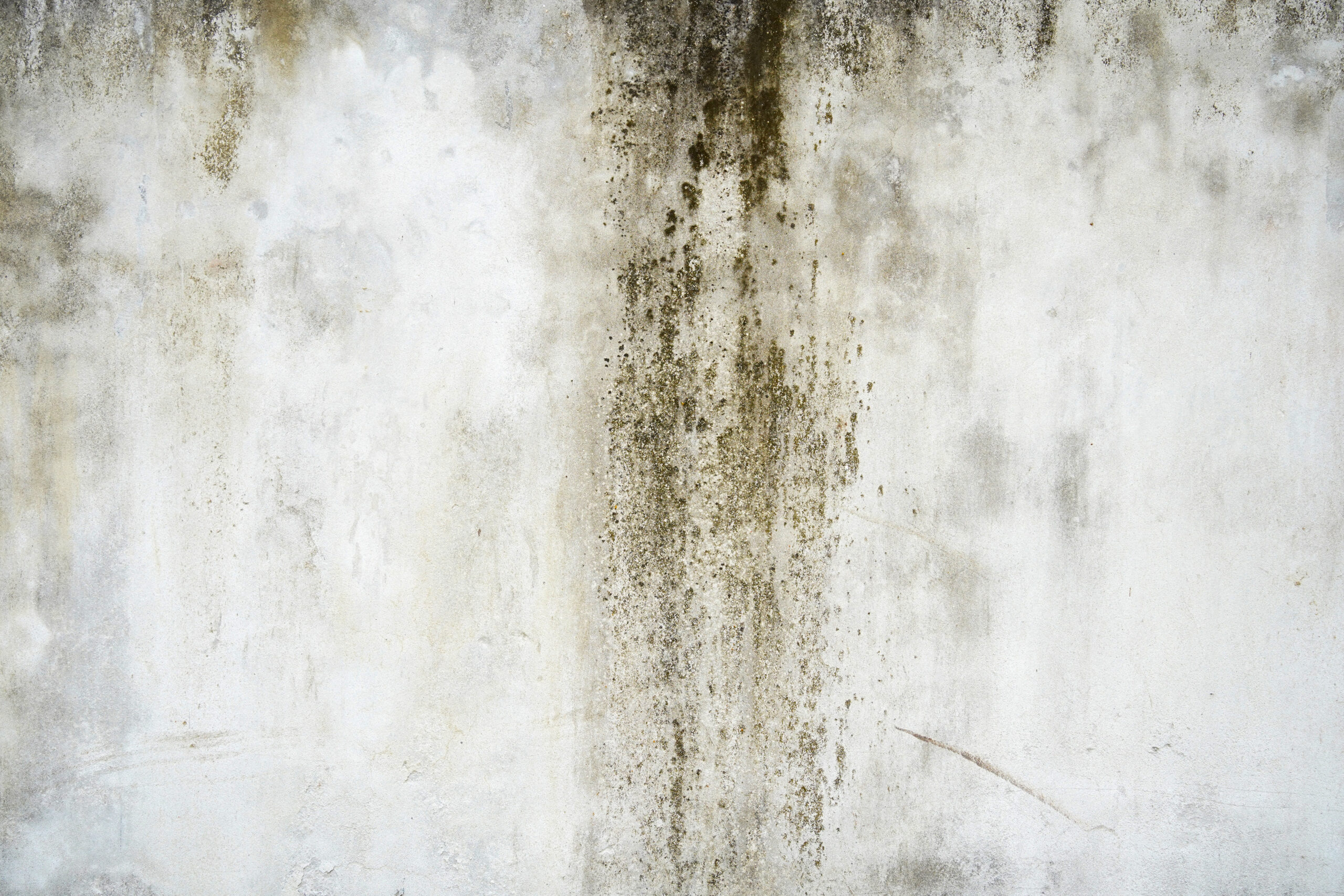
Surface staining alone does not confirm cause. Effective penetrating damp treatment begins with structured investigation rather than assumption. Many damp types share visual similarities, so diagnosis focuses on tracing moisture movement rather than reacting to isolated symptoms.
External Building Inspections
A comprehensive inspection usually starts outside. The objective is to identify potential entry routes before assessing internal impact.
Rooflines are examined for slipped or cracked tiles, deteriorated flashing and signs of water tracking beneath coverings. Chimney junctions and abutments receive particular attention, as minor gaps here can admit significant wind-driven rain.
Brickwork and mortar joints are assessed for cracking, erosion or spalling. External render coatings are checked for separation or hairline fractures. Gutters and downpipes are inspected for blockages, misalignment and leaking joints. Ground levels around the property are reviewed to ensure they do not encourage lateral moisture transfer.
This stage establishes whether water ingress through walls is plausible and where the most likely entry point exists.
Moisture Tracking and Testing
Internally, moisture meters are used to build a profile rather than take isolated readings. Patterns matter more than numbers in isolation.
Surveyors compare internal damp areas with external defects to confirm correlation. For example, a damp patch beneath a known gutter leak strengthens diagnosis. In contrast, evenly distributed low-level readings may suggest rising damp instead.
Eliminating alternative damp sources remains essential before confirming penetrating damp. At Home Energy Save GB, this evidence-led approach reduces misdiagnosis and avoids unnecessary internal treatments that fail to resolve the real issue.
Treatment Options for Penetrating Damp
Resolving penetrating damp requires correcting the external defect before addressing interior damage. Cosmetic repair without source removal frequently results in recurrence.
In some properties, broader moisture vulnerabilities may also be present. Where appropriate, integrated damp proofing strategies support longer-term protection and resilience.
External Repairs
External repair work focuses on restoring the building’s weather resistance.
Repointing renews mortar joints and seals small gaps that allow rain penetration. Severely spalled bricks may require replacement where deterioration has compromised structural integrity.
Roof repairs may include replacing slipped tiles, renewing flashing around chimneys or repairing flat roof membranes. Rainwater goods may need resealing, realignment or replacement to prevent concentrated wall saturation.
All materials used must remain compatible with the existing structure. Breathability should be preserved so trapped moisture can evaporate outward once water ingress stops.
Waterproof Coatings
In certain exposure conditions, breathable water-repellent coatings may provide additional surface protection.
These products reduce the rate of water absorption without sealing moisture inside the wall. Application suitability depends on wall construction, age and existing condition.
Inappropriate sealing treatments can trap residual moisture and intensify internal symptoms. Professional assessment determines whether coatings represent a benefit or unnecessary intervention.
Internal Remedial Works
Once the moisture source has been eliminated and sufficient drying has occurred, internal repair can begin.
Damaged plaster is removed where salt contamination or deterioration has taken place. Allowing adequate drying time proves critical. Masonry that has absorbed moisture gradually releases it at a controlled pace.
Replastering should use breathable materials that support ongoing evaporation. Decorative finishes should similarly allow vapour permeability to reduce future risk.
How Long Repairs Typically Take
Repair duration varies according to severity, access requirements and weather conditions.
Minor gutter adjustments or crack sealing may complete within a single visit. More extensive repointing projects or roof repairs may extend over several days.
Drying periods often exceed the physical repair time. Saturated masonry cannot be forced to dry immediately. Natural evaporation remains the most effective method once water ingress has stopped.
Seasonal conditions influence drying speed. Warmer, drier months typically support faster evaporation. Colder or persistently damp weather may slow progress.
Setting realistic expectations prevents premature redecorating, which can otherwise lead to surface failure if underlying moisture remains present.
Preventing Future Penetrating Damp Issues
Preventative maintenance plays a central role in long-term property care. Addressing small external defects early often prevents larger structural repair later.
Regular roof inspections allow minor tile movement or flashing wear to be identified before water tracking begins. Annual gutter cleaning prevents overflow that repeatedly saturates masonry.
Prompt repair of visible cracks in brickwork or mortar reduces the likelihood of gradual widening under freeze–thaw conditions. After severe weather, monitoring internal walls for new damp patches offers early warning.
Where properties sit in exposed locations, periodic professional review can provide reassurance that the building envelope remains sound.
If damp symptoms persist, spread or return despite maintenance, arranging a structured survey provides clarity on the underlying cause. Home Energy Save GB offers detailed assessments that focus on identifying moisture pathways accurately before recommending proportionate repair. You can contact us to arrange an inspection and receive practical guidance tailored to your property
