
Damp rarely appears without warning, yet it often follows a pattern that develops quietly over time. Many homeowners notice a small patch on a wall or a musty smell in one room, yet they are usually seeing just one stage of a wider process known as the home damp cycle.
This cycle explains how moisture enters a property, settles into materials, spreads gradually, and then returns again. In many cases, the cycle of damp in homes reveals why damp keeps coming back after surface-level fixes. Understanding each stage helps you respond earlier, protect energy efficiency, and avoid deeper structural deterioration forming unnoticed.
At Home Energy Save GB, we often find that once homeowners understand the pattern, decisions about repair become clearer and more cost-effective.
Moisture Introduction Into the Property
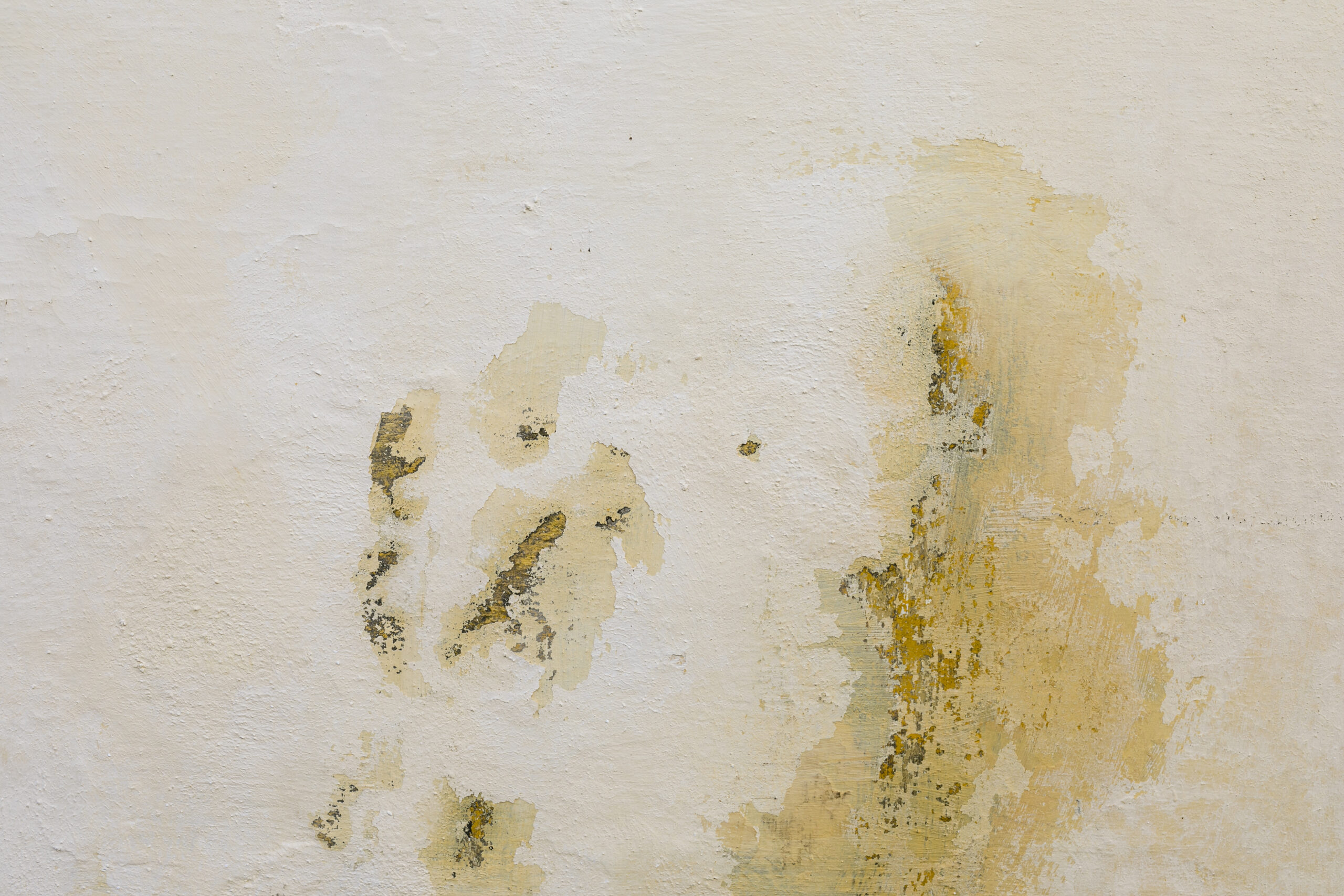
Every home contains moisture. Indoor air naturally holds water vapour from daily living. Problems arise when excess moisture enters and cannot escape effectively.
Rainfall may pass through slipped roof tiles or cracked pointing. Groundwater can move through masonry where protective barriers have weakened. Small fractures in render or brickwork allow slow but steady penetration.
Inside the home, everyday routines contribute more moisture than many realise. Cooking, showering, drying clothes indoors and even breathing release humidity into the air. In a well-balanced property, the moisture disperses naturally. In restricted environments, it lingers.
This introduction stage forms the beginning of the home damp cycle. Without continued moisture input, later stages struggle to develop. With ongoing exposure, however, the conditions for how damp spreads in a house begin to take shape.
Absorption Into Building Materials
Bricks, mortar, plaster and timber are porous by nature. They contain microscopic gaps that hold moisture when exposed repeatedly.
When water remains in contact with these materials, it absorbs gradually into the structure. In masonry, capillary action draws moisture through narrow channels, almost like liquid rising through a sponge.
At first, damp may appear superficial. Over time, deeper saturation develops behind finishes. Older properties can absorb moisture more readily, particularly where original materials lack modern damp barriers.
This stage marks an important transition in the stages of damp problems. The issue shifts from surface presence to material involvement. Once materials absorb moisture consistently, drying becomes slower and more complex.
Moisture Retention Within Walls and Floors
After absorption, moisture can remain trapped inside walls and floors for extended periods. Limited ventilation reduces natural evaporation. Sealed finishes or impermeable coatings may unintentionally restrict drying further.
Insulation plays a mixed role. Correctly installed insulation supports temperature stability and reduces condensation risk. Poorly fitted or saturated insulation can hold moisture against structural elements.
Basements and ground floors remain especially vulnerable. Surrounding soil often retains moisture, restricting outward drying. Cooler internal temperatures in these areas slow evaporation.
During colder months, drying rates reduce further. Lower temperatures limit moisture movement, allowing moisture build-up in walls to persist longer than expected. This retention stage strengthens the home damp cycle and prepares the ground for wider spread.
Where moisture retention continues without clear external cause, a structured assessment from Home Energy Save GB can help determine whether the source remains active or historical.
Evaporation and Re-Condensation
Moisture does not stay static. Under favourable conditions, it begins to evaporate back into indoor air. Warmer temperatures and modest airflow encourage release from saturated materials.
As evaporation increases indoor humidity, moisture redistributes through the property. When humid air meets colder surfaces such as external walls, window reveals or uninsulated corners, condensation forms again.
This stage often confuses homeowners. Damp patches appear in new locations, seemingly unrelated to the original source. In reality, condensation and structural damp may now interact.
Moisture that entered through one defect can re-condense elsewhere, reinforcing symptoms across different rooms. The home damp cycle becomes mobile at this point, spreading rather than resolving.
Salt Contamination and Hygroscopic Attraction
As moisture evaporates from masonry, it often leaves behind salts carried from the ground or embedded within building materials.
These salts are hygroscopic, meaning they attract moisture from the surrounding air. Even during dry weather, salt-contaminated plaster may feel damp because it continuously draws water vapour inward.
This explains why damp keeps coming back even after surfaces appear dry temporarily. Rising damp frequently involves this mechanism, since groundwater transports dissolved salts upward.
Over time, staining and blistering finishes appear. Plaster may deteriorate despite the absence of visible rainfall. Recognising salt contamination helps distinguish between active water entry and residual moisture effects.
Surface Mould Development
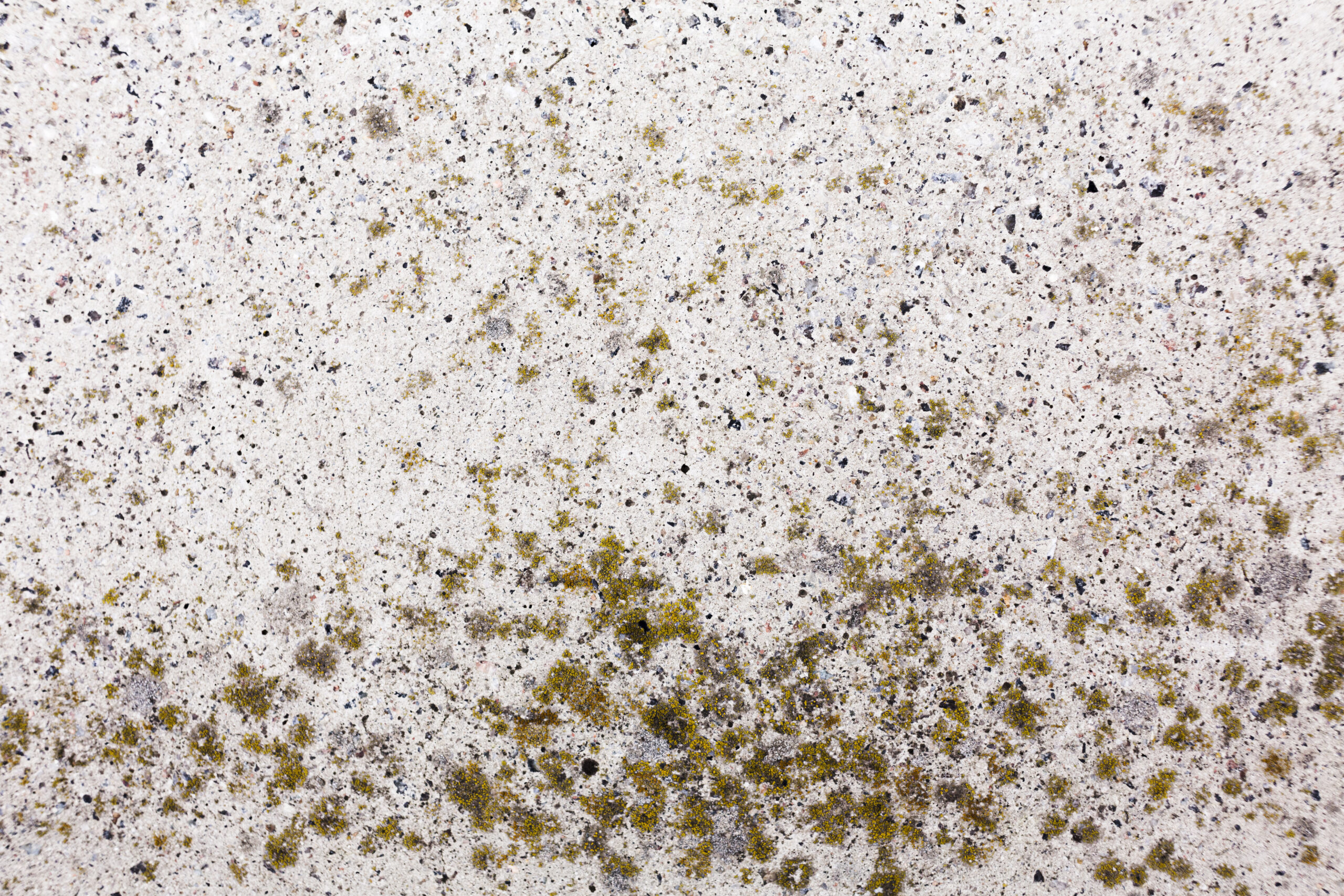
Mould growth requires moisture, organic material and stagnant air. Plaster, paint, wallpaper adhesive and household dust provide adequate nutrients once humidity remains elevated.
Common locations include:
- Room corners
- Behind large furniture
- Ceiling edges
- Window reveals
Condensation-related mould often forms on cold surfaces. Structural damp may produce deeper material breakdown before mould becomes visible.
Mould usually develops in later stages of the home damp cycle. By this point, moisture introduction, absorption and retention have persisted long enough to create stable conditions.
Although health effects vary, visible mould signals that moisture levels require attention rather than cosmetic treatment alone.
Material Degradation and Structural Impact
Extended exposure to moisture gradually weakens building materials. Plaster softens and may detach from masonry. Timber components can begin to decay where airflow remains limited.
Masonry joints deteriorate under repeated wetting and drying cycles. Decorative finishes blister and peel, reducing appearance and durability.
For energy-conscious homeowners, damp also affects thermal efficiency. Saturated walls lose some insulating performance, allowing heat to escape more readily. This can increase heating demand over time.
At this stage, the stages of damp problems move beyond cosmetic inconvenience into measurable property impact. Home Energy Save GB often identifies this phase during surveys where minor symptoms were left unaddressed for extended periods.
Increased Humidity and Recirculation
Persistent damp elevates indoor humidity across the property. Higher humidity accelerates condensation on colder surfaces elsewhere.
This creates a self-sustaining moisture loop. Moisture evaporates, circulates, condenses and absorbs again. The cycle strengthens over time.
What began as one localised issue can gradually influence multiple rooms. Understanding how damp spreads in a house becomes easier once this recirculation pattern is recognised.
Without intervention, the home damp cycle continues reinforcing itself.
Seasonal Intensification of the Damp Cycle
Seasonal changes influence how the cycle behaves.
Winter introduces colder surfaces, increasing condensation risk. Poor ventilation during colder months can intensify humidity retention.
Summer may introduce warm, humid air into cooler basements, leading to unexpected condensation on lower walls.
Freeze–thaw cycles during colder periods stress saturated masonry, widening small cracks and encouraging further moisture entry.
Homeowners often notice symptoms fluctuate across the year. These changes may mask the underlying continuity of the cycle, yet the pattern remains connected.
Breaking the Damp Cycle Effectively
Breaking the home damp cycle begins with identifying the original moisture source rather than treating visible symptoms alone.
Repainting over stains may improve appearance temporarily, yet moisture usually returns if entry points remain unresolved.
Practical steps include:
- Inspecting roofs, gutters and pointing regularly
- Improving airflow in kitchens, bathrooms and enclosed spaces
- Addressing structural defects promptly
- Avoiding non-breathable surface treatments
Where symptoms persist or spread, professional investigation helps confirm whether moisture introduction remains active or historical.
Early intervention typically prevents wider material degradation and reduces long-term cost.
If damp appears established or recurring, you can explore professional damp proofing with Home Energy Save GB for tailored guidance specific to your property, or you can contact us to arrange a structured survey and receive clear, proportionate advice.
