
Timber rot rarely appears suddenly. In most homes, it develops quietly after moisture has lingered against structural wood for longer than expected. If you want to stop timber rot, the focus must remain on controlling damp conditions rather than repairing visible damage alone.
Wet rot in timber usually stays localised where moisture persists, whereas dry rot in houses can spread through concealed voids if conditions remain favourable. Both forms trace back to excess moisture, which means prevention centres on identifying and reducing the causes of timber rot early.
At Home Energy Save GB, most timber issues we assess begin with overlooked moisture entry rather than timber failure itself. A consistent maintenance routine forms the foundation of effective timber decay prevention in any UK property.
Maintain Effective Ventilation Under Suspended Floors
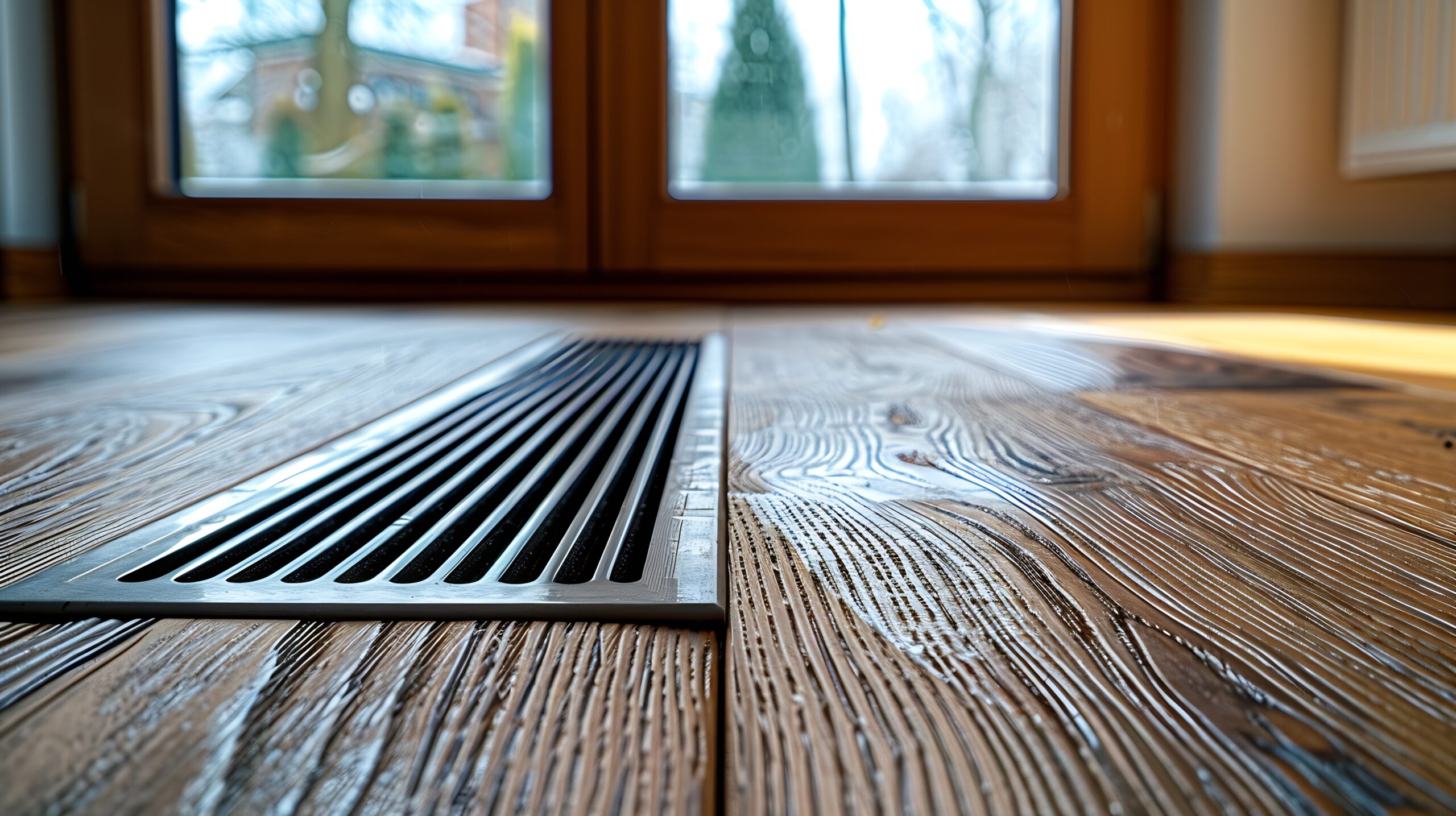
Airflow beneath suspended timber floors plays a central role in protecting joists and floorboards. Without steady circulation, moisture accumulates in the subfloor void and settles against timber surfaces.
In many older homes, air bricks provide cross ventilation. Fresh air enters from one side of the property and exits through the opposite side, preventing stagnant pockets from forming.
Blocked vents interrupt this balance. Soil build-up, raised paving or garden debris can restrict airflow gradually without homeowners realising. Stagnant air encourages fungal development associated with wet rot in timber.
Signs of inadequate underfloor ventilation may include:
- Musty odours near floor level
- Slightly springy floorboards
- Visible condensation on subfloor timbers
- Damp insulation beneath boards
Keeping air bricks clear remains one of the simplest ways to protect timber from moisture. Where natural airflow proves insufficient, professional assessment of subfloor ventilation for timber floors can confirm whether additional measures are required.
Repair Leaking Gutters and Downpipes Promptly
Rainwater goods control how water leaves the roof. When gutters overflow, external masonry becomes repeatedly saturated. Over time, that moisture may travel inward and reach embedded timber such as joist ends or wall plates.
Downpipes that discharge too close to foundations increase splashback and elevate moisture levels along lower wall sections. After heavy rainfall, checking for drips, staining or loose joints helps prevent gradual moisture ingress.
Small repairs at gutter level often prevent significant structural consequences later. For energy-conscious homeowners, keeping external walls dry also preserves insulation performance, as saturated masonry loses thermal efficiency.
Where repeated moisture patterns appear internally, Home Energy Save GB can assess whether rainwater goods defects contribute to timber vulnerability before decay becomes established.
Ensure Damp Proof Courses Are Not Bridged
A damp proof course, or DPC, forms a horizontal barrier within external walls to prevent ground moisture rising upward.
Problems develop when external ground levels rise above that protective line. Raised patios, flower beds or driveway resurfacing can bridge the DPC and allow moisture to bypass the barrier.
Internally, plaster or screed installed below DPC height may create similar bridging. Once moisture reaches adjacent timber, including skirting boards or joist ends, the risk of decay increases.
Maintaining correct ground clearance, typically at least 150 mm below DPC level, supports long-term protection. Identifying bridging early remains far simpler than repairing timber once decay progresses.
Address Roof Defects Without Delay
Roof coverings protect structural timbers from direct rainfall exposure. Slipped tiles, cracked slates or damaged flashing create entry points for water.
Blocked valleys or drainage channels hold standing water against coverings, increasing seepage risk. Over time, minor leaks may dampen rafters and purlins quietly.
Early loft-level warning signs may include:
- Dark staining on timber
- Damp odours in roof spaces
- Compressed or heavy insulation
- Light showing through roof coverings
Routine roof inspections reduce the likelihood of rot forming within structural timbers. If roof-level damp appears suspected, early investigation helps limit further damage.
Prevent Water Ingress Around Windows and Doors
Sealant around window and door frames deteriorates gradually. Small gaps may develop between masonry and frame units, allowing rainwater to track inward.
Moisture entering cavities can affect internal timber components, including lintels or nearby joists. Paint bubbling near reveals often signals concealed moisture movement.
Resealing failed joints forms a straightforward preventative measure. Regular visual checks of mastic lines and frame condition help reduce the risk of prolonged water exposure.
Treat External Masonry Defects Early
Cracked brickwork and eroded pointing create pathways for rain penetration. Spalling bricks, often linked to freeze–thaw cycles, expose porous internal surfaces.
Repeated saturation allows moisture to travel inward and affect concealed timber elements behind walls or floors. Over time, untreated masonry defects become contributing causes of timber rot.
Using breathable repair materials supports natural drying rather than trapping moisture inside the wall structure. Prompt masonry repair protects both the external envelope and the timber frame within.
Install Proper Subfloor Ventilation Systems
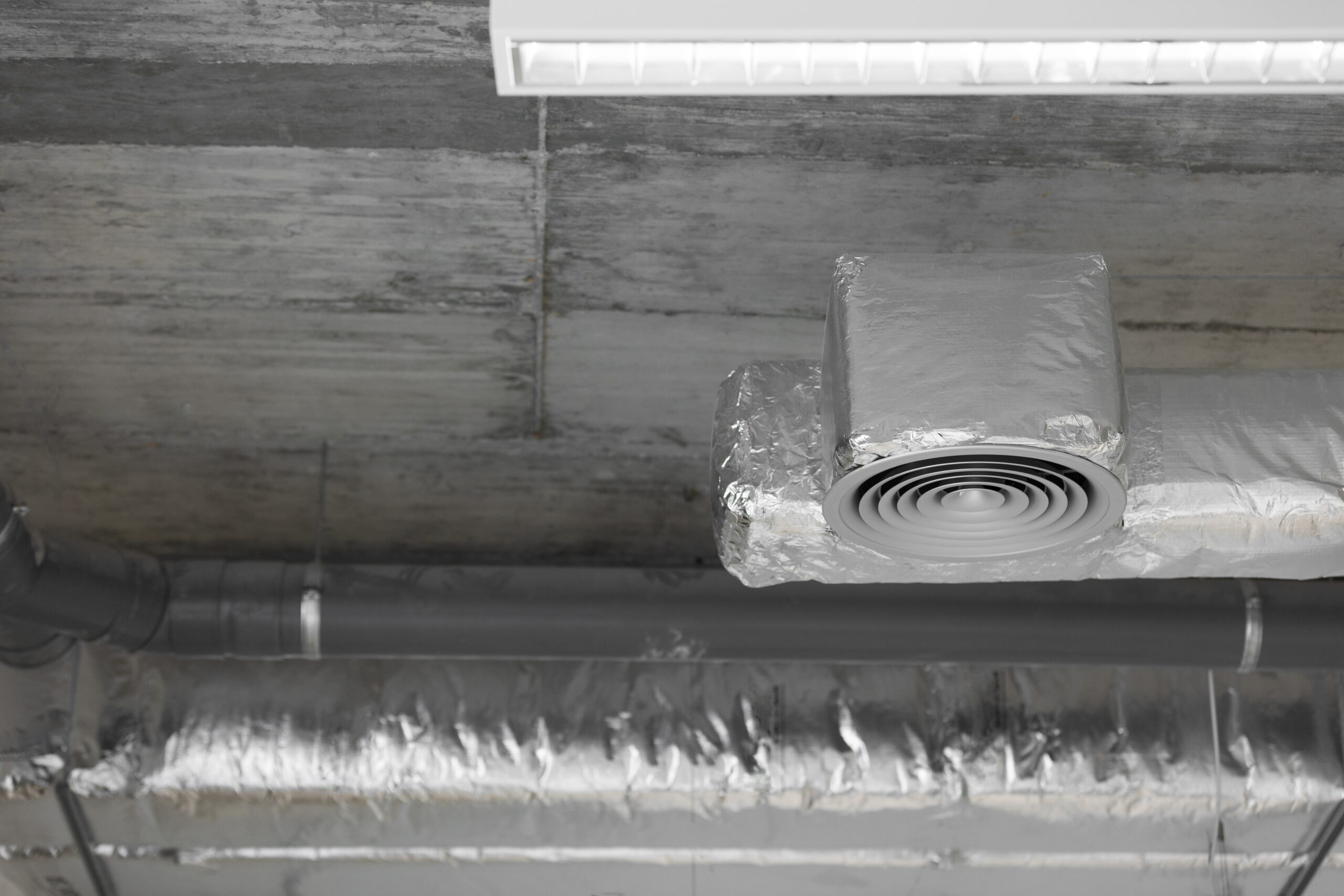
In some properties, passive air bricks do not provide adequate airflow across complex layouts. Internal sleeper walls, extensions or altered floor plans can interrupt natural cross ventilation.
Mechanical systems may assist where moisture readings remain elevated. The aim focuses on balanced airflow rather than sealing the subfloor void, which would trap damp air and increase risk.
Maintaining a dry subfloor environment supports long-term timber decay prevention. Where airflow uncertainty exists, a structured damp and timber assessment can determine whether enhanced ventilation is beneficial.
Carry Out Regular Property Maintenance Inspections
Preventative inspection reduces the chance of unnoticed moisture issues developing into rot.
A seasonal checklist may include:
- Inspect roof coverings and flashing
- Clear gutters and review downpipe discharge
- Examine brickwork and pointing
- Check ground levels near walls
- Inspect skirting boards for softness
- Monitor enclosed areas for musty odours
Documenting changes over time helps identify early patterns. Preventative care often proves significantly more manageable than reactive structural repair.
Seek Professional Damp Surveys at Early Warning Signs
Spongy timber, cracked paint along skirting boards, or persistent musty smells may indicate moisture already affecting structural elements.
Before any timber treatment begins, identifying the moisture source remains essential. Cosmetic-only repairs rarely resolve underlying damp conditions.
Specialist damp and timber surveys examine ventilation, masonry, drainage and humidity patterns together. This joined-up approach prevents isolated repairs that fail to address root causes.
If early signs raise concern, exploring professional timber treatment services offers a proactive route rather than waiting for decay to progress. For property-specific guidance, you can contact us at Home Energy Save GB to arrange a detailed damp and timber inspection.
