
Free Timber Survey
Protect your property with a professional timber survey from Home Energy Save GB. Our experienced surveyors assess the condition of timber throughout your home, identifying signs of decay, damp-related damage, woodworm infestations, and structural concerns to help you maintain a safe and healthy living environment.
WHY CHOOSE US?
Our experienced surveyors carry out a full property assessment to identify timber defects, signs of decay, wood-boring insect activity, moisture-related damage, and the most effective solutions to protect your home’s structural integrity.
Why homeowners choose us:
- Experienced & Qualified Local Surveyors
- 40+ Years Experience
- KIWA Accredited
- 5 Star Google Reviews
- 25 Year Guarantee On All Services
Book your FREE survey today by completing the form or by calling us on 0800 065 4044.
Book Your FREE Survey Here
Our Accreditations and Sponsors


Customer Reviews
EXCELLENTTrustindex verifies that the original source of the review is Google. Very happy with the service, the guys were very helpful. Did a good job and all sorted in one day. Very happy.Posted on GoogleTrustindex verifies that the original source of the review is Google. Josh & Tom arrived on time, explained everything in detail as they walked me around the property. They carried out a great Job & cleaned & tidied afterwards. Both friendly & polite lads. Would definitely recommend.Posted on GoogleTrustindex verifies that the original source of the review is Google. The whole process of dealing with this company, has been seemless everything was handled professionally, John who came to do the actual work did a very professional job, everything left neat and tidy, and all the process explained as the job progressed. Very pleased and satisfied with the end result.Posted on GoogleTrustindex verifies that the original source of the review is Google. Had Joel and Dylan from Home Energy Save GB. Very friendly professional and efficient. Completed a very dirty job in very warm conditions very well. Would definitely recommend.Posted on GoogleTrustindex verifies that the original source of the review is Google. Ellick came out today and did a full house insulation survey. Very efficient, friendly and thorough. Honest free advice provided, would highly recommend them to you.Posted on GoogleTrustindex verifies that the original source of the review is Google. Excellent workers Sean and Evan done a really good job house looks as if they haven't been . Am very pleased. .Posted on GoogleTrustindex verifies that the original source of the review is Google. The inspection went great, was very informative and gave us some things to keep in mind for the future. Thank you Dan for everything.Posted on GoogleTrustindex verifies that the original source of the review is Google. Excellent work by Adam, Ryan and Jake. Very professional and couteous, a great combination to see from these hard working lads.
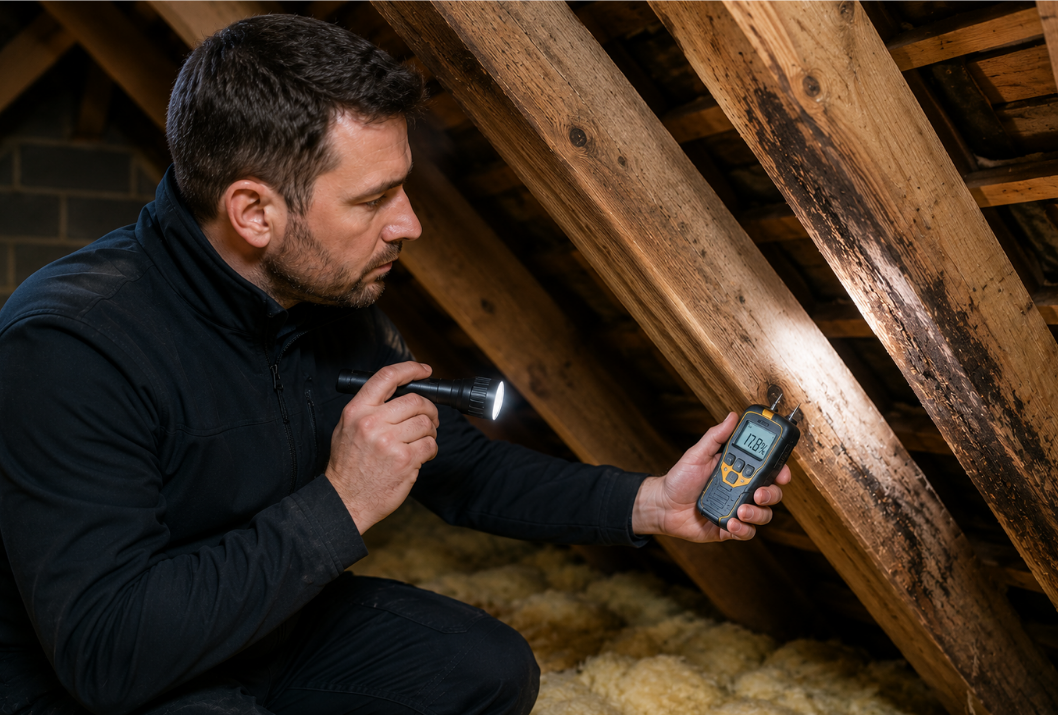
What's Included In Your FREE Assessment?
- Comprehensive timber condition assessment
- Inspection for wet rot and dry rot
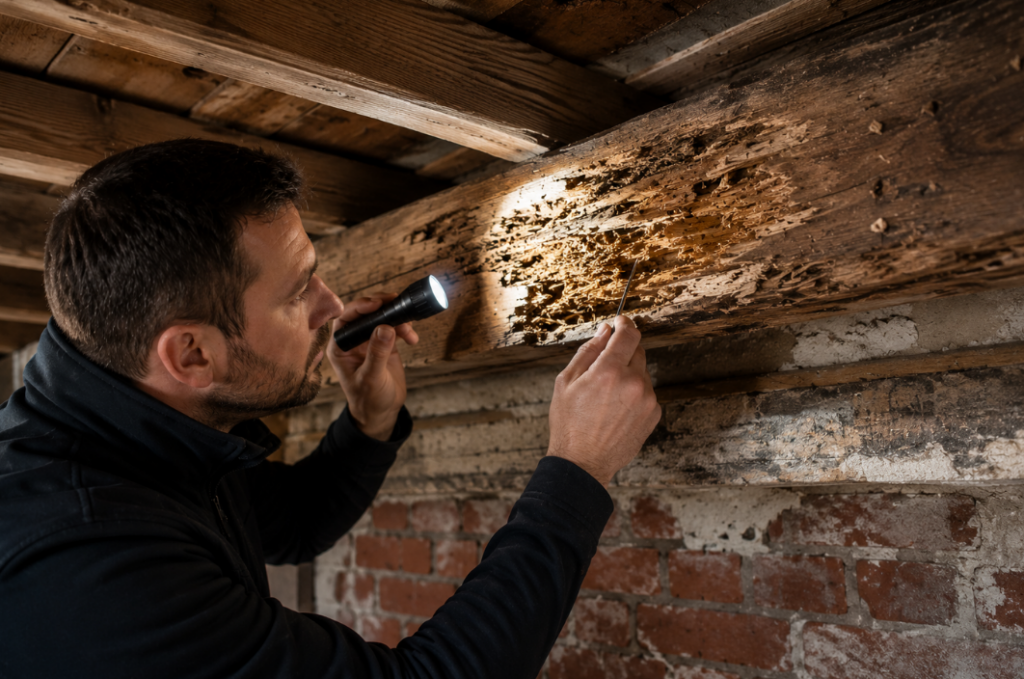
- Woodworm and timber pest identification
- Structural timber integrity checks
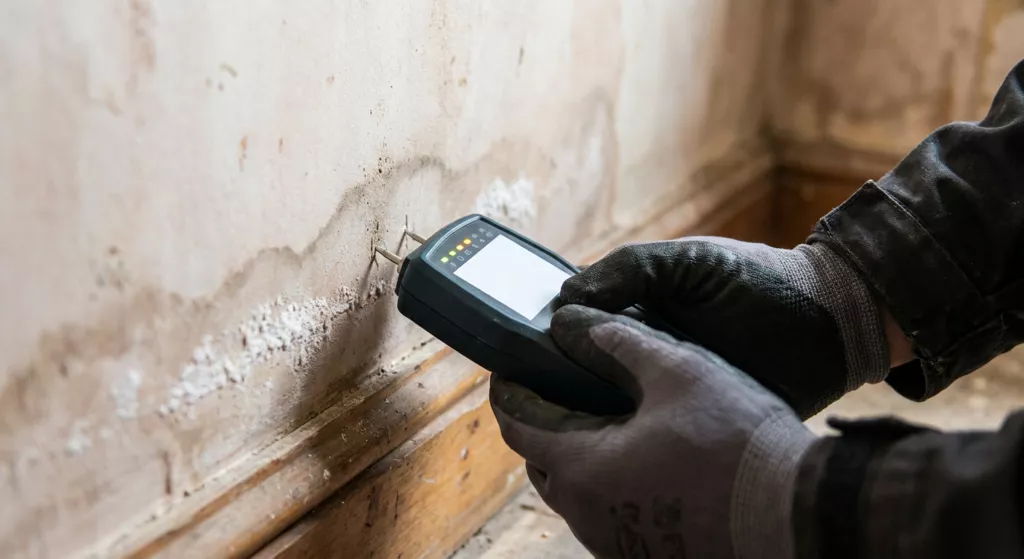
- Damp and moisture source investigation
- Sub-floor timber and joist inspection
- Roof timber and loft structure assessment
- Internal and external timber surveys
- Identification of timber decay and deterioration
- Professional recommendations and remedial solutions
- Detailed survey findings and advice
Why Timber Surveys Matter
Timber is a vital structural component of many homes, but it can be vulnerable to moisture, fungal decay, and wood-boring insects if problems go unnoticed.
A professional timber survey helps identify issues such as wet rot, dry rot, woodworm infestations, and timber deterioration before they develop into more serious and costly repairs. Early detection can help protect your property’s structural integrity, maintain its value, and provide long-term peace of mind.
What Happens If Timber Problems Go Undetected?
Persistent moisture can cause timber to weaken and decay, affecting floors, skirting boards, roof timbers and structural elements.
Dry rot can spread through timber and masonry, causing extensive damage if not identified and treated early.
Wood-boring insects can weaken timber structures over time, leading to costly repairs and replacement work.
Damaged or decaying timber may compromise the stability and safety of parts of your property.
Minor timber defects are often inexpensive to address. Left untreated, they can develop into major repair projects.
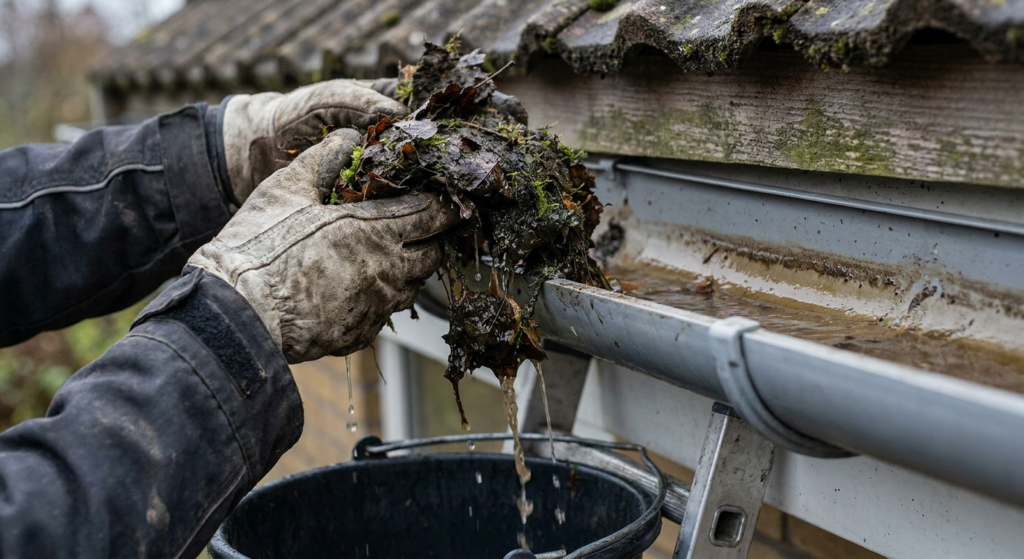
Excess moisture creates ideal conditions for timber decay and fungal growth throughout the property.
Visible timber defects and unresolved survey findings can negatively affect property valuations and buyer confidence.
Timber decay and damp-related issues can contribute to poor indoor conditions and unpleasant odours within the home.
What Is the Timber Survey Process?
Our team arranges a convenient appointment at your property with one of our experienced timber surveyors.
We carry out a detailed assessment of accessible timber throughout the property, checking for signs of decay, damp-related damage, woodworm activity and structural concerns.
You'll receive clear findings outlining any issues identified, along with practical recommendations for remedial action where required.
Our team will explain the results of your survey and discuss the most suitable treatment and repair options to help protect your property.
Benefits of a Professional Timber Survey
Early Detection of Timber Problems: Identify issues such as wet rot, dry rot and woodworm before they develop into costly repairs.
Protect Your Property’s Structure: Assess the condition of structural timbers and address potential weaknesses before they worsen.
Identify Damp-Related Damage: Discover moisture issues that may be affecting timber throughout your home.
Greater Peace of Mind: Gain a clear understanding of your property’s condition with professional advice from experienced surveyors.
Maintain Property Value: Addressing timber defects early can help preserve your home’s value and appeal to future buyers.
Book Your FREE Survey
Book your FREE insulation survey today with Home Energy Save GB and start saving energy, improving comfort and protecting your property for the future.
Frequently Asked Questions
What is a timber survey?
A timber survey is a detailed inspection carried out by a qualified surveyor to assess the condition of timber within a property. The survey is designed to identify issues such as wet rot, dry rot, woodworm infestations, fungal decay, moisture-related damage and structural timber defects. It provides homeowners with a clear understanding of any existing problems and recommendations for remedial action where required.
When should I arrange a timber survey?
A timber survey is recommended if you have noticed signs of damp, timber deterioration, musty odours, sagging floors, damaged skirting boards, or evidence of wood-boring insects. It can also be beneficial when purchasing a property, renovating a home, or investigating recurring moisture problems that may be affecting timber structures.
What does a timber survey include?
Our timber surveys involve a thorough inspection of accessible timber throughout the property. This may include roof timbers, loft spaces, floor joists, timber floors, skirting boards, door frames, window frames and other structural timber elements. Surveyors assess the condition of the timber, identify any defects and investigate potential causes of damage, such as excess moisture or poor ventilation.
How long does a timber survey take?
The length of a timber survey will vary depending on the size, age and condition of the property. In most cases, surveys are completed within one to three hours. Larger properties or homes with extensive timber concerns may require additional time to complete a comprehensive inspection.
What are the common signs of timber decay?
Signs of timber decay can include soft or spongy wood, cracking, crumbling timber, fungal growth, discolouration, musty odours, sagging floors, damaged skirting boards and visible deterioration around windows, doors or roof structures. In many cases, damage may not be immediately visible, making a professional inspection valuable.
What is the difference between wet rot and dry rot?
Wet rot occurs when timber is exposed to high levels of moisture over an extended period, causing it to weaken and decay. Dry rot is a more serious form of fungal decay that can spread through timber and masonry, often causing significant structural damage if left untreated. A professional survey can identify both conditions and determine the most appropriate treatment.
Can a timber survey identify woodworm?
Yes. Timber surveys are designed to identify evidence of wood-boring insects, commonly referred to as woodworm. Surveyors look for signs such as small exit holes, bore dust, weakened timber and other indicators of current or historic infestations. Where active infestations are identified, recommendations for treatment will be provided.
Will I receive a report after the survey?
Yes. Following the survey, you will receive a detailed report outlining the findings of the inspection. The report will explain any timber defects identified, the likely causes of the issues, and recommendations for treatment, repairs or further investigation where necessary.
Why is early detection important?
Early detection allows timber defects to be addressed before they become more serious and expensive to repair. Small issues such as minor moisture ingress or localised decay can often be resolved quickly, whereas untreated timber damage may spread and affect larger structural areas of the property over time.
Do I need a timber survey when buying a property?
A timber survey can provide valuable peace of mind when purchasing a property, particularly older homes or properties with signs of dampness. The survey can uncover hidden timber defects that may not be identified during a standard property survey, helping buyers make informed decisions before completing a purchase.
What happens if problems are found?
If defects are identified, our surveyors will explain the findings and provide practical recommendations for resolving the issues. Depending on the nature of the problem, this may involve timber treatment, damp-proofing measures, repairs, replacement of damaged timber or further specialist investigation.
Can timber problems affect the value of my property?
Yes. Significant timber defects, untreated rot, woodworm infestations and structural timber damage can negatively affect a property’s value and may raise concerns for potential buyers, surveyors and mortgage lenders. Addressing problems early can help maintain the condition and market value of your home.
Are timber surveys only for older properties?
No. Although timber defects are more common in older buildings, newer properties can also experience timber-related issues caused by leaks, poor ventilation, condensation, construction defects or pest infestations. A timber survey can be beneficial for properties of any age where concerns exist.
How can I book a timber survey?
Booking a timber survey is simple. Contact Home Energy Save GB and our team will arrange a convenient appointment with one of our experienced surveyors. We’ll assess your property, provide a detailed report and help you understand any next steps required to protect your home.