
Not all damp-proofing treatments are designed for the same conditions. In many properties, especially older homes with saturated masonry or previous repair history, long-term results depend on far more than simply injecting a cream into the wall.
At Home Energy Save GB, we repeatedly encountered homeowners who had already paid for damp treatment and redecorated their homes, only for staining, damaged plaster or mould to return months later. In many cases, the issue was not the presence of moisture alone. The wider treatment process had failed to account for wall condition, hidden contamination, or how moisture continued to behave inside the structure.
That experience led us to develop DPC Plus as a broader damp and mould-management system rather than simply another injection product.
During a 12-month internal comparison analysis, we found many traditional DPC creams operated at roughly 20% silane and siloxane concentration, while DPC Plus was developed using a 60% formulation intended for more demanding masonry conditions.
The goal was practical. We wanted a treatment approach better suited to properties where previous damp work had not delivered lasting results.
For homeowners researching reliable damp proofing services, understanding how treatment quality, diagnosis and installation methods affect long-term performance can help avoid repeat repair costs.
Why Some Damp-Proofing Treatments Fail Over Time
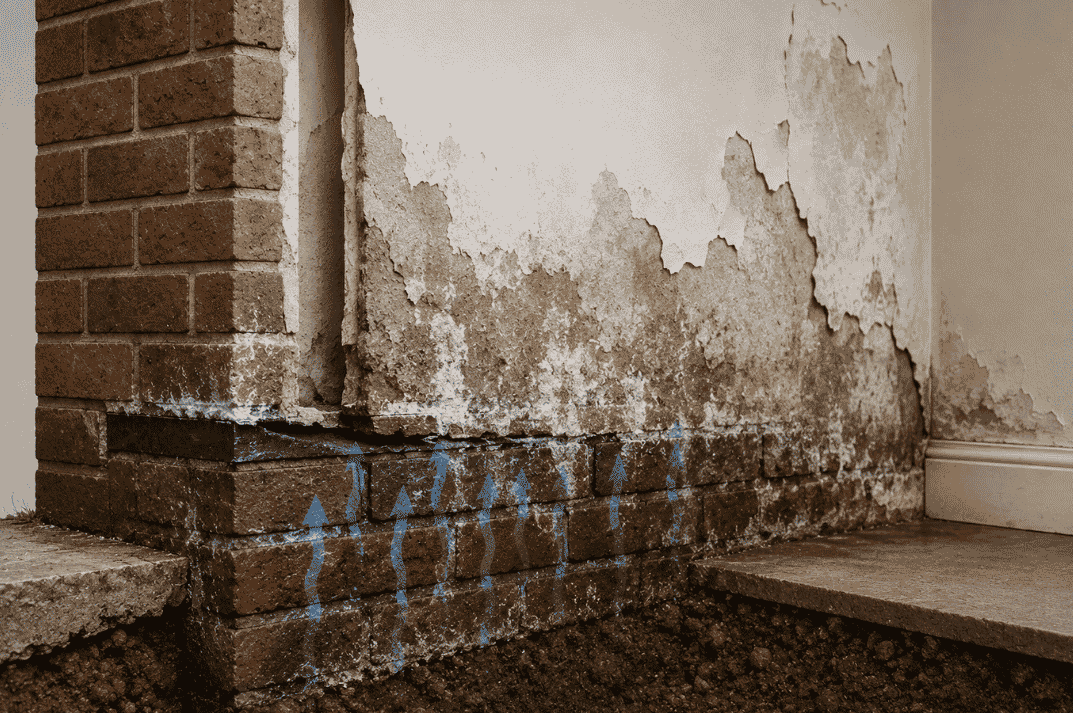
Some damp-proofing treatments fail because moisture problems are not always as straightforward as they first appear.
We regularly assess homes where damp treatment initially seemed successful, only for plaster deterioration, staining or mould growth to return after refurbishment work had already been completed.
In our experience, recurring moisture issues are commonly linked to:
- incomplete diagnosis,
- inconsistent treatment penetration,
- weakened mortar joints,
- untreated external defects,
- or hidden moisture trapped within the wall structure.
Many properties also contain decades of previous repairs, varying masonry density and long-term saturation, all of which can affect how reliably a treatment disperses and performs.
We also identified cases where mould contamination behind skirting boards and wall edges was disturbed during treatment and reinstatement work, contributing to problems returning later.
This is why successful damp treatment depends as much on diagnosis and installation quality as it does on the product itself.
How Traditional DPC Creams Work
Traditional damp-proof creams work by creating a moisture-resistant barrier inside masonry walls to help reduce water travelling upward through brick and mortar.
The process usually involves drilling a line of holes into the mortar bed near the base of the wall before injecting the cream into the masonry. Once absorbed, the treatment spreads through the wall structure and forms a barrier intended to slow upward moisture movement.
Traditional systems are commonly used in:
- homes with failed damp proof courses,
- walls showing visible signs of rising damp,
- properties with damaged plaster near floor level,
- and remedial damp treatment following surveys.
In suitable conditions, many standard DPC creams can perform effectively. However, performance often depends on:
- wall saturation,
- mortar condition,
- installation quality,
- and how evenly the treatment distributes through the masonry.
In heavily saturated or inconsistent walls, we found some standard systems struggled to achieve reliable coverage across the full structure.
This is one reason damp-proofing should never be treated as a one-size-fits-all process.
Why Home Energy Save GB Developed DPC Plus
Home Energy Save GB developed DPC Plus after repeatedly seeing the same frustrations in properties that had already undergone damp treatment elsewhere.
Over a 12-month internal review, we assessed recurring moisture issues, mould complaints, and repeat repair work linked to the problems not support by traditional damp-proof creams.
Several patterns emerged consistently:
- damp returning after redecoration,
- mould reappearing around skirting-board areas,
- incomplete treatment performance in weakened masonry,
- and properties requiring repeated plastering work despite previous treatment.
We also found that some traditional creams relied heavily on the injection stage itself while paying less attention to reinstatement procedures, hidden contamination and long-term moisture behaviour inside the wall.
This shaped how DPC Plus was developed.
Rather than creating another standard damp cream, we built a broader treatment methodology designed around:
- challenging masonry conditions,
- recurring moisture prevention,
- mould-management considerations,
- and long-term wall performance.
For us, the objective was simple. We wanted a system better suited to the practical realities we repeatedly encountered during damp treatment work.
What Makes DPC Plus Different?
DPC Plus was developed as a system-led treatment approach rather than simply another injection product.
Our experience showed that long-term damp performance is influenced by more than moisture resistance alone. Wall condition, reinstatement quality, trapped moisture and hidden mould contamination can all affect whether a treatment continues performing over time.
This shaped both the formulation and the wider methodology behind DPC Plus.
The system was designed around:
- stronger moisture resistance,
- difficult masonry conditions,
- mould-management planning,
- reinstatement considerations,
- and long-term treatment durability.
Rather than focusing only on injection work, the wider approach also considers:
- hidden moisture retention,
- skirting-board reinstatement,
- external moisture sources,
- and how walls behave after treatment has been completed.
Mould Spores and Hidden Recurrence Risks
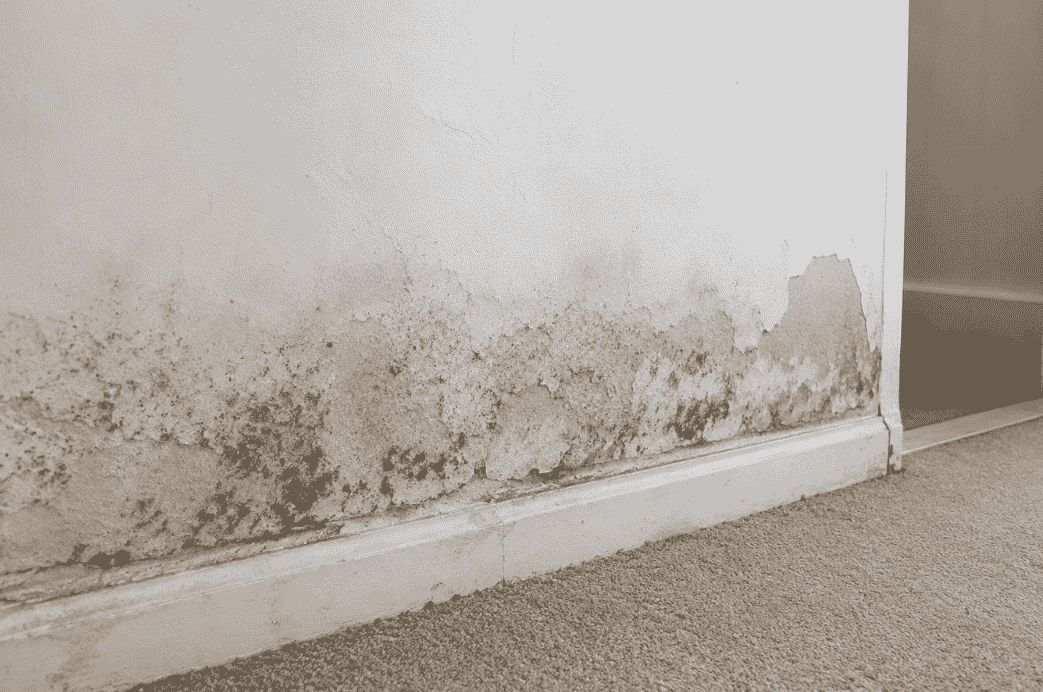
One of the less visible issues we identified during damp treatment work involved mould contamination hidden behind skirting boards and wall finishes.
In some properties, removing skirting boards disturbed dormant mould spores concealed behind timber edges and plaster lines. If those areas were not properly addressed during reinstatement work, mould could later return despite the original damp treatment appearing successful.
This is one reason DPC Plus was developed with mould-management considerations integrated into the wider treatment process.
Why Older UK Properties Need Different Consideration
Older homes often behave very differently from modern cavity-wall construction.
Solid walls, ageing mortar, uneven masonry density and decades of moisture exposure can all affect how damp treatments disperse through the structure and perform long-term.
In our experience, these conditions place greater strain on lower-grade treatments, particularly where mortar integrity has weakened over time.
This is why older properties usually require:
- more detailed surveys,
- broader moisture diagnosis,
- and treatment recommendations based on actual wall condition rather than standardised injection work alone.
Key Differences Between DPC Plus and Traditional DPC Creams
The biggest differences between DPC Plus and traditional damp-proof creams relate to treatment philosophy, moisture management and long-term performance planning.
| Traditional DPC Creams | DPC Plus | |
| Main focus | Standard injection barrier | Broader damp and mould-management system |
| Treatment approach | Injection-led | System-led methodology |
| Older masonry suitability | Depends heavily on wall condition | Developed for challenging masonry |
| Mould considerations | Often treated separately | Integrated into wider treatment process |
| Reinstatement planning | Standard repair approach | Additional moisture and mould considerations |
| Long-term strategy | Product dependent | Focused on recurring moisture prevention |
For many homeowners, the difference is not simply choosing a stronger product.
It is choosing a treatment approach designed around:
- property condition,
- moisture behaviour,
- mould recurrence risk,
- and long-term performance rather than short-term cosmetic improvement.
Why More Homeowners Are Choosing System-Based Damp Solutions
Many homeowners now prioritise long-term reassurance and proper diagnosis over simply choosing the cheapest damp treatment available.
We regularly speak with homeowners who have already paid for repeated plaster repairs, mould cleaning or redecoration after previous damp work failed to prevent moisture returning.
There is also growing awareness that:
- rising damp rarely exists in isolation,
- mould problems often involve multiple causes,
- and poor diagnosis can lead to ineffective treatment recommendations.
As a result, more homeowners now prefer damp specialists who assess:
- wall condition,
- moisture saturation,
- ventilation,
- external defects,
- and hidden contamination risks before recommending treatment.
A professional damp survey can help identify whether moisture problems stem from rising damp, condensation, penetrating moisture or a combination of issues.
Final Thoughts on DPC Plus over Traditional DPC Creams
The right damp-proofing approach depends on the property condition, the source of the moisture problem and the quality of the diagnosis behind the treatment recommendation.
Traditional damp-proof creams may be suitable in certain situations. However, in our experience, some properties require a broader and more durable treatment approach than standard injection work alone.
That is why we developed DPC Plus as a damp and mould-management system informed by recurring treatment failures, masonry behaviour and long-term moisture considerations.
We believe homeowners benefit most when damp treatment focuses not only on visible symptoms, but also on the wider conditions allowing moisture and mould problems to return over time.
If damp problems continue returning within your property, a more detailed assessment may be needed before additional work takes place.
Contact us today at Home Energy Save GB for more about your damp-proofing needs, for more information about DPC Plus, general practical advice or for a professional damp assessment.
Frequently Asked Questions
Are all DPC creams the same?
No. Damp-proof creams can vary significantly in formulation, moisture resistance and intended application. Performance can also vary depending on masonry condition, saturation levels and installation quality.
Why do some damp treatments fail?
Damp treatments often fail because the wider moisture issue was not fully addressed. Wall condition, hidden moisture, poor ventilation and incomplete diagnosis can all contribute to problems returning later.
Is DPC Plus a standard damp-proof cream?
No. We developed DPC Plus as a broader damp and mould-management system informed by recurring treatment issues and long-term moisture behaviour observed during damp work.
Can rising damp return after treatment?
Yes. Damp can sometimes return if external moisture sources remain unresolved or if the original treatment approach did not fully address the wall condition and wider moisture behaviour.
Why does mould sometimes return after damp work?
Mould can return if hidden contamination, trapped moisture or poor airflow remain present after treatment and reinstatement work has been completed.
Is DPC Plus suitable for older homes?
Yes. DPC Plus was specifically developed for more challenging masonry conditions commonly found in older UK properties.
