
Persistent mould can feel never-ending, yet many homeowners find it returns even after repeated cleaning attempts. Marks fade for a short time, yet patches reappear across the same surfaces or spread into new areas. This pattern creates doubt around which approach will hold up long term.
Clouding presents a professional option that goes further than surface-level cleaning, offering wider coverage across a room rather than focusing on isolated spots. It supports removal beyond what can be seen, addressing conditions that allow mould to return.
Our guide breaks down the benefits of clouding in clear terms, helping you weigh up whether it suits your situation.
It sets out what clouding can achieve, where it fits within a full treatment plan, and why correct diagnosis still shapes the outcome, with professional insight from providers like Home Energy Save GB helping shape the right approach early on
Reaches Areas That Standard Cleaning Can Miss
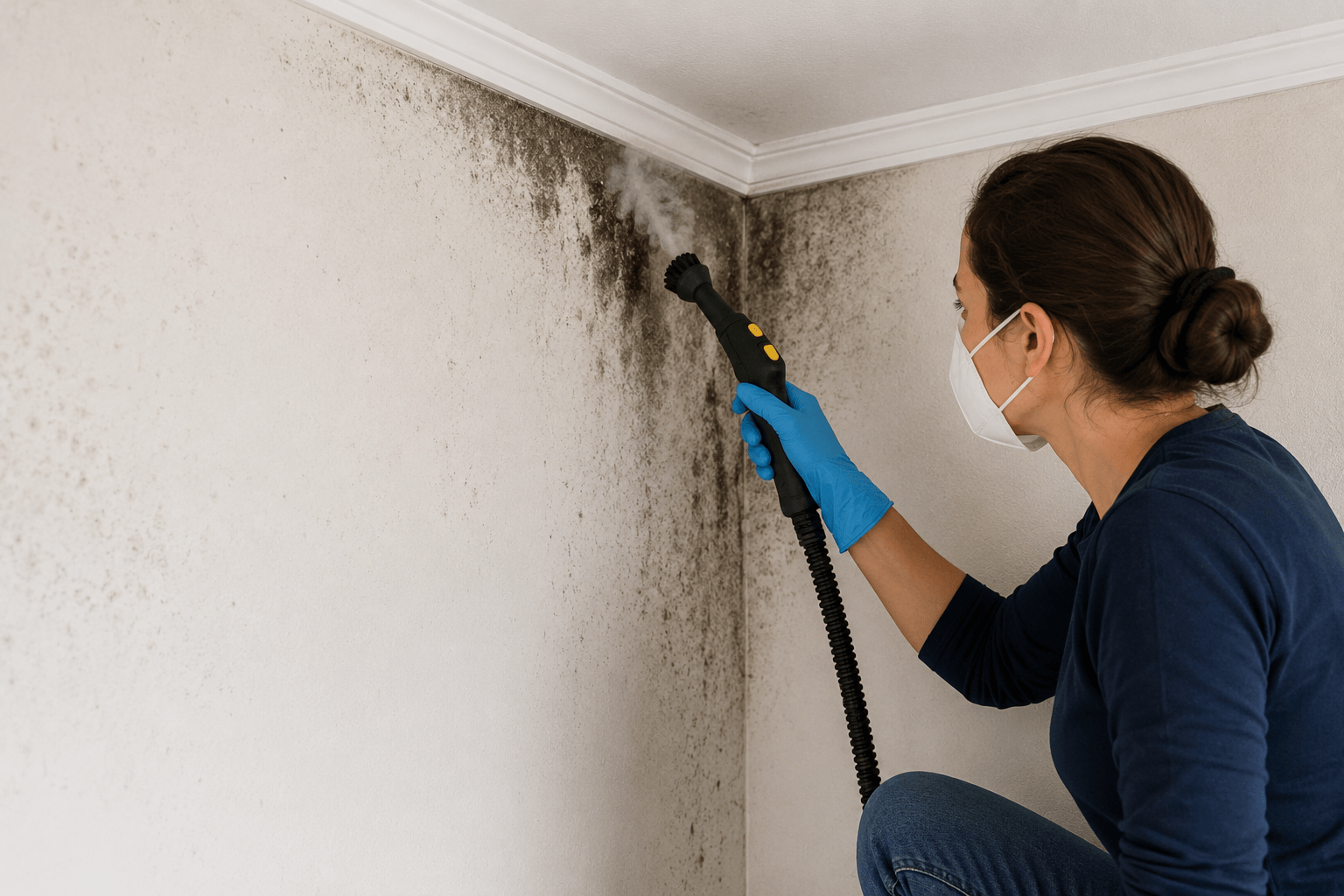
Wiping and scrubbing can deal with visible patches, yet these methods tend to focus on reachable surfaces only. Edges and less visible zones remain untreated, allowing mould to settle again across those untouched areas.
Common missed spots include:
- Behind furniture placed against external walls
- Ceiling corners where condensation gathers
- Wall edges and junctions near skirting boards
Clouding distributes treatment evenly across a space, covering surfaces that manual cleaning cannot fully reach. A fine mist settles across walls, ceilings and hidden sections, forming a consistent layer of protection.
Missed areas create a cycle where mould reappears after cleaning, which can lead to repeated effort without lasting results. A broader application helps reduce this pattern by addressing the full surface area rather than isolated sections.
Targets Airborne Mould Spores as Well as Surface Contamination
Mould spreads through microscopic spores that move through the air and settle on new surfaces. These spores remain present even after visible patches have been removed, which explains why growth can return without warning.
Surface cleaning focuses on what can be seen, yet airborne particles remain active within the room. These particles settle again when conditions allow, restarting the growth cycle across walls, ceilings or furnishings.
Clouding supports airborne mould treatment by dispersing a fine solution throughout the airspace as well as across surfaces. This approach helps reduce the presence of spores within the environment, limiting the chance of immediate recontamination.
Compared with basic cleaning, which deals with surface-level growth only, mould removal clouding addresses both visible areas and the wider environment, creating a more complete treatment outcome.
Supports a More Thorough Property-Wide Treatment
Treating a single patch may improve appearance for a short period, yet mould rarely remains confined to one isolated area. Conditions that allow growth tend to affect multiple surfaces within the same room or across adjoining spaces, a level of coverage often achieved through structured treatments carried out by specialists such as Home Energy Save GB.
Clouding allows treatment to extend across an entire room, creating consistent coverage rather than patch-by-patch application. This broader reach supports a more balanced approach, where all affected surfaces receive attention at the same time.
Isolated fixes can leave untreated sections nearby, which then act as a source for future spread. This leads to recurring issues, even after visible areas have been cleaned repeatedly.
For homeowners exploring mould removal, a property-wide method can provide greater confidence in the outcome, reducing the chance of uneven treatment and repeat growth.
Helps Create a Healthier Indoor Environment
Mould presence can affect how a home feels day to day, especially within rooms where air circulation remains limited. Affected spaces may feel heavier, less comfortable, and harder to manage during colder months.
Reducing mould across surfaces and within the air contributes to improved indoor conditions. Breathing comfort may feel more stable, and the overall environment can feel cleaner and easier to maintain.
This improvement links closely with indoor air quality, which plays a role in how comfortable a property feels across different seasons. A well-treated space supports a more balanced living environment without relying on repeated short-term cleaning.
Clouding forms part of this improvement by addressing both visible contamination and airborne presence, helping restore a more consistent indoor atmosphere.
Works Well Alongside Wider Damp and Mould Solutions
Clouding performs best as part of a wider treatment plan rather than as a standalone fix. Mould growth links closely with underlying factors that must be addressed to achieve lasting results.
These factors include:
- Excess moisture within the property
- Limited ventilation in key areas
- Insulation gaps that allow cold surfaces to form
Without tackling these conditions, mould can return even after professional treatment. Clouding supports removal and environmental control, yet long-term prevention depends on resolving the root cause.
A combined approach sets a clearer path forward, where treatment, ventilation improvements and insulation upgrades work together. This reduces reliance on repeated cleaning and helps prevent mould from coming back over time.
When Clouding Is the Right Choice for Mould Removal
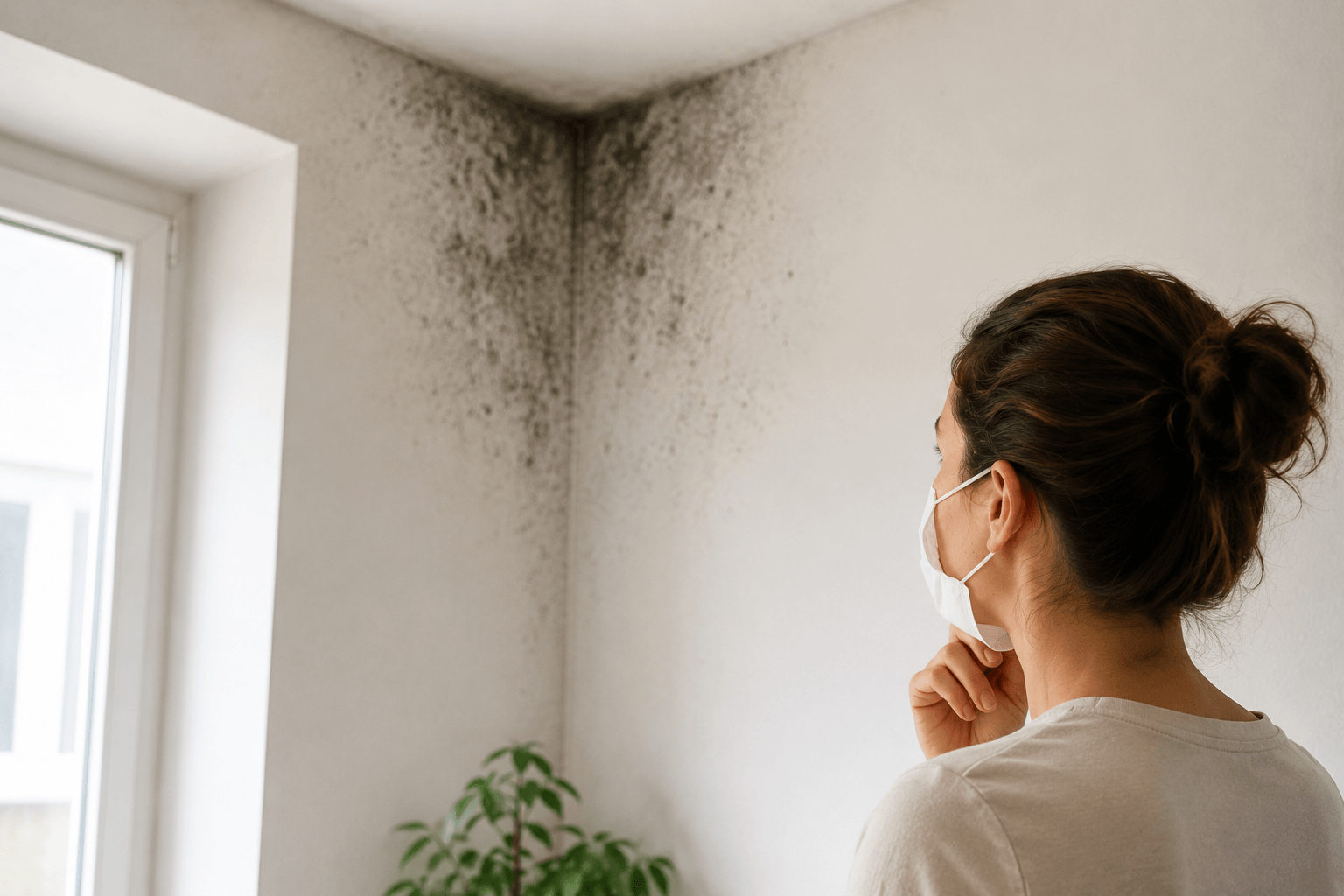
Clouding suits situations where mould appears across multiple areas rather than a single isolated patch. It can support treatment where growth spreads across walls, ceilings or corners within the same room.
It may be appropriate for:
- Surface mould present across several sections of a room
- Mild to moderate infestations that have not caused structural damage
- Preventative treatment following initial removal work
Suitability depends on the condition of the property and the underlying cause of the issue. In some cases, additional measures may be required alongside clouding to achieve the desired result.
A balanced assessment helps determine whether clouding offers the right level of coverage or whether a more targeted or structural solution is needed.
Why Professional Assessment Matters Before Treatment Begins
Incorrect treatment can lead to ongoing problems, with mould returning despite repeated effort and expense. Applying the wrong solution may deal with visible signs temporarily, yet the root cause remains active within the property.
A professional assessment identifies the source of moisture, the extent of contamination and the most effective treatment approach. This removes uncertainty and helps avoid spending on solutions that fail to deliver long-term results, something typically identified through detailed surveys carried out by Home Energy Save GB.
There is no single method that suits every property. Each case varies based on layout, ventilation, insulation and existing damage. A tailored recommendation provides clarity, helping you move forward with confidence.
For homeowners ready to act, the next step is to book a mould survey with us, allowing a detailed inspection to guide the most suitable treatment plan.
