
Improving your EPC rating starts with understanding where your property loses energy and which upgrades are likely to make the biggest difference. While every home is different, improvements to insulation, heating systems, ventilation and moisture control frequently form the foundation of better energy performance.
At Home Energy Save GB, we regularly assess properties where heat loss is being driven not by one major issue, but by a combination of insulation gaps, ventilation problems and hidden moisture.
Many homeowners begin researching EPC rating improvements before selling, renting or renovating. Others want a more comfortable property with fewer cold spots and better thermal performance throughout the year. The key is prioritising upgrades that address the specific characteristics of your home rather than chasing every available improvement.
This guide explains the most effective ways to improve your home’s Energy Performance Certificate (EPC) rating and why these measures matter.
Upgrade Loft Insulation to Reduce Heat Loss
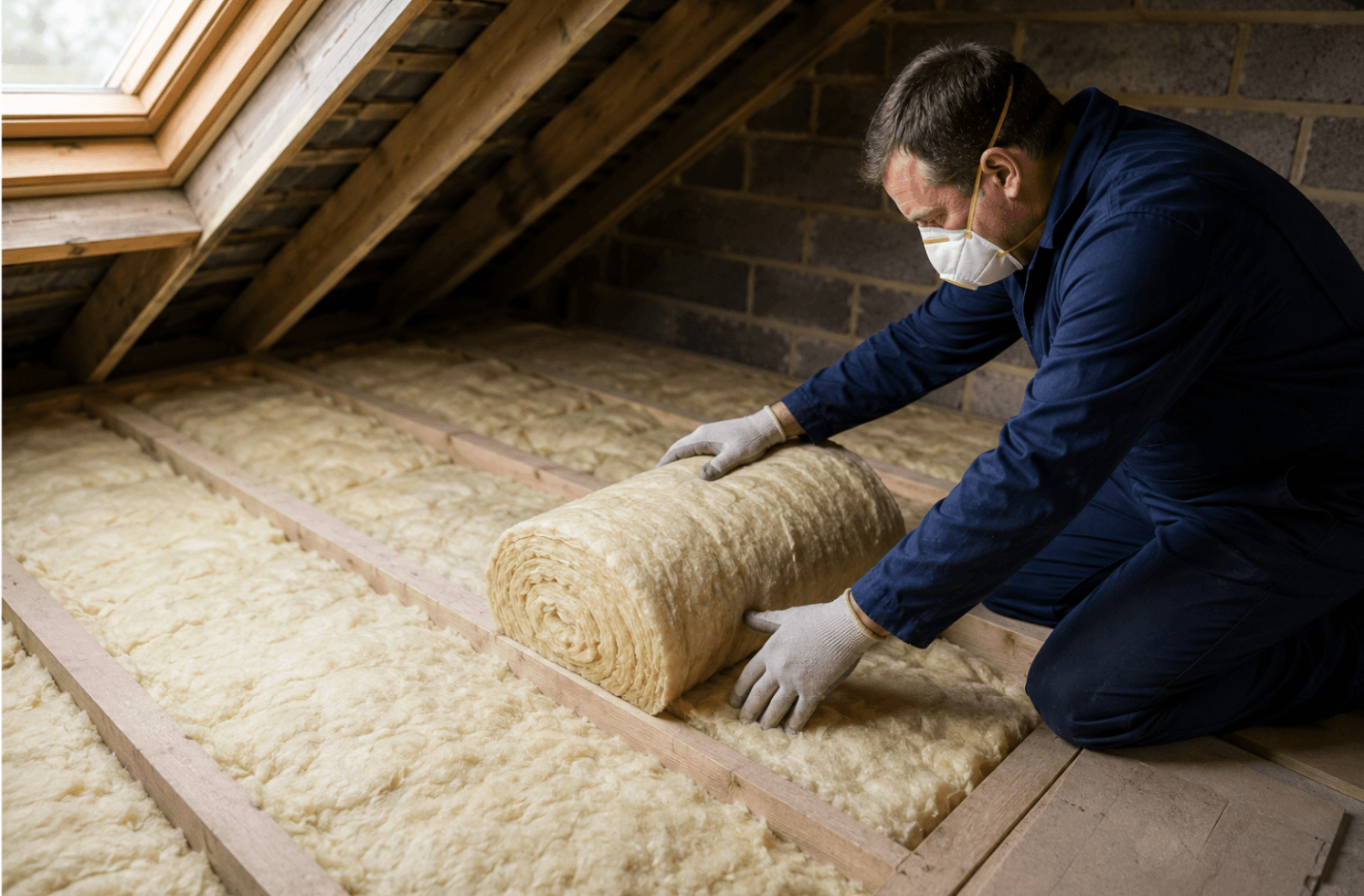
Loft insulation helps reduce heat escaping through the roof, improving thermal efficiency and potentially supporting a better EPC rating.
Warm air naturally rises. Without adequate insulation in the loft space, valuable heat can escape through the roof, increasing the demand placed on the heating system.
This is one reason loft insulation appears regularly in EPC recommendations. It can provide a significant improvement in thermal performance without requiring major structural alterations.
Older properties may contain insulation that has deteriorated, become compressed or no longer meets current recommendations. In these cases, upgrading insulation levels can help improve heat retention and create more consistent indoor temperatures.
Benefits of improving loft insulation include:
- Reduced heat loss through the roof
- Improved thermal comfort
- Better temperature stability throughout the home
- Reduced reliance on heating systems
For homeowners reviewing their property’s energy performance, investing in loft insulation is frequently one of the first areas worth investigating.
Improve Wall Insulation Throughout the Property
Wall insulation can significantly improve a property’s ability to retain heat, particularly in older homes with poor thermal performance.
Many homeowners focus on windows and heating systems while overlooking the amount of heat lost through external walls.
The most suitable solution depends on the property’s construction.
| Property Type | Potential Insulation Option |
| Modern cavity wall property | Cavity wall insulation |
| Solid wall property | Internal or external wall insulation |
| Property with insulation defects | Assessment and remedial improvements |
Homes built before modern efficiency standards may have little insulation within the wall structure. This can contribute to cold internal surfaces, uneven temperatures and increased heating demand.
Improving wall insulation can help create a warmer internal environment while supporting broader EPC rating improvements.
Homeowners seeking property-wide upgrades may benefit from exploring home insulation solutions as part of a long-term energy-efficiency strategy.
Replace Old Boilers With More Efficient Heating Systems
Heating systems play a major role in EPC assessments because inefficient boilers frequently increase energy consumption.
Even a well-insulated property can struggle to perform efficiently if the heating system is outdated.
Older boilers may require more energy to produce the same level of heating performance achieved by modern alternatives. EPC assessments take heating efficiency into account because it influences overall energy demand.
Areas worth reviewing include:
- Boiler age and condition
- Heating controls
- Thermostat performance
- Distribution efficiency throughout the property
A heating upgrade does not automatically guarantee a higher EPC score. The greatest benefits are usually achieved when heating improvements are combined with measures that reduce heat loss elsewhere in the property.
Seal Draughts Around Doors and Windows
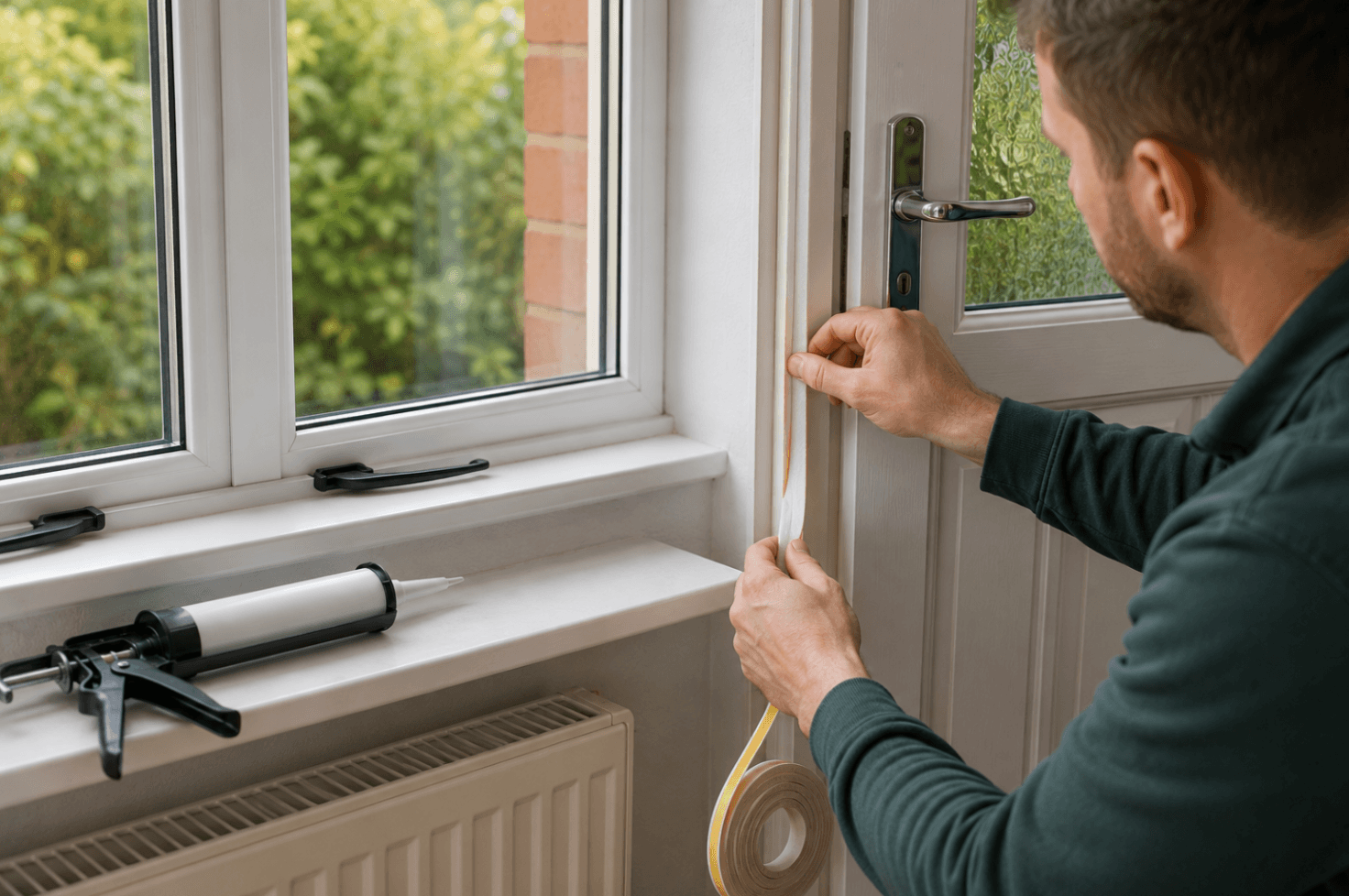
Reducing draughts helps minimise unnecessary heat loss and can improve indoor comfort during colder months.
Small gaps around doors, windows and service penetrations allow warm air to escape while drawing colder air into the property.
Common draught-prone areas include:
- External doors
- Window frames
- Letterboxes
- Loft hatches
- Pipe entry points
- Floorboard gaps
Addressing air leakage can help improve comfort levels, particularly in older homes where draughts contribute to uneven room temperatures.
While draught proofing alone is unlikely to transform an EPC rating, it complements larger improvements by helping the property retain heat more effectively.
Upgrade to Double or Triple Glazing
Efficient glazing helps reduce heat transfer through windows and can improve overall thermal performance.
Windows remain one of the weaker points in a property’s thermal envelope. Older single-glazed units allow greater heat transfer than modern alternatives.
Upgrading glazing may help:
- Reduce heat loss
- Improve comfort near windows
- Minimise cold draughts
- Lower condensation risk on glass surfaces
- Reduce external noise intrusion
Double glazing is suitable for many properties. Triple glazing may offer additional thermal benefits in certain circumstances, though it is not automatically necessary for every home.
The most appropriate option depends on property type, budget and wider energy-efficiency objectives.
Switch to Energy Efficient Lighting
Energy-efficient lighting upgrades are a relatively simple way to improve household energy performance.
Lighting contributes to the overall EPC calculation. Replacing older bulbs with LED alternatives can reduce electricity consumption across the property.
Advantages include:
- Lower energy demand for lighting
- Longer bulb lifespan
- Reduced maintenance requirements
- Property-wide efficiency improvements
This measure is unlikely to produce a dramatic EPC improvement on its own. However, it represents an accessible upgrade that supports broader energy-efficiency efforts.
Install Smart Heating Controls and Thermostats
Smart heating controls can help manage energy use more efficiently by improving temperature control throughout the home.
Heating systems perform best when energy is delivered where and when it is required.
Modern controls may include:
- Programmable thermostats
- Zoned heating controls
- Smart scheduling systems
- Individual room temperature management
Improved control can reduce unnecessary heating demand while helping maintain comfortable indoor conditions.
For many homeowners, heating controls represent a practical middle-ground improvement that sits between minor upgrades and larger investment projects.
Reduce Damp and Excess Moisture in the Home
Damp and excess moisture can reduce a property’s thermal efficiency by affecting insulation performance and increasing heat loss.
This area is frequently overlooked in EPC discussions. Home Energy Save GB often finds that unresolved damp issues are quietly undermining otherwise effective insulation and heating upgrades.
When walls, insulation materials or building elements become affected by moisture, their ability to resist heat transfer may be reduced. Damp surfaces can also feel colder, leading occupants to increase heating usage.
Common moisture-related issues include:
- Condensation
- Rising damp
- Penetrating damp
- Persistent humidity problems
- Poorly ventilated spaces
Addressing moisture problems is not solely about protecting decorative finishes. It can also support thermal performance and improve internal comfort.
Homeowners interested in understanding the relationship between damp and energy efficiency should consider how moisture affects the building fabric as a whole.
Where damp problems are identified, professional damp proofing solutions may form part of a wider property improvement plan.
Improve Ventilation Without Losing Heat
Good ventilation helps control moisture levels while maintaining healthier indoor air quality and energy efficiency.
Ventilation and energy performance should not be viewed as competing priorities.
A poorly ventilated property may experience elevated humidity levels, condensation and mould growth. These issues can contribute to building deterioration and affect thermal performance.
Effective ventilation strategies may include:
- Extractor fans in kitchens and bathrooms
- Improved airflow pathways
- Roof-space ventilation improvements
- Purpose-designed ventilation systems
The objective is to achieve balanced airflow while limiting unnecessary heat loss.
For properties experiencing recurring condensation issues, Positive Input Ventilation (PIV) units may be considered as part of a moisture-management strategy.
Use Renewable Energy Solutions Where Possible
Renewable energy systems may help improve energy efficiency and reduce reliance on traditional heating methods.
Renewable technologies can contribute positively to EPC assessments where they are appropriate for the property.
Examples include:
- Solar photovoltaic panels
- Air source heat pumps
- Ground source heat pumps
- Other low-carbon technologies
Suitability depends on factors such as property type, location, insulation standards and existing heating arrangements.
Renewable systems should normally be considered within the context of the whole property. Improving insulation and reducing heat loss first can help maximise the effectiveness of subsequent upgrades.
Upgrade Old Appliances to More Efficient Models
Modern energy-efficient appliances can contribute to lower overall household energy consumption.
While appliances are not usually the primary driver of EPC improvements, inefficient equipment can increase electricity usage throughout the property.
When replacing household appliances, consider:
- Energy labels
- Running efficiency
- Product age
- Expected lifespan
Upgrading appliances is generally most effective when incorporated into a wider programme of energy-efficiency improvements.
Book a Professional Energy Assessment for Your Home
A professional energy assessment can help identify which improvements are most likely to benefit your property.
No two homes perform in the same way, which is why Home Energy Save GB approaches property assessments by looking at insulation, moisture behaviour, ventilation and overall building performance together.
A Victorian terrace, a post-war semi-detached house and a modern detached property may all require different approaches to improve EPC performance.
A professional assessment can help identify:
- Areas of significant heat loss
- Insulation opportunities
- Moisture-related concerns
- Ventilation requirements
- Heating-system considerations
- Priority improvements
Rather than investing in upgrades based on assumptions, homeowners can use professional advice to build a practical improvement plan tailored to the property’s construction and condition.
If your goal is to improve EPC rating performance, start by addressing the areas that have the greatest influence on heat retention and energy use. Loft insulation, wall insulation, heating efficiency and moisture control typically provide the strongest foundations for long-term improvement.
It is equally important to consider ventilation, glazing, heating controls and the overall condition of the building. Properties affected by damp, poor insulation or unmanaged heat loss may struggle to achieve their full energy-performance potential.
The most effective EPC rating improvements are those based on the specific needs of the property. A professional assessment can help prioritise upgrades, avoid unnecessary expenditure and create a clearer path towards a more comfortable and energy-efficient home.
If you are planning renovations, preparing for a sale or looking to improve home energy efficiency, a whole house insulation assessment from Home Energy Save GB can help identify improvements that may benefit your property.
